Terribas returns to attack Opus Dei
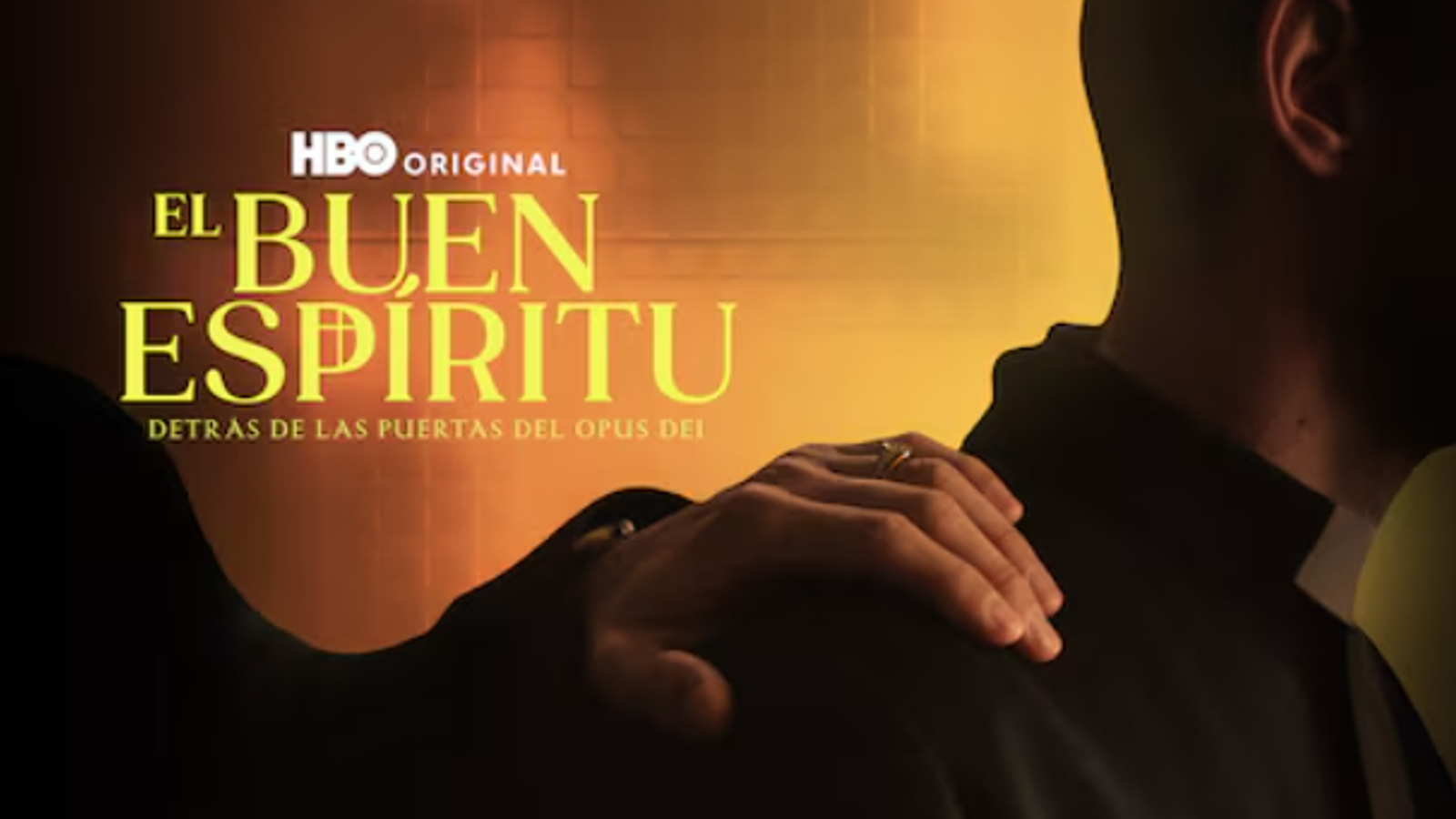

After El minuto heroico, the documentary series that denounced the abuses of Opus Dei against the women who were part of the organization, now Mònica Terribas repeats the exercise with the men in El buen espíritu (HBO Max). This second production is, in large part, a consequence of the first. At the beginning, some of the witnesses refer to the impact that listening to it had on them. The good spirit works, formally, in the same way. The victims of Opus Dei sit in front of the camera. Men of different generations, nationalities, and statuses. This characteristic allows one to observe the enormous reach of Opus and the perfect synchrony with which it exercises its power. The sectarian pattern is reproduced in all of them in an almost exact way. The voice of experts in religion and psychology is also included to explain with rigor the mechanisms of oppression and manipulation. Recreations are used to represent in a more explicit way the past life of the witnesses, when they were under the control of the organization. The possibility for the protagonists themselves to witness and participate in the construction of the fictional sequences, helping the actors, has a very interesting cathartic and emotional component. The recreations do not only have an explanatory function for the viewer, but they have a therapeutic value for the protagonists. They recover a mirror of their past upon which they have been able to build a psychological distance.Just like in El minuto heroico, the first two episodes focus on recruitment and the manipulation process. It is a devastating account that evidences the degradation of the individual, their dehumanization, the annihilation of personality and emotions. Surely, this ability to isolate and psychologically block its members and castrate any empathy has to do with the sect's power to keep captives those members who do not recognize themselves in these testimonies. The third chapter is what the viewer is wishing for after such raw stories: the moment of leaving the institution and the process of rebuilding their lives. At this point it is inevitable to compare the two series. Taking into account the stark machismo of Opus Dei, the atrocity of El minuto heroico regarding the mistreatment, exploitation, and physical kidnapping of women is much more distressing. This becomes evident, above all, in the contrast of the stories about the moment of leaving the institution. On the other hand, El buen espíritu, although it does not produce the same impact because you have already seen the first part, can be more precise when explaining the hierarchical and economic mechanisms that sustain Opus Dei. The series takes advantage of the undisputed influence it has had within the religious and ecclesiastical sphere to sound an alarm to the Vatican and Pope Leo XIV. The problem is that the viewer confirms such a consolidated and powerful structure that they end up settling for its capacity to challenge and help more victims.
