Painting the gold balls

-
CAT -
CAST
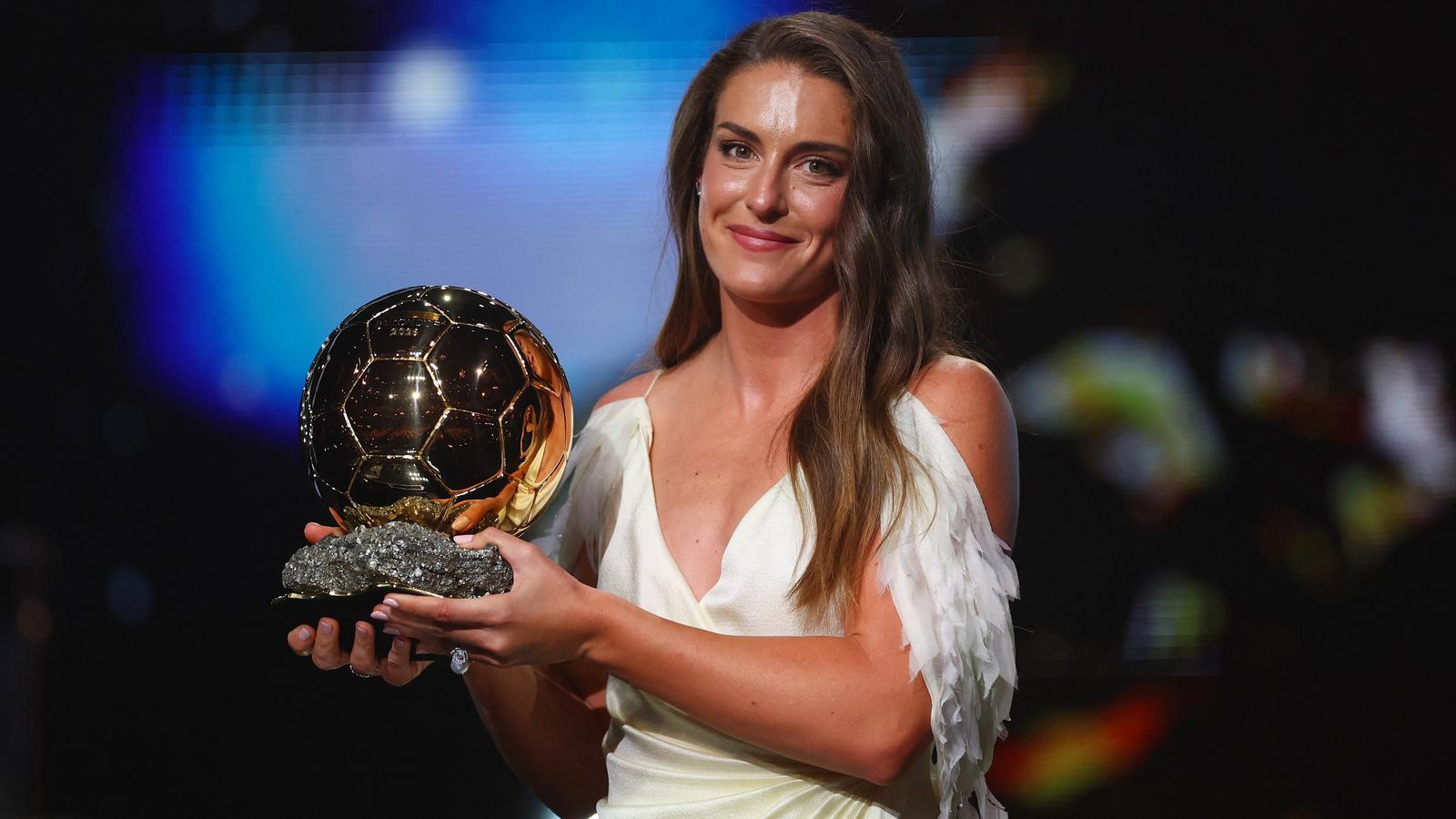
“Ecstasy of Spanish football”, says Marca on its front page, regarding the Ballon d’Or gala. “Kane wins, Spain sweeps”, seconds As, also from Madrid. On the first two pages, the word Barça appears only in the last subheading, when it explains that the blaugranes were chosen as the best women’s team. In Catalonia, of course, the approach had a very different mental framework: “Barça sweeps”, wrote Mundo Deportivo recalling the awards for Alexia Putellas, Lamine Yamal, Vicky López, Cata Coll, Pere Romeu, and the women's team. Smaller, it also recalled the triumph of the Spanish national team, for Luis de la Fuente and Unai Simón, and left the big prize of Harry Kane for the very end. In Sport, the headline was “Blaugrana Party” and all six photographs were of Barça, including a proud Joan Laporta in the last of the cards. L’esportiu, for its part, gives the lead to Putellas, above the headline “Three golds”.
Every now and then, someone repeats the refrain of separating sport from politics. It is impossible, of course. If six Madrid players had won, the front pages of Marca and As would have oozed stark white meringue from all four corners. And that is also politics, even if it is the politics of primary passions. When someone Catalan wins an international award, they are invariably identified in the Madrid media as Spanish. Only if they fall from grace do the cavernous newspapers remember their Catalan identity. The motto “More than a club” may seem like a somewhat worn-out expression in the far-from-innocent business of football, but it remains painfully relevant: facing a dominant media ecosystem that punishes Catalan identity, Barça remains an essential lever for explaining this corner of the planet to the rest of the world. Even if Harry Kane wins.
