Zelensky regrets that Ukraine did not receive intelligence information from partners in the last attack against Kyiv
The Ukrainian president avoids pointing at the USA, but the statement arrives after Trump threatened to cut cooperation

-
CAT -
CAST
BarcelonaAfter a few months in which it seemed that the relationship between Donald Trump and Volodymyr Zelenskyy had gotten on track, the statements, announcements, and events of the last few days suggest quite the opposite. On Friday, the President of the United States announced an agreement with his Russian counterpart, Vladimir Putin, with which Moscow is expected to deliver about two million tons of diesel to the US over the next two months, which represents a significant lifeline for the Kremlin's war economy. That same day, Trump hinted that Ukraine should change its president and threatened to stop sharing information with Kyiv in retaliation for Ukrainian attacks on Russian refineries.
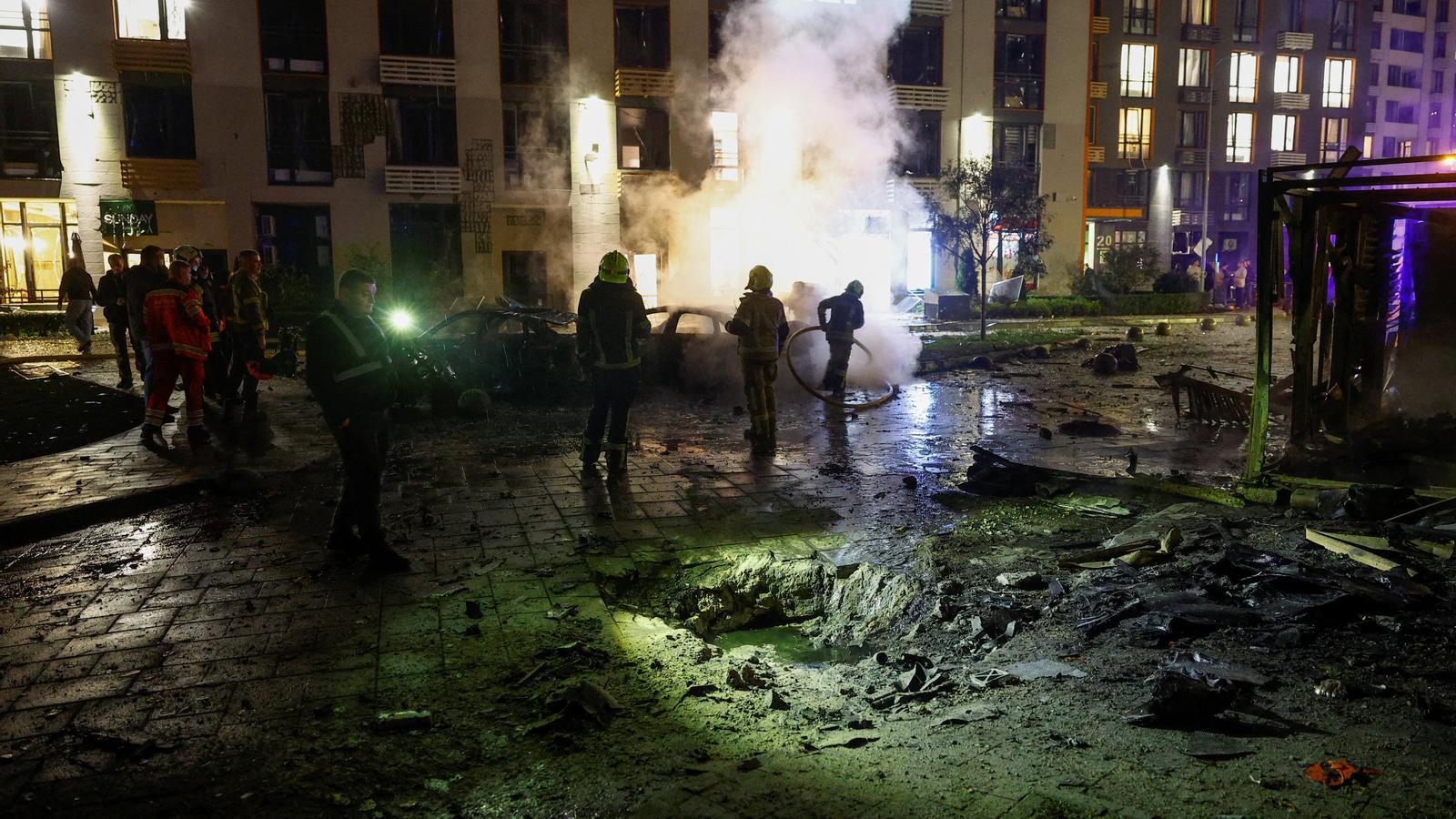
This Tuesday, Zelenskyy lamented that his army did not receive intelligence information from its partners prior to the ballistic missile attack that struck Kyiv this Monday night. In a message on X, Zelenskyy avoided pointing directly at Washington, but the statement comes shortly after Trump's threats, which also have a precedent: in March of last year, Washington cut off intelligence cooperation with Kyiv, after the tense televised meeting between Trump and Zelenskyy days earlier at the White House.
The Ukrainian Air Force has reported that they did not receive any information about the launch of Russian missiles this Monday night and that for this reason, they did not issue an air raid alert in time. Russia launched six ballistic missiles a few minutes after ten o'clock, but Ukrainian radar systems did not detect them until the attack had already begun.
"Intelligence information about Russian ballistic missile launches helps us save lives," Zelenskyy stressed. He added that "direct or indirect support for Russia by reducing assistance to Ukraine or making it more difficult to save lives from ballistic missiles will certainly not help bring peace." "We need a strong United States, a strong Europe, and strong partners," he concluded.
However, later on, the Ukrainian Foreign Minister, Andrii Sybiha, assured that cooperation with the US to receive intelligence information is being maintained in an attempt to calm the waters. He said this during a security forum in Poland, where he insisted that the country needs more air defense systems and energy equipment supplies as Ukraine prepares for another harsh winter.
Energy truce
In parallel, Zelensky reported this Tuesday that the Ukrainian army has not attacked any oil refineries or other energy facilities in the last two days, following Trump's announcement of a ceasefire on attacks against energy infrastructure. He said that Russia has indeed continued the bombings against this type of infrastructure in Ukraine, although the Russian Ministry of Defense has not mentioned any energy facility in its daily summary of nighttime attacks.
On Sunday, Trump announced this limited truce, without Moscow having confirmed its position. This Tuesday, Kremlin spokesperson Dmitry Peskov limited himself to saying that contacts regarding a ceasefire are ongoing. "They have reached an agreement because I said they have reached an agreement," the American president had said hours earlier. Furthermore, he urged Zelensky and Putin to meet to "put an end to this ridiculous war" and was again critical of Zelensky's supposed lack of willingness to negotiate, while considering that Putin is willing: "I think what's happening is that he [Putin] wants to reach an agreement, and we have to get Zelensky to want to as well."
Trump is suffering from his lowest popularity ratings just weeks before the midterm elections in the United States, and at a time when the price of diesel has skyrocketed. Stuck in a war in the Middle East that has jeopardized global maritime traffic, especially of energy products, he now chooses to blame this runaway inflation on Ukraine's attacks against Russian refineries.
Paradoxically, exactly one year ago, the Financial Times published that US intelligence had been helping Ukraine for months to organize long-range attacks against Russian energy facilities, in a coordinated effort to weaken Vladimir Putin's economy and force him to sit at the negotiating table. The American intelligence shared with Kyiv allowed for attacks to be launched against important Russian energy assets, including oil refineries far beyond the front line, according to several Ukrainian and American officials who spoke to the British newspaper.

