Ukraine: time gained and years lost

-
CAT -
CAST
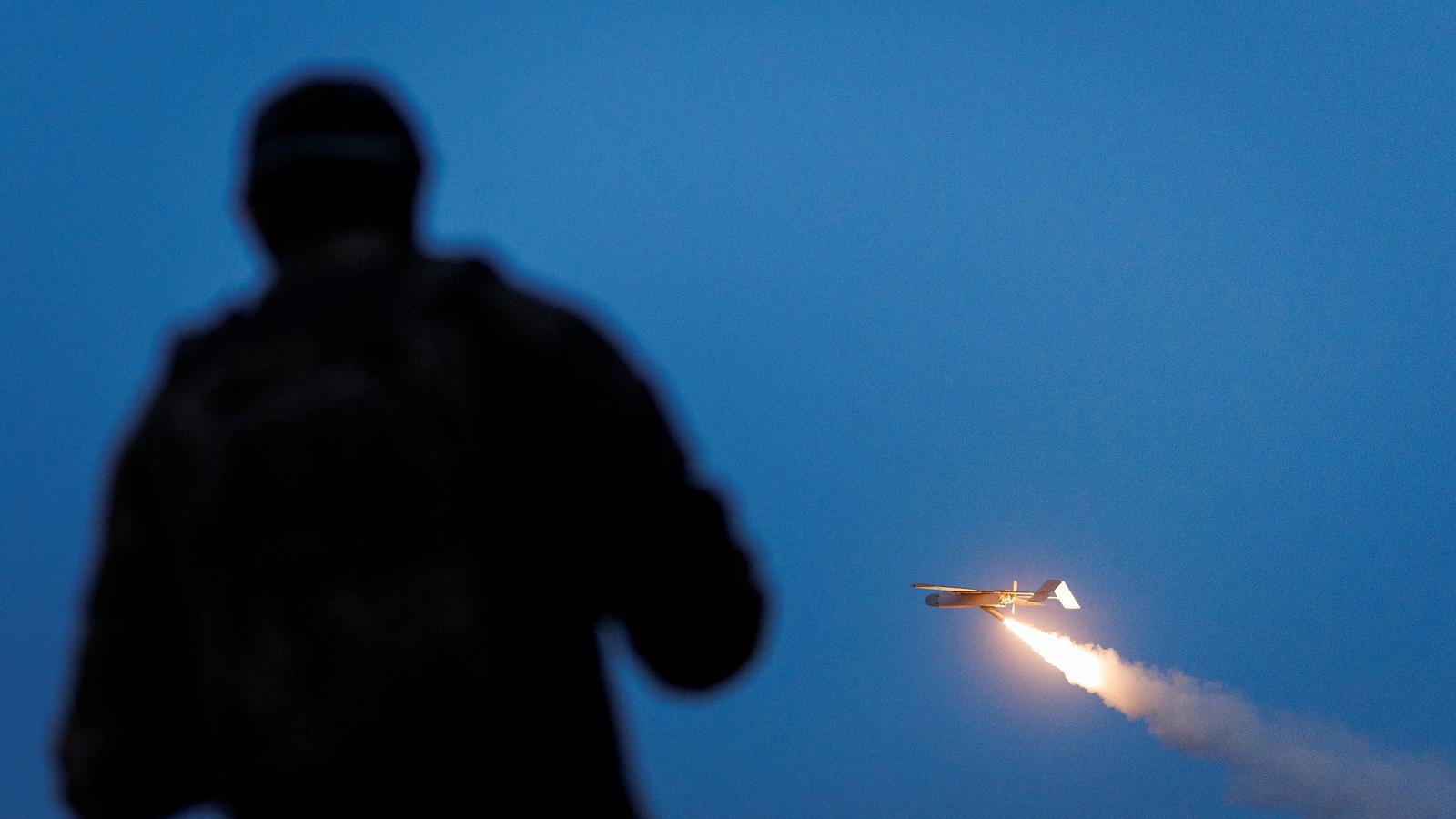
BarcelonaWho would have thought four years ago, when the Russian attack on Ukraine took place, that on July 14, 2026, Ukrainian units would parade on the Champs-Élysées in Paris with a not exactly victorious, but satisfied air. Hopeful. Ukraine's drones continue to harm Russia and Putin continues to take refuge in rhetoric and missiles exploding in Kyiv. But this crisis –perhaps the beginning of the end of the war– also highlights the democratic shortcomings of the regime managed by Volodymyr Zelensky. The latest episode has been the dismissal of the Minister of Defense, Mykhailo Fedorov, and as a consequence the head of the military command, Oleksandr Sirski, who was the one demanding it. By expelling Fyodorov, the Ukrainian president gets rid of a rival, but loses one of his best strategists with a lot of support in the streets of Kyiv. A conflict that gives indications of how Ukraine would end up if Putin finally threw in the towel. Or if the Kremlin's dens forced him to throw it in.
With more than six million refugees, tens of thousands dead, and a GDP drop of over 50%, Ukraine above all needs the European Union to deploy an economic and social reconstruction plan equivalent to the Marshall Plan for Germany after the defeat of Nazism. And administering this aid – much of which would be a grant – invites the ghosts associated with war to boldly show themselves. The one who sounded the alarm is the German playwright Fabian Scheidler, who in his book The state of war it must be said that the attack on Ukraine was an avoidable crime. Scheidler immediately warns that Ukraine and Russia have one thing in common: both are corrupt countries, where extractive elites permeate society. And it has always been this way: Ukraine's long and heroic struggle for sovereignty has been unable to hide that it is a country where democracy has never taken root.

Lenin's Russia annexed Ukraine amidst the turmoil of the civil war and in 1922 incorporated it into the USSR. An annexation halfway between a protectorate and colonization, and subjected to repression under Stalinism. Massacres that would culminate in the Holodomor – in Ukrainian it means to kill by starvation – the extermination of millions of people, peasants and opponents, between 1932 and 1933. A genocide that would be the impetus to collaborate with Hitler when he invaded the Soviet Union. Many Ukrainians wanted to take revenge on the Stalinist executioners, without realizing that their Nazi allies were also criminals.
After decades of carrying the sin of collaboration with the Nazis –Putin still uses it–, the collapse of the Soviet Union in 1991 gives Ukraine the opportunity to be an independent state. But the optimism that the first president Leonid Kravchuk spread did not last long. The post-Soviet nomenclatura, with President Leonid Kuchma at the helm, regained control of the state apparatus, and with Putin's arrival in the Kremlin, it articulated a new satellitization. The so-called Orange Revolution of 2005 would be of little use: the new president, the democrat Viktor Yushchenko, only lasted one term. His successor Viktor Yanukovych, a Putin man, breaks off association negotiations with the European Union and positions himself with Moscow. The street's response is the revolt, Maidan, which will also not serve to establish a Ukrainian democracy. It is 2014 and the Kremlin annexes Crimea and attacks the Donbas regions. Then emerge all the elements that will lead to the war in February 2022. Putin had already warned that Ukraine was no nation: it was only a region of the empire and would be treated as such.
