Trumpism without Trump?

-
CAT -
CAST
Donald Trump's 2020 defeat did not bury Trumpism. It only made it take root. Evicted from the White House by a seven-million-vote margin, but by the thinnest of margins in a handful of decisive states, Trump incited his supporters to insurrection and, when the mob's assault on the Capitol failed, he retreated to his Mar-a-Lago mansion to plot his extraordinary comeback.
The unprecedented violence of that January 6, 2021, would have buried any other political career. But Trump is not and has never been a conventional politician. Although the party initially repudiated him, it soon embraced him again, aware that it needed Trumpism to keep winning. Faced with the base's loyalty to its leader, Republican leaders let the movement swallow the party until it became the party of Trump.
This time, however, the rejection has been of another magnitude. The Republicans lost the popular vote by almost 14 points in last Tuesday's midterm elections, a margin that exceeds that of the famous conservative revolts of 1994 and the Tea Party in 2010, as well as Trump's own setback in 2018. The blow was close to the political and moral tsunami of the 1974 midterm elections, held just after the Watergate scandal and the resignation of Richard Nixon, when the Democrats won by 16.8 points.
Are we, then, facing the end of Trumpism? If we look at the overwhelming results from Tuesday, everything indicates that yes, or at least that we are at the beginning of its end. But we must be cautious, since just two years ago, when Trump won clearly thanks to the vote of Latinos and young men, many analysts rushed to announce a realignment of the electorate, that is, a deep and lasting change that would redraw the political map for generations, similar to the exodus of white Southern voters to the Republicans starting in the sixties, after Democratic presidents ended racial segregation.
What future does the MAGA movement have?
In my view, Trumpism ends with Trump. He will not be able to run in the 2028 elections and, for now, no one in the Republican Party has his histrionic and outsider style, capable of mobilizing millions of citizens from rural America and disillusioned working classes, many of whom had abandoned the ballot box. What, then, will happen to the voters of the movement that gathered under the MAGA slogan and around a cult of his personality?
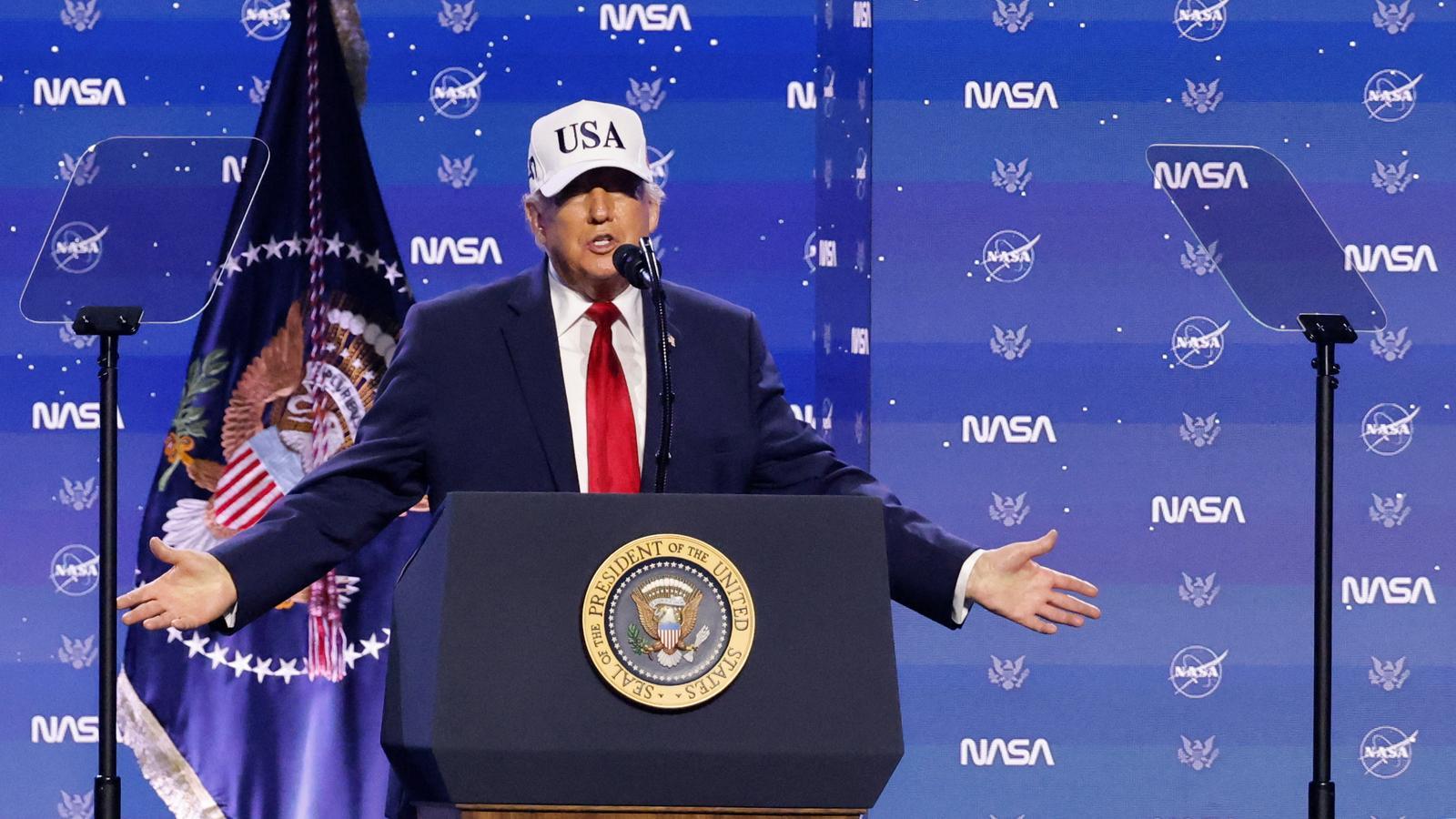
Trump will not leave as a lame duck. The appointment of Stephen Miller as his new chief of staff is a clear signal that he will wage battle against the new Democratic majority in Congress and that he will try to maintain his influence in the party. But if he continues to be more focused on his ballroom at the White House than on the price of gasoline and the shopping basket, his base will begin to ignore him and look for another figurehead.
The MAGA bloc, moreover, is no longer homogeneous. A part of its base considers that Trump has betrayed them: they reproach him for the war with Iran, which completely contradicts his policy of America First; the increase in public debt, and that he has not kept the promise to make all of Epstein's papers public. For these sectors, Tuesday's lesson is not to return to the center, but to radicalize, and they are looking towards figures like communicator Tucker Carlson; Secretary of Defense Pete Hegseth, and Vice President J.D. Vance. Republicans tired of Trump, on the other hand, will prefer more moderate profiles like Ron DeSantis or Marco Rubio.
The 2020 defeat made Trumpism take root. This one will take it away. And, in turn, the MAGA movement will likely break apart and open a war of succession between the more moderate and more radical factions of the Republican Party.
