The mysterious visit of the CIA director to Moscow
The last time a head of US intelligence visited the Kremlin was shortly before the war in Ukraine began

-
CAT -
CAST
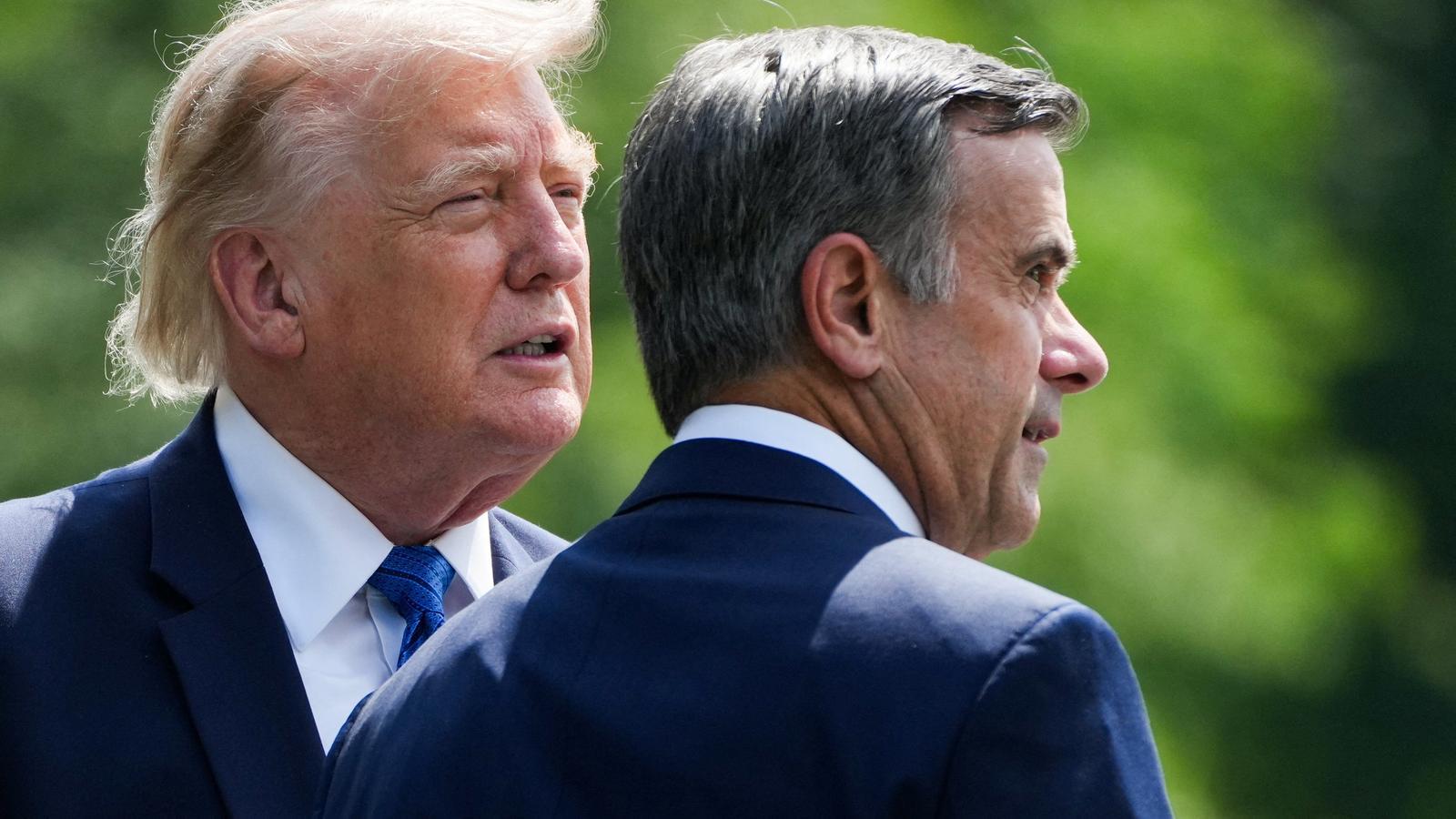
WashingtonThe director of the CIA, John Ratcliffe, traveled secretly to Moscow on Tuesday to meet with his Russian counterpart, Sergei Naryshkin. The last time the head of the United States intelligence agency – then it was William Burns, a trusted man of Joe Biden – made a secret trip to Russia was at the end of 2021. Three months later, Russian tanks invaded Ukraine. If the precedent is little reassuring, the explanations given by the American president, Donald Trump, are even less so. On Thursday, the Republican said Ratcliffe's secret visit was "semi-routine" and assured journalists that Putin "will not attack any NATO territory." In the White House's diplomatic efforts to end the war in Ukraine, the Russian president has already shown how much he listens to his American counterpart.
U.S. officials who asked not to be named have confirmed to CNN that, for various reasons, Ratcliffe went to Russia to warn Putin not to attack any allied country. However, beyond what has been leaked about this visit to the U.S. press – uncovered by a flight tracker who detected a military plane over Moscow – the trip to the Russian capital by the CIA chief constitutes an important marker on the geopolitical situation of the United States and the two major military fronts: Ukraine and Iran.
The meeting with the Kremlin takes place just as it has six months of war in Iran, with a structural problem in Washington to be able to restock the Patriots and with significant power vacuums in the Pentagon's top command positions. Intelligence sources revealed to The Washington Post, Ratcliffe boarded the plane on Tuesday precisely following a report warning that Putin considers the US militarily weakened by the war against the ayatollahs.
Meanwhile, in Europe, Ukraine suffers from the same ailment with Patriots: the shortage of anti-aircraft missiles has left the country at the mercy of Russia's long-range missiles. Nevertheless, after four years besieged by the same Iranian-made Shahed drones that Americans now suffer from, Ukrainian soldiers have learned to resist. The forces led by Volodymyr Zelensky are managing to damage Russia's energy industry thanks to their own long-range drones, and have brought the war inside Russian territory. Now that Kyiv is fighting back, Putin sees Ukraine even more as a kind of "proxy of NATO.
Russia's discomfort with Ukrainian drone incursions gives Putin more reason to consider actions against NATO countries. Trump's constant disdain for allies has long fueled this scenario, which may now seem more solid to Moscow given how the US has compromised its military capacity by embarking on a war in Iran.
Moscow reads the doubts that have arisen about whether the White House will respond to the Alliance's common defense principle as a loophole to exploit. Especially now that so much effort and resources are being dedicated to the Iranian front: last March, Trump withdrew the THAAD anti-aircraft defense system he had in South Korea, one of only two such systems permanently deployed. Beyond being a symptom of the stress to which the THAAD and Patriot systems were subjected at the beginning of the conflict, it was also a sign of how far Washington's commitment to its allies goes when things are going badly at home. The South Korean THAAD had a deterrent function against North Korea. A reading that likely did not escape the Kremlin, just like the recent decision to reduce joint military maneuvers between US and South Korean forces to avoid upsetting Pyongyang.The gaps in the Pentagon dome
In the last year and a half, Russia has also begun to probe Europe with hybrid warfare actions. Three weeks before Ratcliffe's secret flight to Moscow, U.S. intelligence found an explosive drone at Leipzig airport in Germany. The device was near a Ukrainian cargo plane and had the same characteristics as the drones typically used by the Russian Main Intelligence Directorate. In mid-August, an investigation by the British newspaper The Telegraphrevealed that the Kremlin has built 10 new drone bases on the border with Ukraine and Belarus, which expand Moscow's attack range within NATO territory. Russian long-range military drones can travel nearly 998 kilometers, placing European cities like Warsaw within their reach.
Russia's advances in the drone field clash head-on with the Pentagon's internal front. Since last April, when Secretary of Defense Pete Hegseth fired General Randy George, the U.S. military has been operating in Iran without its Chief of Staff. Hegseth gave no explanation for the dismissal. The seat for the Army's Training and Doctrine Command, which, among other things, oversees Patriot missile acquisition, also remains vacant. Hegseth also forced the withdrawal of General Christopher T. Donahue, the top commander of the U.S. Army in Europe, in June. The Secretary of Defense gave no explanation for the reasons why he was dispensing with one of the U.S. forces' leading drone experts, precisely when the wars in Iran and Ukraine are demonstrating that drones are becoming a decisive weapon.
The head of the CIA under the Biden administration had warned before visiting Moscow in November 2021 that Russia's president was considering a possible military offensive against Kyiv. Now, Ratcliffe has made the same journey while Washington is sunk up to its waist in Iranian mud. And, whatever the case, no one knows for sure what the intelligence chiefs of Trump and Putin talked about.