Riyadh airport will continue closed until October 17 due to the Houthi attacks
A new deadly impact against the infrastructure forces to maintain the suspension of the majority of flights

-
CAT -
CAST
JerusalemThe King Khalid International Airport in Riyadh, the second busiest in Saudi Arabia, has remained closed this Monday after several days of missile attacks claimed by Yemen's Houthi rebels. This weekend alone, projectile impacts caused at least fourteen deaths and more than 300 injuries, according to available tolls. Given this situation, the airport is expected to remain closed until next Saturday, October 17, according to an official aeronautical notice issued this Monday and reported by Reuters.
The latest attack occurred this Sunday, when an unidentified projectile fell on terminal four, causing one death and eleven injuries. An offensive that arrived less than 24 hours after the Saturday bombing, which caused the death of 13 people and more than 300 injuries, and which is considered the deadliest attack against the country since May 2015, in the midst of the intensification of the Yemen war. Since October 6, Riyadh airport has been hit on five occasions.
The reiteration of the attacks has paralyzed a key infrastructure for Saudi Arabia's air connections. Data from Cirium, a company specializing in the aeronautical sector, exposes the consequences: this Monday 82% of scheduled flights were canceled, a percentage that could still increase further.
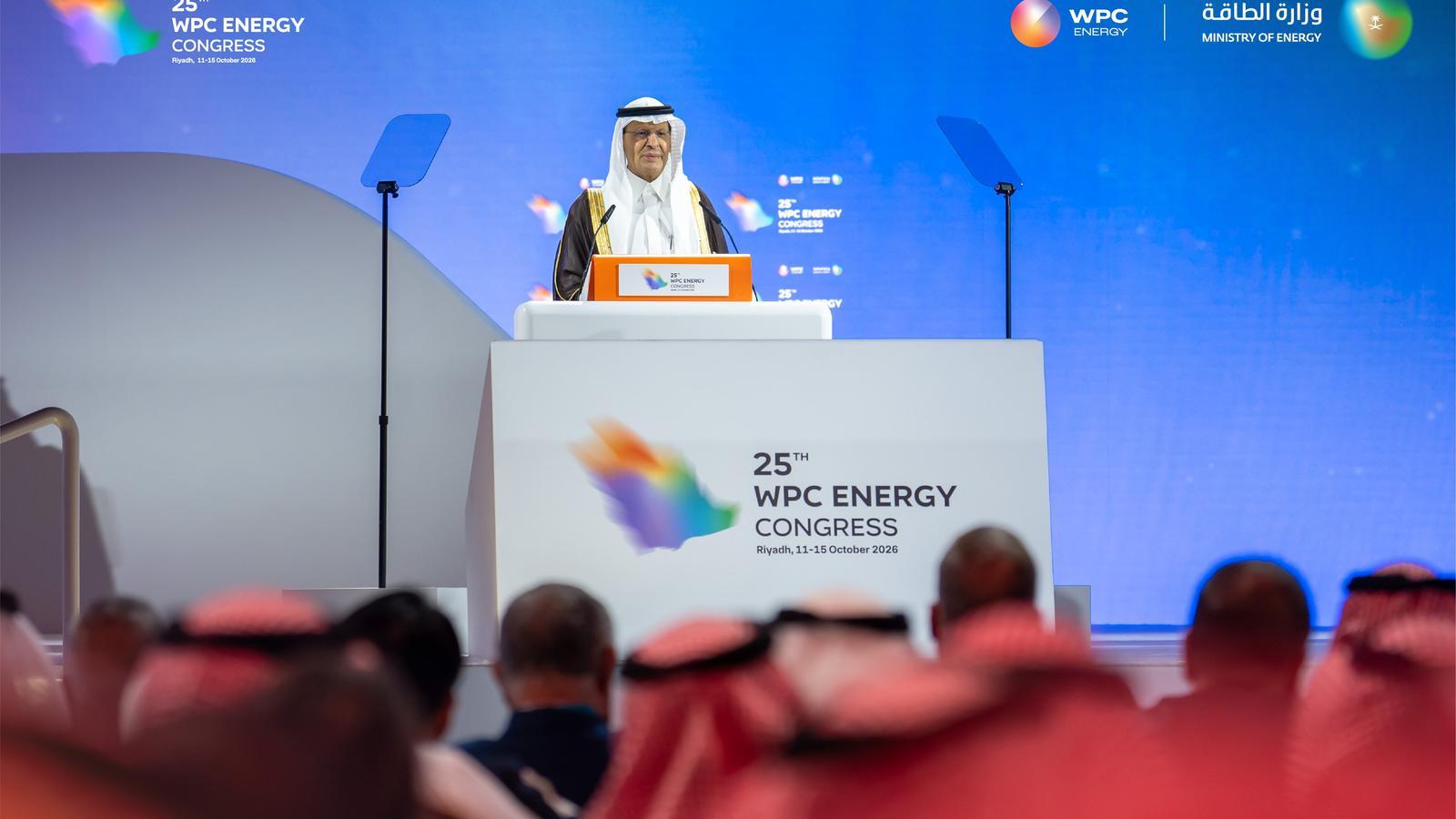
The military escalation coincides with the celebration in Riyadh of the WPC Energy Congress, an event that brings together representatives of the energy sector and international investors, and which has continued despite the escalation of violence. In fact, this Monday, the attacks have continued: according to the forces of the military coalition led by Saudi Arabia to support the internationally recognized Yemeni government, Saudi defenses intercepted a cruise missile near King Khalid airport and neutralized a ballistic missile launched in the direction of Khamis Mushayt, a city in the southwest of Saudi Arabia that hosts an important military air base.
In this context, the Saudi Minister of Energy, Abdulaziz bin Salman, has promised a "serious" response to the attacks against the country's airports and oil facilities. "The word fear does not exist in the Saudi dictionary. We Saudis are a brave, combative, and determined people, and we will show the world that, no matter the difficulties we face, we will overcome them," he added during the congress. In contrast, Crown Prince Mohammed bin Salman, the country's de facto ruler, has not appeared in public since Tuesday of last week.
The Houthis threaten to maintain the offensive
The Houthi rebels in Yemen, aligned with Iran, have claimed responsibility for the attacks on Riyadh airport, and have warned airlines and travelers to avoid Saudi airports. On Sunday, the group reiterated that it will maintain the offensive if Saudi Arabia continues to attack areas of Yemen under its control, and warned that "the worst is yet to come." The Houthi military spokesperson, Yahya Saree, has stated that, since last Friday evening, they have carried out three waves of attacks against King Khalid airport, military operations against energy facilities of the Saudi state-owned company Aramco, and attacks against King Fahd international airport, in the city of Dammam, in the east of the country. Saudi authorities have confirmed that this last airport has also been attacked and that they are assessing the damage.

For their part, some media outlets linked to the Houthis have reported a Saudi airstrike against Sana'a International Airport, the capital of Yemen, and a bombing against a residential area that reportedly caused the death of a child and injured six other people. According to Anees al-Asbahi, a spokesperson for the Houthi-controlled Ministry of Health, Saudi bombings have caused 91 deaths since September 3, a figure that has not been independently verified.
The escalation of attacks has increased fears that the conflict will spread. United States President Donald Trump has left open the possibility that Washington could become militarily involved in Saudi operations against the Houthis, although he has not yet announced any definitive decision. At the same time, Iranian Foreign Minister Abbas Araghchi has spoken with his Saudi counterpart, Faisal bin Farhan, to explore whether Tehran can act as a mediator between Riyadh and the Houthis.
For his part, the UN High Commissioner for Human Rights, Volker Türk, called this Monday for an investigation into the attacks on Saudi Arabian airports and demanded that those responsible for possible violations of international humanitarian law be held accountable.
