Netanyahu's corruption trials enter a key phase
After six years of processes, the battle between the government and the judiciary continues to mark Israeli politics
-
CAT -
CAST
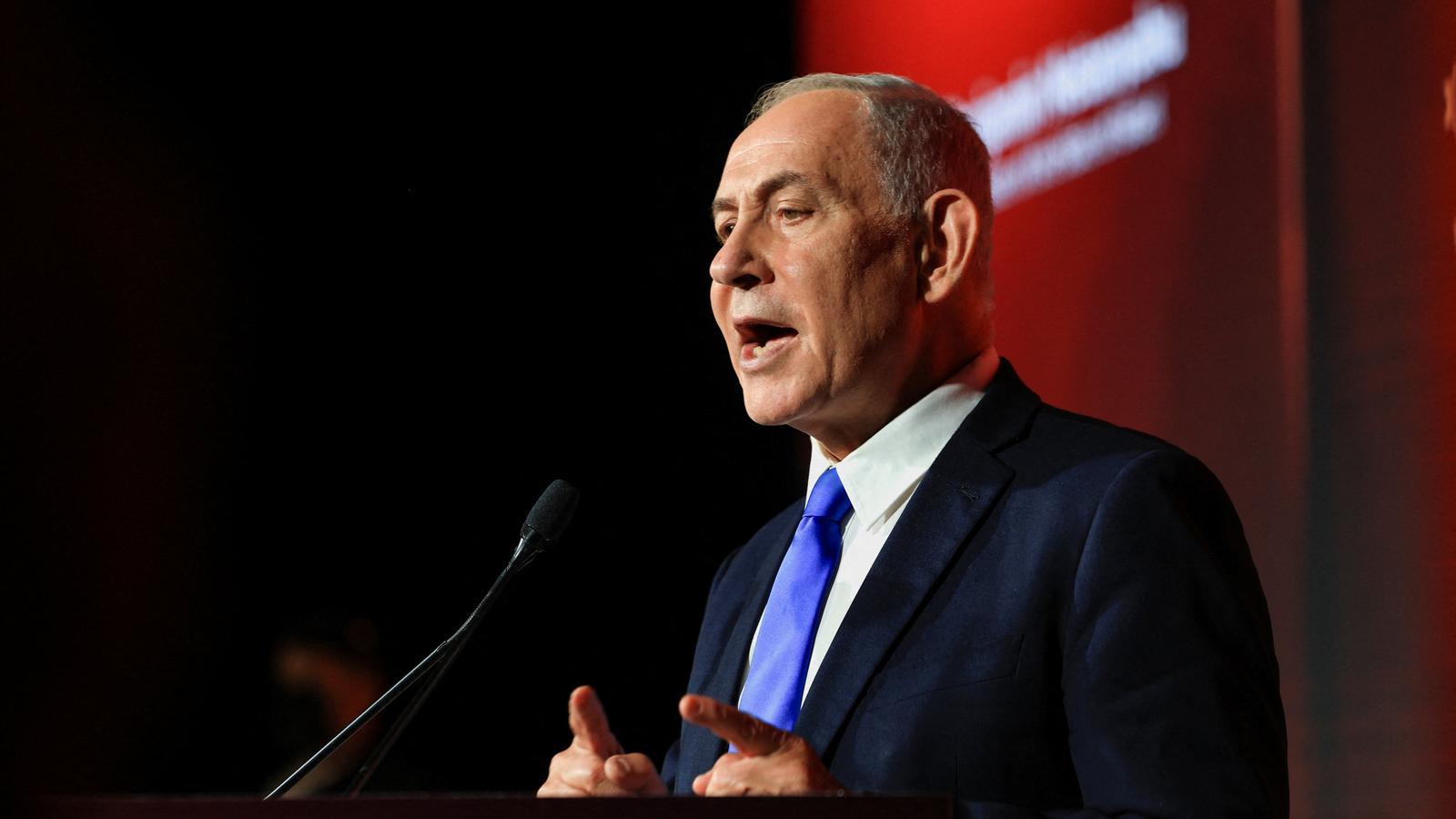
JerusalemWith only a few months left until the elections, the trial against Benjamin Netanyahu has entered a new phase. The Israeli prime minister concluded his testimony before the court at the end of June, after 98 sessions that lasted a year and a half. But the process is still far from over: defense testimonies, final reports from the parties, and the judges' deliberations are still pending before a verdict. What future awaits a case that has marked Israeli politics in recent years and that will mark the country's electoral pre-campaign?The process that began in 2020 has advanced through marathon declarations, postponements for political and security reasons, constant calendar changes due to the different wars Israel has experienced in recent years, and an increasingly open confrontation between the prime minister and the country's judicial system. This is an unprecedented episode in Israeli judicial history: it is the first time that a prime minister in office has faced a criminal trial and has testified for so long in court. True to the strategy he has maintained since the beginning, Netanyahu has denied all accusations and has once again presented the case as a political persecution.The judicial proceeding focuses on three open cases, known as cases 1000, 2000, and 4000, in which the prosecution alleges there are indications of bribery, fraud, and abuse of power. Case 1000 investigates the receipt of gifts valued at approximately 260,000 euros from businessmen such as Arnon Milchan and James Packer, in exchange for possible political favors. For now, Netanyahu has admitted they were friends, but argues that the gifts were part of a personal relationship and not an exchange of favors.Case 2000 analyzes the conversations held with Arnon Mozes, editor of the Israeli newspaper Yediot Aharonot, about a possible improvement in media coverage in exchange for limiting the influence of the rival newspaper Israel Hayom. The legal discussion now focuses on whether those conversations constituted a real negotiation or a political maneuver without intention of materializing.Case 4000, the most serious, focuses on the alleged granting of regulatory favors to businessman Shaul Elovitch in exchange for favorable coverage on the Walla portal. It is the only case in which Netanyahu is accused of bribery, but where the judges have reiterated that they have difficulty seeing where this crime lies. The prosecution maintains the accusation.

A still uncertain legal outcome
The timeline of the process continues to be difficult to predict. Experts consider it unlikely that there will be a sentence before 2027, given the size of the summary and the years of accumulated investigation.“If Netanyahu is convicted of serious crimes, and this currently seems likely, he will be barred from holding political office for seven years after serving his prison sentence. This would, therefore, mean the end of his political career,” Barak Medina, a law professor at the Hebrew University of Jerusalem, explains to ARA. “One of the possible scenarios is that Netanyahu, if he loses the elections or foresees that he will lose them, opts to negotiate a deal with the prosecution that allows him to leave politics in exchange for avoiding a prison sentence,” he adds.Beyond the legal outcome, the trial has already had a profound impact on Israeli society. For his supporters, Netanyahu is a victim of a politicized system that seeks to nullify the will of the voters. For his critics, the process is an example that political leaders are also subject to the law. This division is not only reflected in the political debate, but also in trust in institutions. The government's constant attacks against the Supreme Court and the prosecution have contributed to eroding public trust in the judicial system. "The result is that trust in the Supreme Court has polarized according to each person's opinion regarding Netanyahu - describes Medina -. Many of Netanyahu's supporters consider that the court is politically biased".However, the expert argues that the continuation of the process, despite the government's various attempts to remove the attorney general or seek a political solution through a presidential pardon, demonstrates the resilience of Israeli institutions. “That the trial continues, despite Netanyahu's unprecedented political power, is an indicator that Israel remains a state of law,” concludes Medina.The tension between Netanyahu's government and the judiciary has been one of the constants of his current term. In fact, this very week, the executive announced that it will use all available legal tools to reverse a Supreme Court decision related to the audiovisual media regulatory authority. The dispute has a particularly sensitive dimension because two of the three corruption cases against Netanyahu are precisely linked to alleged favors to media owners.With elections scheduled before the end of October, the trial will continue to be one of the main axes of the Israeli electoral campaign, a scenario in which polls point to difficulties for Netanyahu's coalition, which could lose the majority that has allowed it to govern.
