Butterfly effect: Donald Trump and the African rural exodus

-
CAT -
CAST
In December 2025, a good number of African countries had found themselves with a window of opportunity. The price of oil was low and in global markets it seemed there was more supply of oil than demand, a fact that would have kept energy prices stable. Most African countries are importers of gasoline and diesel, with prices that tend to move at the same rate as those of oil. At the end of February 2026, however, war broke out in Iran.
The war in Iran was supposed to be a brief intervention to decapitate the regime in a few days and install a government more aligned with the United States –the same argument that Russia used in Ukraine in February 2022–. Today both conflicts are still ongoing. Ukraine is attacking Russian refineries and the circulation of refined products and oil is partially blocked in the Middle East; and Africa is suffering for it. Even the continent's major oil exporters –such as Angola, Libya or Equatorial Guinea– are suffering: although they bring in more money selling barrels of crude oil, they then have to spend it again to import gasoline, diesel and food, all much more expensive.
In the United States –as everywhere else– the cause of the rise in the price of diesel has become a partisan discussion. Since diesel affects transport, agriculture and energy generation, its movements are a thermometer of the rising cost of living in the country. For Democrats, the cause is the war in Iran, and they blame Donald Trump. Trumpist circles, and Trump himself, say the fault lies with the war in Ukraine, which began during Joe Biden's term.
The agency Bloomberg, citing data from various agencies specializing in commodity trading, published this September that a good part of the drop in diesel exports is linked to the conflict in the Middle East, far above the disruptions linked to the Ukrainian one.
For Africans it is indifferent: their governments rush to global auctions to get ships carrying fuel to reach their ports, and they compete with much wealthier regions, such as Europe, which can offer higher prices.
Widespread inflation
Like a virus, inflation spreads from the ports and large African capitals—where goods arrive—to the countryside, where the cost of living is skyrocketing. Fertilizers, transported to rural areas, are increasing in price. Those who grow cocoa in Ghana, cotton in Burkina Faso, tea in Kenya, or peanuts in Senegal are suffering a blow to their economy. Some farmers use less fertilizer to save money, and consequently, their harvests are worse. Others give up.
It is the great phenomenon that has occurred on the continent over the last thirty years: a silent exodus from rural areas, where farmers struggle to produce enough food, to urban areas. Food producers are disappearing and joining the list of urban consumers, who are increasingly dependent on imports of food produced elsewhere. Now, West Africa is on edge regarding rice harvests in India and South Asia, also affected by the global energy crisis. East and North Africa are keeping a wary eye on the wheat situation in Russia and Ukraine.
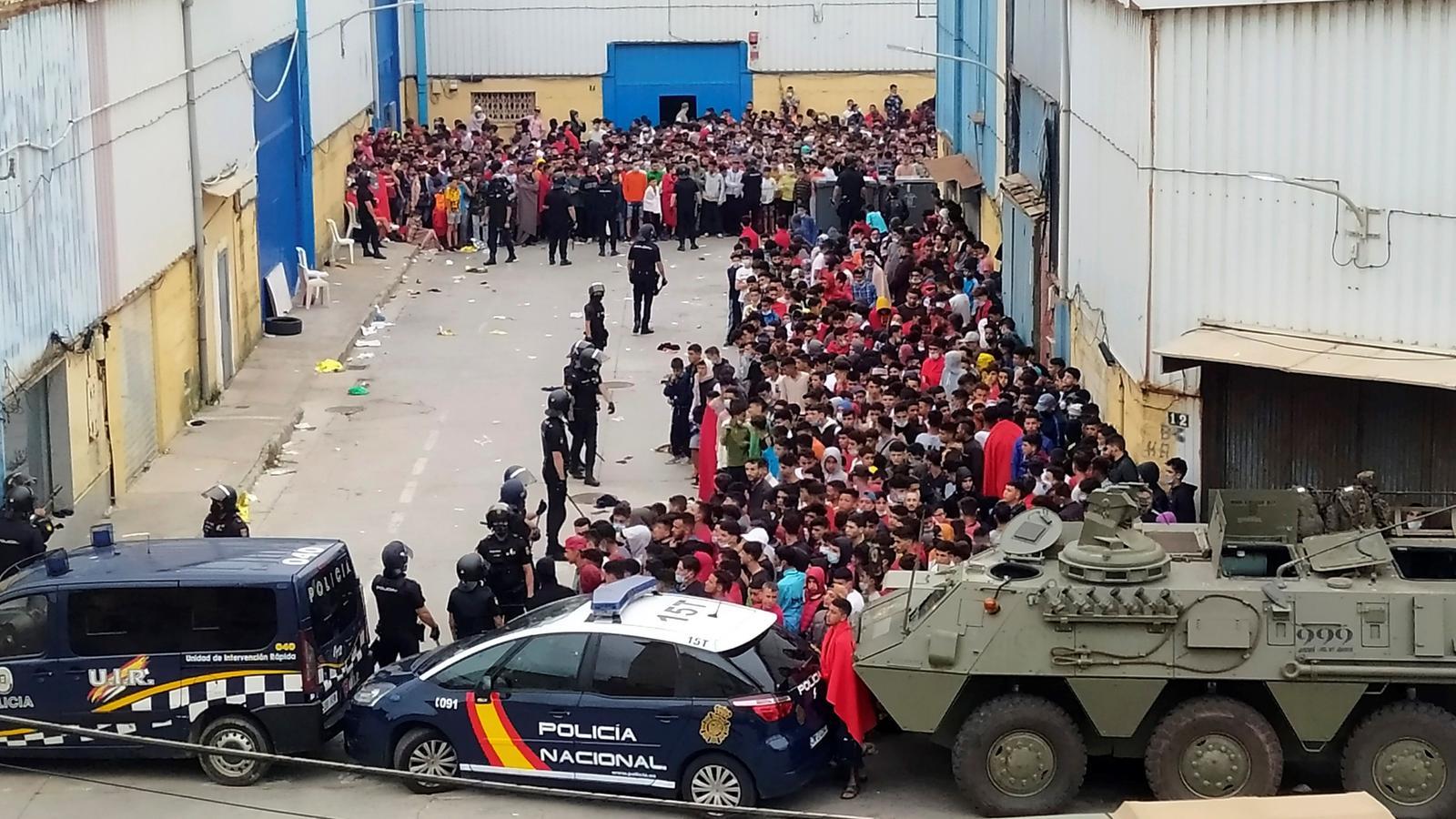
Russia has restricted diesel exports until the end of October, leaving its main buyers in Africa (Tunisia, Burkina Faso, and Senegal) exposed and contributing to price hikes for the rest, no matter where they buy. Some countries have bought themselves time in recent months by buying more from the United States, but this week in Washington, an idea began to be considered to lower the price of diesel before the midterm elections: banning exports. Donald Trump is in favor of a full-blown "America First" policy that would leave millions of Africans stranded and would instantly generate countless stories of migration across the continent. A butterfly effect invisible to the general public, but with some flesh-and-blood consequences. We see them when they arrive in Ceuta, Melilla, or the Canary Islands.
