A spokesperson must know how to distinguish between angle and lie

-
CAT -
CAST
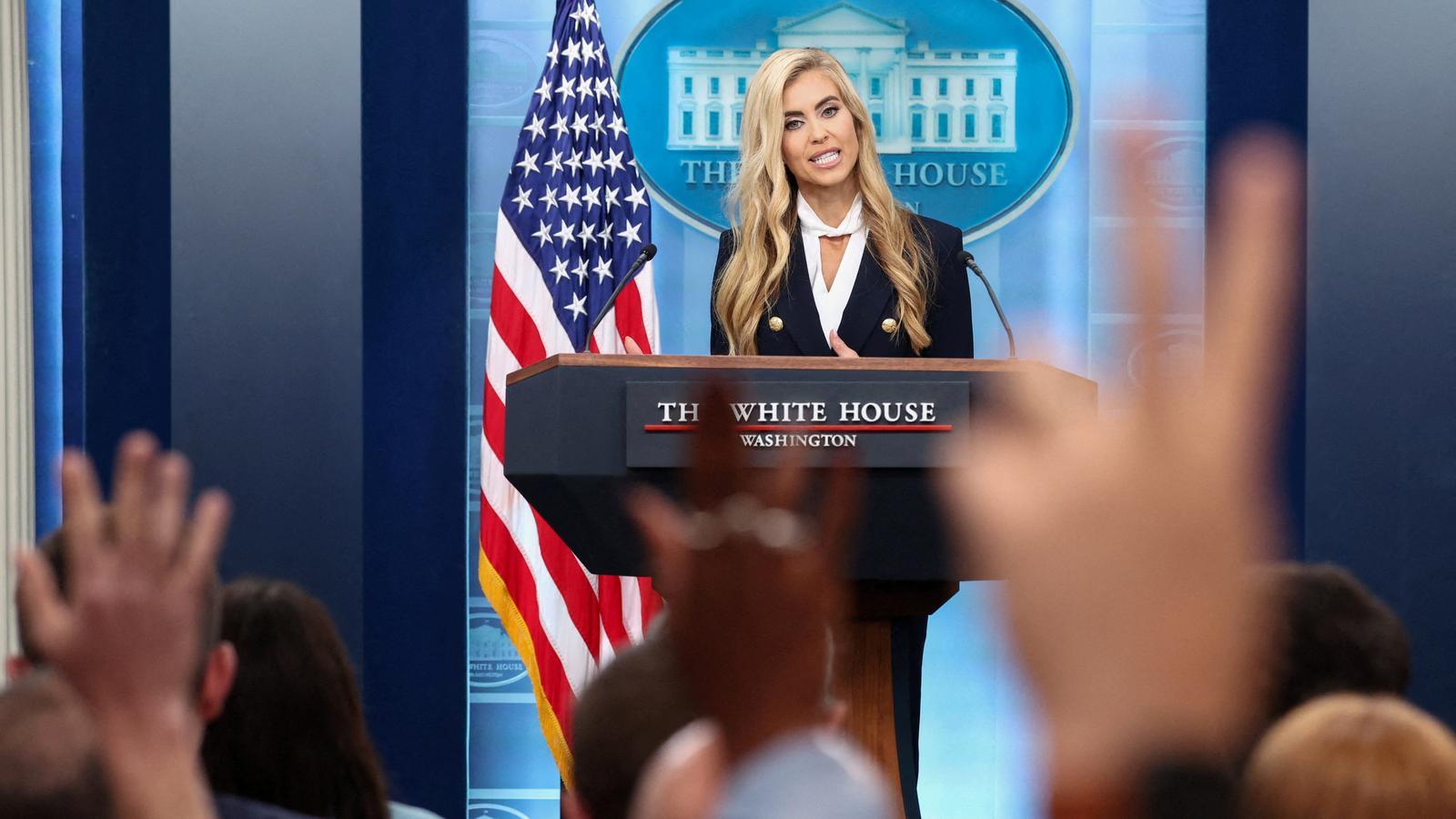
Katie Zacharia has been Trump's latest hire as press secretary and her debut in front of the journalists could not have been more disastrous, to the point that he has already fired her. Clinging to a piece of paper without which she seemed incapable of articulating a minimally coherent speech, she even suffered while reading because she stumbled and it was obvious she did not know where to place the emphasis in the sentences. Furthermore, her profile was under scrutiny because she had been presented as a lawyer and it is unclear if, beyond graduating from Pepperdine University, she passed the subsequent mandatory exam to be able to practice. In English, they distinguish between attorney and lawyer, and after multiple inquiries from the media, it was not clear if she is one or the other. But everything suggests that more than a lawyer she is a liar, that is to say, a blatant liar, which, considering who hired her, is not exactly a surprise.
And, yet, we should not resign ourselves to normalizing that a government spokesperson, paid with public money, can deceive the public with impunity. It is completely indifferent to me whether she is a lawyer or not: a title would not have made her more competent in the task she is assigned. However, that she tried to pass for who she is not is inadmissible, considering that her main attribution was supposed to be to generate trust in her public communication. We know that a spokesperson will color their information in the most favorable shades for the political party to which they owe their job. But there is a fundamental difference between showing a concrete fact from a particular angle (with its omissions and arbitrary emphases) and lying. When Trump arrived at the White House for the first time, it was surprising because Kellyanne Conway made a few brains explode when talking about “alternative facts.” This doctrine continues even if Zacharia has been a fleeting flicker.
