Brussels lifts the blockade on Hungary: it will receive more than 16 billion pending
The European Commission blocked European funds for the non-compliance of Orbán's government

-
CAT -
CAST
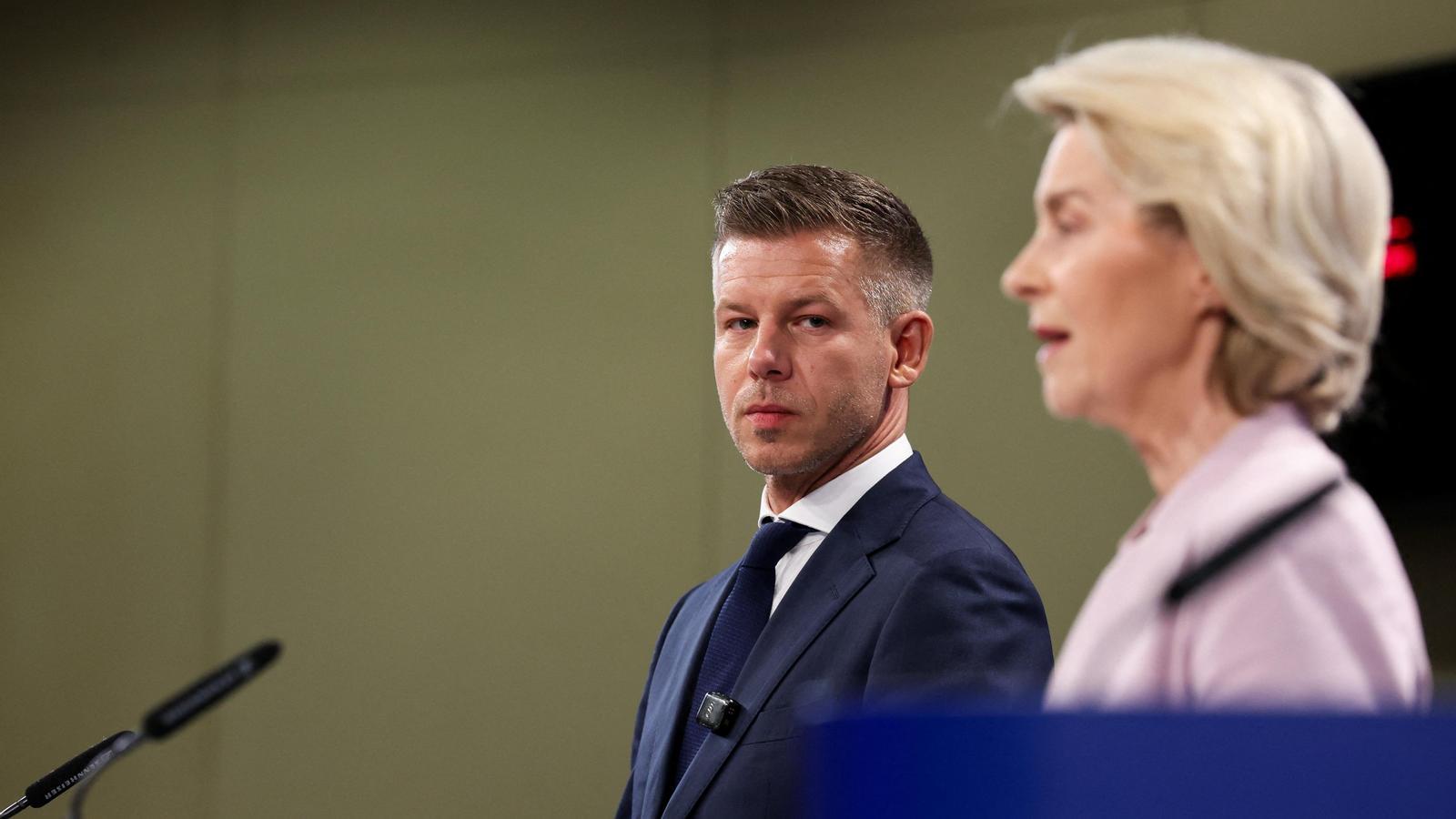
BarcelonaThe European Commission will unblock 16.4 billion euros in European funds corresponding to Hungary, which Budapest did not have access to due to repeated non-compliance by Viktor Orbán's government with Community regulations. This was announced this Friday by the President of the European institution, Ursula von der Leyen, in a joint appearance with the new Hungarian Prime Minister, Péter Magyar, who has achieved this change of stance from Brussels through promises of reforms to fight corruption and restore the rule of law.
ahead of the parliamentary elections on April 12The government of the new Hungarian Prime Minister took office on May 9, after his party, Tisza, swept the parliamentary elections on April 12 and put an end to 16 consecutive years of Orbán. Among other things, Magyar has committed to approving regulations to restore judicial independence, restore plurality in the media, and put an end to widespread institutional corruption.
"Our teams have worked very hard, day and night together to find common ground," stressed Von der Leyen, while Magyar considered that this agreement represents a "historic step forward" for Hungary, which will help boost the country's economy.
The money will not be disbursed immediately, but will be unblocked when Budapest approves the reforms agreed with the European Commission. Since the deadline to receive the 10 billion from the recovery fund ends on August 31, the Hungarian government has a few weeks to fulfill the commitments. It is planned that Magyar's executive will send the agreed recovery plan to Brussels next week and that the European Commission will give it the green light in July.
Unprecedented measure against Hungary
Most of these funds had been blocked since December 2022. In September of that year, after many years of warnings and threats, the European Commission proposed to the Twenty-seven, unprecedentedly, to freeze part of the European aid that would fall to Hungary. It was the first time that the Community executive had activated the regulation that had entered into force the previous year, which conditions the delivery of subsidies on compliance with the rule of law and adherence to the judgments of the Court of Justice of the European Union.

