Catalonia, astonishing territory

-
CAT -
CAST
It is not the first time we have warned about the critical situation in Catalonia with drugs. The danger signs persist. And they are diverse. Is the population sufficiently aware? Are the administrations sufficiently aware?
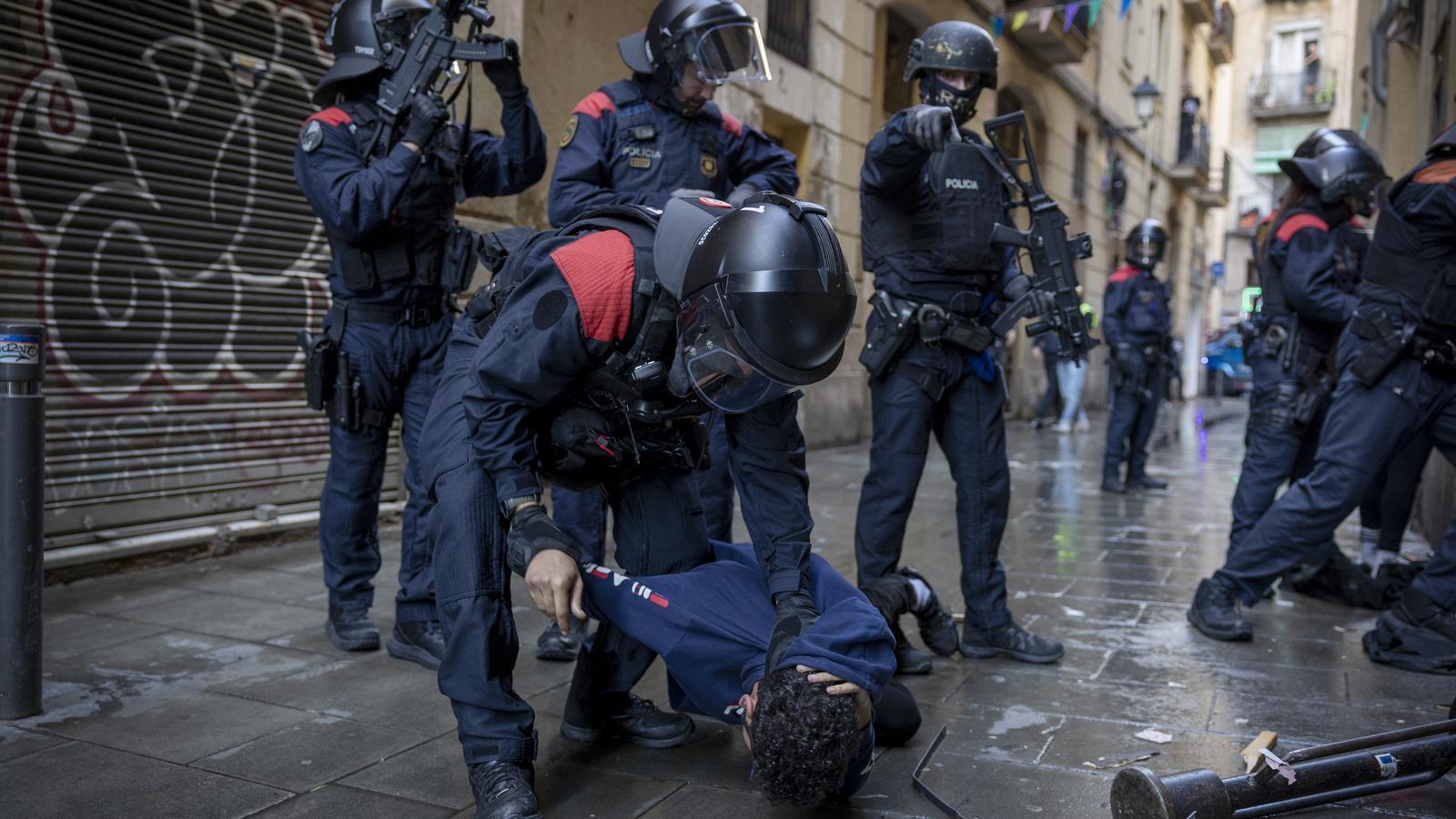
The narcolanches that used to arrive in Galicia and the south of the Peninsula are now reaching the Catalan coasts, from south to north. Mafias from different latitudes, from Latin America to Italy, Eastern Europe, and North Africa, have found among us a territory where it is easy to launder money and traffic drugs. Popularly, there is a certain strange tolerance towards the consumption of cocaine and cannabis – along with other substances, including some very new and changing ones – with Barcelona as a privileged destination for party tourism. News of firearm murders related to drug trafficking are becoming common. Police forces, despite doing a good job, warn that criminal activity in this field is growing exponentially and that they lack the means for effective control.
All of this is more than evident indication that Catalonia, with Barcelona as the epicenter and in the context of a Spain with different hotspots, is becoming a relevant area for drug redistribution on a European scale, a kind of criminal logistics "hub". The global tentacles of the drug world are sinuous, with a skillful capacity for social penetration. The modus operandi is known: it starts from the bottom, enlisting from local police to workers in key sectors such as port areas, and ends up reaching powerful figures in state institutions. We are far from what would be a narco-state, but measures must be taken on all fronts to prevent progress towards that goal.
In this context, it is relevant and positive that the Barcelona City Council has stated that drugs, along with housing, are one of the main social problems the city currently has. And, of course, its primary security problem. "The vast majority of coexistence problems are related to drugs," stated councilor Albert Batlle at the presentation of the Guardia Urbana's Druida program. What will it consist of? It will consist of identifying, monitoring, and permanently intervening on retail points of sale, drug dens, problematic buildings, and consumption spaces. In the city, for example, there are about 200 cannabis clubs, most with open files.
But the problem is not confined to the capital alone. This Wednesday, the National Police and the French Office for Narcotics have dismantled a laboratory in Almenar (Segrià) that processed large quantities of liquid methamphetamine. Thirteen people have been arrested. Behind this is none other than the Jalisco Nueva Generación cartel, based in Guadalajara and one of the main Mexican drug mafias, currently larger than the Sinaloa cartel.
It is good news that this laboratory has been intercepted, but it is not good that the Guadalajara cartel has chosen Catalonia as a place to establish itself in Europe. It is imperative that we, both as police and as a society, become fully aware of the danger that drug trafficking and consumption pose to Catalan society in terms of coexistence, health, and safety. With drugs, zero tolerance.
