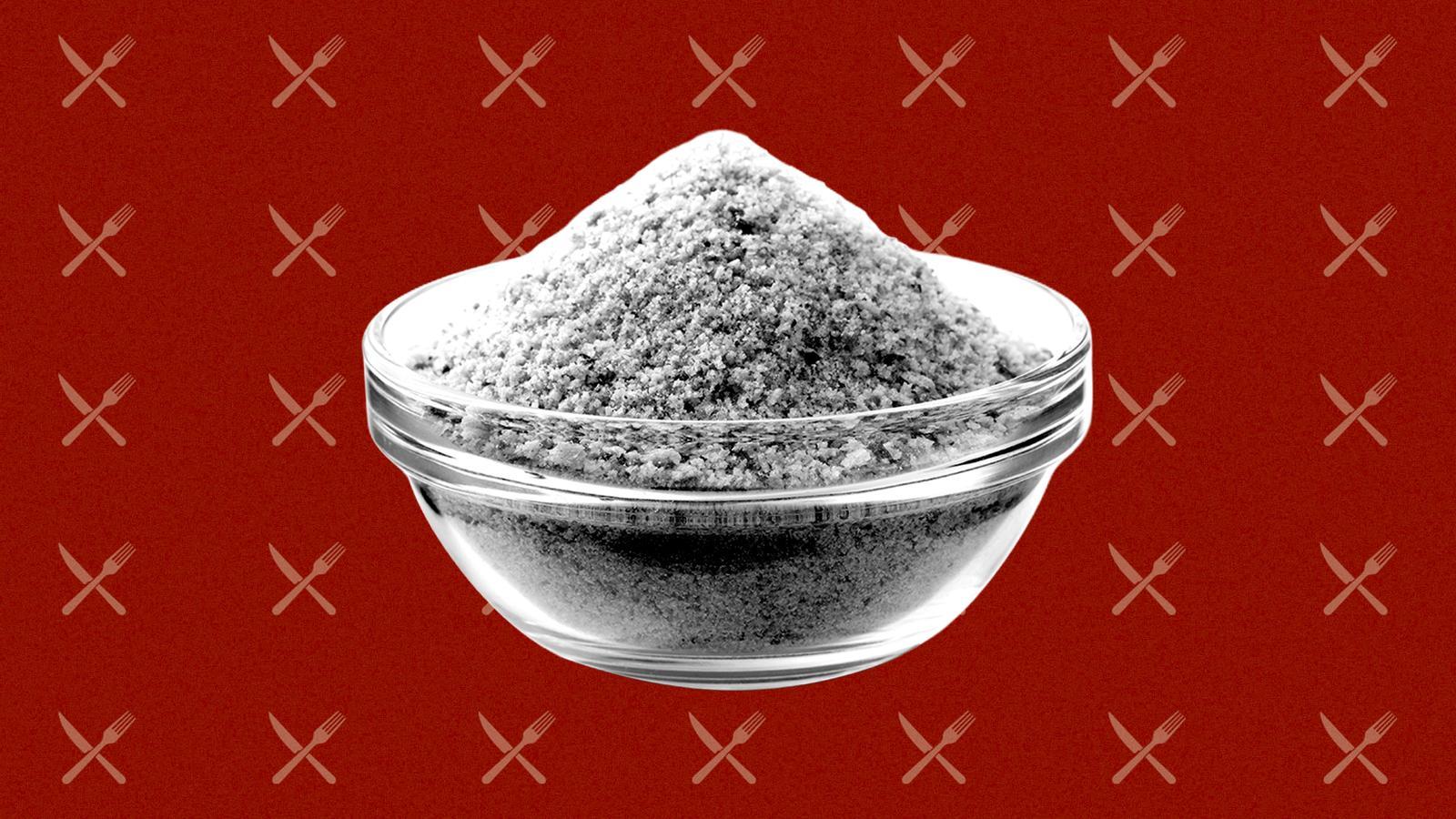
We throw dry bread in the trash but we buy breadcrumbs
The fight against food waste begins at home with small gestures, such as repurposing for other uses what we thought was for throwing away

-
CAT -
CAST
One in three food items ends up in the trash. The figure is staggering, and it should make us think about what we buy, how much we buy, and how we cook it. Chef Ada Parellada explains that she has seen a person throwing dry bread into the trash and, immediately after, buying a package of breadcrumbs. “It is neither ethical nor moral, because bread should not be thrown away,” she says, adding that she joined the fight against food waste out of indignation and anger at seeing facts like the one we have just recounted.
Always, with dry bread, everything had been made. In my house, my parents used to store it in a cloth bread bag and, when there was enough, on a holiday my father would prepare a large pan of migas. They used the same pan as for rice, they would fry the bread in it, crumbled into crumbs (hence the name) along with little cubes of bacon and some sardines. Watching him prepare it was quite a spectacle, because he would stir everything with a large wooden spoon, but there was also a moment when he would lift it into the air so that the breadcrumbs would detach from one another. The pan would arrive at the center of the table when everything was well fried; each person would eat what was closest to them with a spoon, and we would accompany it all with grapes.
French toast, a repurposed bread
Ada Parellada explains that at her home, her mother also used it for everything: that dry bread was soaked in milk, or fried together with sugar and cinnamon, turning it into a dessert for those with a sweet tooth, which with a scoop of vanilla ice cream was even better. There was a time when French toast appeared on the dessert menus of many restaurants. I hope they continue to appear there. Apart from this sweet, we can take another example, which is our essence as a cuisine: pa amb tomàquet (bread with tomato). Let me tell you a theory: whoever must have thought of it and prepared it must have been a woman, who took dry bread she had, toasted it, and to make it more tender, put ingredients she had on hand on top: tomato, oil, salt. It is one possibility among many, but it is certainly true that pa amb tomàquet is a resource for reusing dry bread.
Today, if you want to reuse stale bread but don't want to make migas, nor sweet toast, nor toast with tomato, you can grate it. You need a good blender, an electric hand mixer, or the third arm, as it was called at the beginning when the appliance that crumbles ingredients appeared on the market. Surely you have one, because it is one of the electrical appliances that have entered all kitchens en masse. Once you have the shredded texture you like, you store it in a package and you will have it ready to cook. It will not contain preservatives, like those in the packages bought in supermarkets, and, in addition, you will know exactly what bread it comes from to use it for certain preparations. Rustic bread, for example, is very good for breading fried fish, like whiting; on the other hand, baguette bread is better for breading chicken. But that is a matter of taste, and we will not make judgments here. We do, however, with the statements of chef Ada Parellada: “With half of the food that is thrown away we could combat chronic world hunger”. And another: “We must get involved in the fight, and we can do it with gestures as small as grating bread at home and not buying it”. There are many others, such as going to some of the Gastrorecup menus (until November 1st) that more than a hundred restaurants in Catalonia organize, which demonstrate that with twenty euros you can eat a delicious meal with food that was out of commercial circuits due to absurd criteria. When you return home you will look with different eyes at that stale bread you have in the kitchen.
