We have run out of mayors (and everything indicates there will be no remedy)
From 2000 to 2025 Catalan ports have captured 80% less, and if they are caught on Friday, the price is very low, at one euro

-
CAT -
CAST
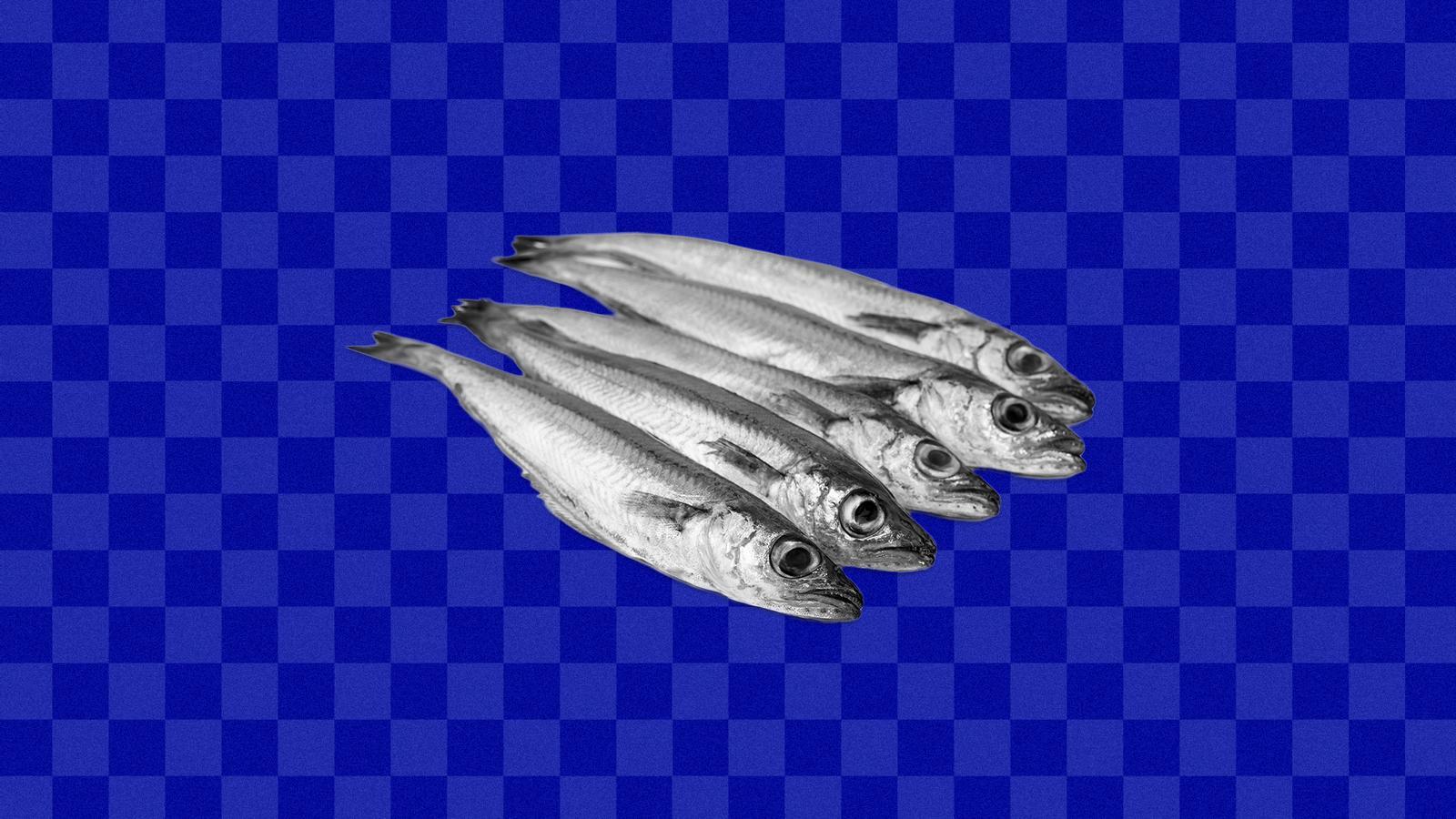
There was a time when we ate mayors for dinner (Micromesistius poutassou).We fried them, turning them over and over, with flour, and placed them on a slice of toasted bread well rubbed with tomato. It was a white fish that fell apart, with an easily removable central bone, with soft flesh, which was a delight if we poured a good stream of extra virgin olive oil over it. It was a good dinner, and with many advantages: nutritional and economic, because the sardines were cheap.
I explain all this in the past because we are running out of mayors. If a few years ago we assured that it was sardines that were decreasing, today we must make the eulogy for the sardines, which are also known as the poor man's lucians. At Mercabarna, the market of markets, they tell me that in 2025 they sold 780,000 kilos of sardines, while in 2021 more than a million. In addition, the majority sold last year were not from our coast: 60% came from Galicia, especially from A Coruña and Pontevedra, while between 10% and 8% were from Catalonia, especially from Girona.
Of Catalan jellyfish, then, very few. The Catalan Institute for Research on Maritime Governance assures that jellyfish fishing has drastically decreased. Before 2000, 3,000 tons were fished, while last year, 600. In other words, in 2025 our fishermen caught 80% less jellyfish compared to 2000. So, what is happening with our jellyfish? There are many reasons, and all of them together explain why.
They need cold and food to live
Let's start: anchovies need cold to live. It is a species that reproduces between December and March, months in which the larvae need plankton to feed. Due to the wind and the usual winter temperature drops, "the process called deep convection occurred, which caused a rise of deep water loaded with nutrients or essential food, which favored anchovy larvae, because they found abundant food there", states marine scientist Anna Bozzano. In recent years, winters have not been cold enough (except for this last one), and therefore the larvae may not have found food. If they don't eat, they can't live.
There would still be another reason: overfishing. "Fishermen catch them regularly when they are fifteen centimeters long, but anchovies do not reach reproductive maturity until eighteen centimeters," says Bozzano. In other words, they are legally fished, but it is done before they have reproduced, so there is no opportunity for there to be more. "It is permitted regulatory overfishing, but it is overfishing," emphasizes the scientist.
At the port of Palamós, the president of the Confraria, Miquel Mir, confirms that they catch very few, compared to in the past. "If we catch them on a Friday, the price will plummet, because on Fridays no one wants to buy fish to fry," so they might sell them for one euro. "If we catch them on a Monday, then at six euros; on Tuesday, at four, and so on, decreasing until Friday," continues Miquel Mir, who believes that anchovies may have decreased because they don't find enough food in the sea.
Finally, there is a popular reason, which everyone mentions, but which is not scientifically proven. It is believed that tuna have eaten the anchovies. "It could be, but there isn't enough documentation; the fact is that anchovies live between 300 and 800 meters deep while tuna are on the surface," states Bozzano. It is true that tuna can dive up to four hundred meters, but it is not usual. In fact, anchovies are the ones that are diving deeper than usual, because they find colder water there. "And in our area, the bottom trawls that fish at depth only go for shrimp, in the fishing grounds where fishermen know there are shrimp, and they never look for anchovies there," points out Miquel Mir.
