The trend of the first press oil: unfiltered, more expensive and very ephemeral
At this time of the year arrive two types of oil that are different: one is that of the first stream, with sediments, and the other is the green one, which is filtered

-
CAT -
CAST
Those dedicated to olives ensure that years ago no one would have thought that oil could be made from green olives, harvested at the end of September and early October. Tradition marked the months of November, December, and also January for harvesting them, when they had already acquired purple tones. It was done this way because higher yields were obtained: a January olive – wrinkled, withered – has lost its water, which is one of the components of the olive, and therefore produces more oil. Conversely, a green olive has all the nutritional components but requires a larger quantity to make oil, because the olive contains more water.
Years ago there were also other practices, today unthinkable, such as picking them from the ground. Currently, farmers use a type of vibrating umbrella that surrounds the branches of the olive tree, which catches the olive that falls when the tree is vibrated. The olives go from the umbrella to the trailer and from the trailer to the mill, without many hours passing between one action and the other. Within all these changes, for years there has been another trend, with a very good reception in the market, which is the first press oil. What exactly is this oil?
The one from the first ray, with sediments
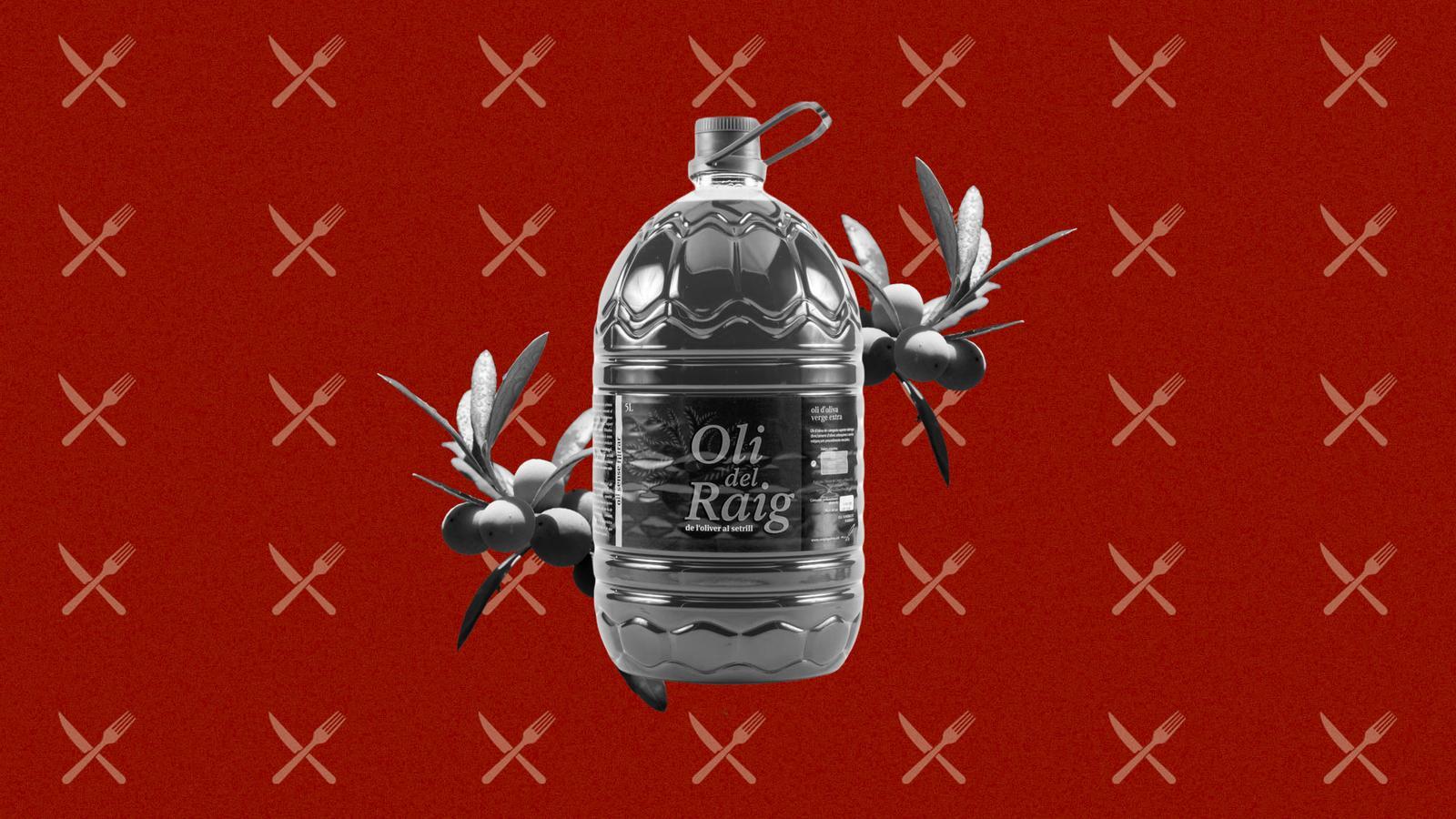
“L’oli del raig” (first stream oil), or first harvest oil, is an unfiltered oil. We will know if an oil is from the first stream if, when moving the bottle, we see sediments, remains of olive pulp. Precisely this is why the first stream oil must be consumed within a month or a month and a half. “If we take longer than the recommended time to use it, the first stream oil ferments and can have a slightly rancid taste,” explains Jordi Pascual, producer of Torclum oils and national head of olive oil at the Unió de Pagesos farmers' union.
However, there is another oil, made with olives from the end of September and October, which is green oil. This oil is filtered and has a long consumption time: up to two years. This oil should have a higher price than the first stream oil, which is unfiltered. It has one more step of production, although in both cases a large quantity of olives had to be used to make it because all the olives were green, that is, they contained water. Why is the first stream oil sometimes more expensive than the less known green oil? Because of fashion. According to Jordi Pascual, “the first stream oil is very fashionable.” And you can see it at fairs, where half a liter of this oil can exceed 10 euros. What should actually have a high price, because it has high production costs, is the green oil.
So, when buying first-harvest oil, the recommendation is to look at whether it is first stream, unfiltered, or green oil. We won’t know by the price, but rather we will have to check if it has pulp (in which case remember it will need to be consumed soon) or not. Another piece of advice, says Pascual, is to buy extra virgin olive oil at cooperatives or from small producers. “If you don’t buy it in those two places, then you have to be careful. I wouldn’t put my hand in the fire for many oils that are sold in large supermarkets,” he says, and adds that they know that every year olive oils made in Tunisia and Turkey enter from outside the State and the European Union and it is not known where they end up – and often it is not indicated on the labels where the food comes from, even though it is mandatory.

