Does taking creatine (or other supplements) really make you stronger?
The interest in physical exercise and in having a certain type of body has made its consumption grow

-
CAT -
CAST
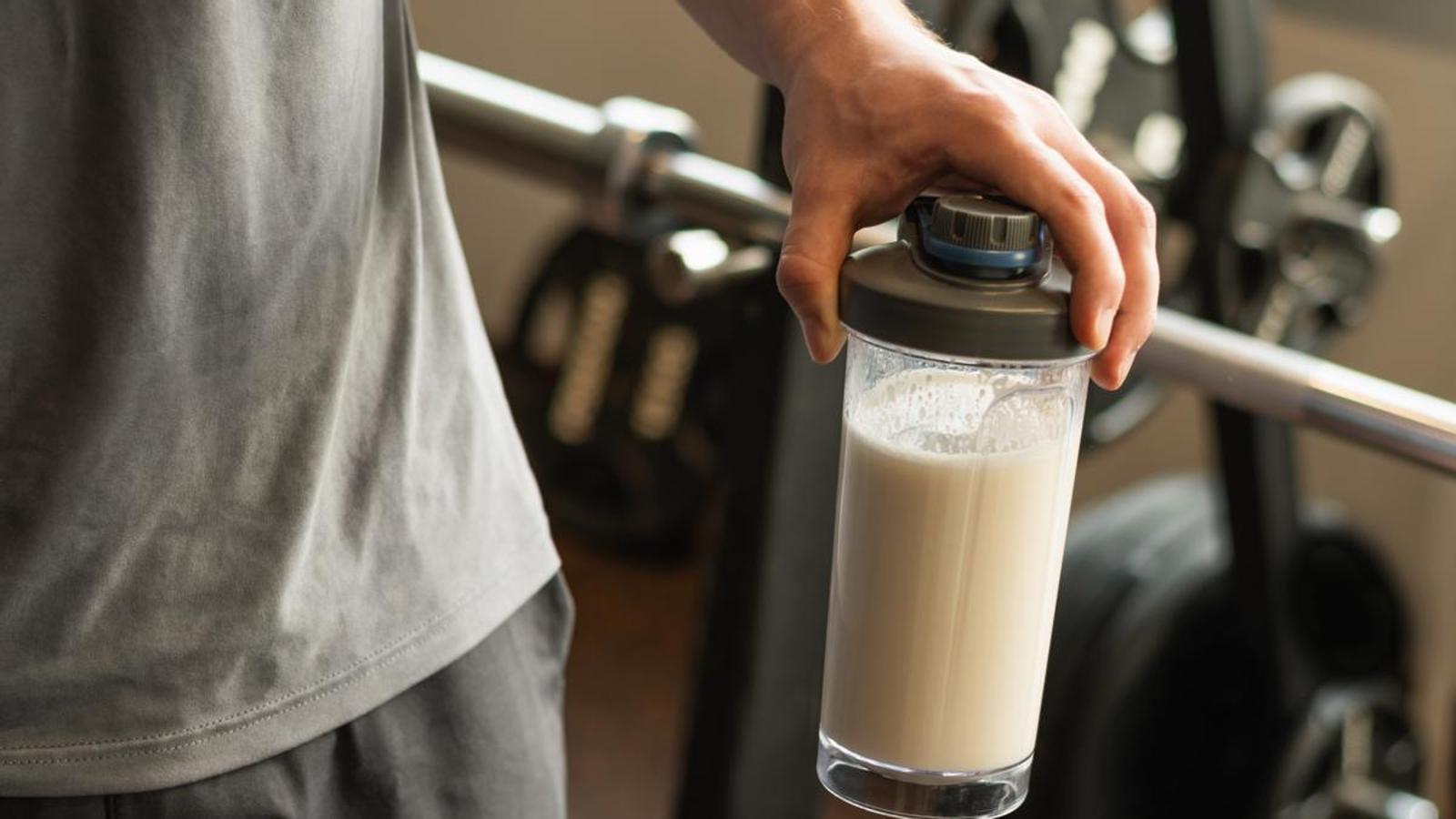
BarcelonaTo improve muscle strength, to increase endurance, to have more energy, to have better performance, to recover faster from a tough training session... The growing interest in the gym and the obsession with perfect bodies have increased the consumption of a series of products designed to perform better and more during workouts and achieve better results. It is a fever for supplements such as protein shakes, creatine, magnesium, omega-3, or vitamin D, among others, which have become popular in recent years, especially through social networks like Instagram or TikTok. In some cases, the recommendation comes from users who do not have the training or expertise in nutrition or sports medicine, and experts warn that before starting to take any of these supplements, one must consult a professional.
"Before starting to take any supplement, daily nutritional habits must be improved. Introducing more vegetables, cereals, healthy fats, and fiber into our diet is very important; there is no magic pill that can replace them," warns Maria Antònia Roig, a nutritionist at the Endocrinology and Nutrition Service of the Hospital del Mar. The expert says that the most common problem they encounter in consultations are people with very unbalanced diets, who have significant deficiencies in foods very relevant to health, which are compensated with supplements. "They think that because they take protein, creatine, and go to the gym, they already have a healthy lifestyle, and that is not the case," she insists. Therefore, without training and without a solid nutritional foundation, these supplements lose their meaning.
Of all the supplements available, protein supplements are the most successful. In fact, supermarket aisles have transformed in recent years, and now we can find all kinds of protein products that promise better health with an extra protein intake. The range is increasingly wide, from enriched yogurts, cereal bars, and bread to shakes with added protein designed to build muscle mass and accompany a healthy diet. The message from the food industry is simple: more protein, the better. Experts, however, warn that the amount of protein to be consumed varies depending on each person and that in no case should intake be increased if it means stopping the consumption of other nutrients equally important for health and for a balanced diet.
According to traditional dietary guidelines, a healthy adult should eat about 0.8 grams of protein per kilogram of body weight per day, but more modern studies conclude that intake should be between 1.1 and 1.2 grams per kilogram. In infants, on the other hand, needs are much more modest and are adjusted to weight and growth stage. However, there is no clear consensus among professionals, although they do agree that very high protein intake should be avoided among the general population, especially when there is no clear clinical or sports justification. There are indeed certain population groups, such as the elderly or pregnant women, who require a higher protein consumption, clarifies Roig.
The rise of creatine
Another of the supplements that has the most success is creatine, according to Lorena Delgado, a nutritionist at the Sant Joan de Déu-Hospital Clínic Sports Medicine Unit: "It is one of the most frequent consultations". It is a natural compound that the body produces and is mainly obtained from red meats, fish, and chicken. In recent years it has become popular as a supplement because it has been shown to improve muscle function among people who do strength training at least three times a week. In this case there is demonstrated scientific evidence, since since the 1970s it began to be studied and its effectiveness has been proven. However, both Roig and Delgado insist that, despite the scientific evidence, creatine is not for everyone nor should it be taken indiscriminately.

Delgado remarks that it is a “much safer” supplement and one of the most studied, but recalls that it only makes sense when there is a solid basis of training and nutrition. “It’s not about taking it and already having more strength,” he explains, but rather it acts as a rapid reserve of muscle energy that can only be leveraged if the muscle is truly worked with exercise. In this regard, he warns that many people directly associate creatine with protein and forget other essential nutrients like carbohydrates, which are essential for energy. “First we have to review how we are eating, because if not, it makes no sense to supplement,” he insists. In fact, he assures that one of the most frequent consultations is whether to take creatine or other supplements, and the answer usually always starts from the same point: reviewing the diet.
Roig agrees and adds that, although creatine can provide a slight improvement in muscle mass and make muscles more efficient, its effects are limited and depend on many factors. Furthermore, he recalls that it must be taken regularly and with good hydration. Without these requirements, its impact is minimal. Both experts also agree that most people who take supplements would not need them. Delgado points out that, in people who exercise moderately or simply want to stay healthy, he would not recommend supplementation. Only in cases of more demanding training or very specific goals may it make sense as a “plus”.
The risk of body worship
Another aspect that is of particular concern is the use of supplements in young people. Delgado is clear: she would not recommend supplementing minors under eighteen unless in very specific situations and under professional supervision. “With food, we can achieve many things,” she argues, and advocates for exhausting all nutritional options first before resorting to supplements. Roig, for her part, insists that behind this phenomenon there is also a matter of convenience and lack of time. Many people opt for shakes or processed products instead of cooking, which impoverishes the diet and can lead to nutritional deficiencies. “It’s easier to have three protein shakes a day, but that doesn’t replace a good diet,” she warns.
Excessive attention to diet can lead to obsessions, which in turn can lead to an eating disorder, such as orthorexia, which is an extreme concern for health through healthy eating. A high and sustained protein intake, for example, can impact bone and cardiovascular health, which is why she insists that large intakes should be avoided, especially if the person has an underlying condition or risk factors, such as high cholesterol. However, the professionals consider the type of protein consumed to be a key factor to consider.
Both experts agree that supplementation has arrived to stay, driven by an industry with significant economic weight and by social media popularity. But they also stress that it must be approached with criteria and, above all, without losing sight of the essential. For Delgado, the fundamental question is not what supplement is being taken, but why it is being taken. She explains that she often encounters people who seek to achieve idealized aesthetic standards, influenced by social media, and who end up adopting unhealthy habits. “We are normalizing putting the body in unhealthy situations to achieve an unrealistic body image,” she warns.
This pressure, she says, has caused many people to disconnect from the pleasure of eating and exercising, and turns them into tools to achieve a physical ideal. Therefore, she defends the need to recover a healthier relationship with the body, nutrition, and physical activity, based on well-being and not just on appearance. In short, the experts' message is clear: before seeking quick results in the form of supplements, a solid foundation must be built with good habits. Only then, and in specific cases, can supplementation play a truly useful role.
