Arrop is a sweet so old, that 'The book of Sent Soví' indicates it in many of the recipes
It is prepared by candying and reducing fruits such as figs, grapes, and prickly pears, and it is eaten as a sweet condiment for the dishes we want

-
CAT -
CAST
Arrop exists. It is the literary offering that the shepherds propose to bring to the newborn Baby Jesus along with fresh bread, cheese, honey, and cottage cheese. When the writer Josep Maria Folch i Torres wrote the play Els Pastorets he must have turned to the most precious and beloved foods, among which was arrop. Today it is still a good food, and we can prepare it at home, right now, with the fruits that still linger from the summer.
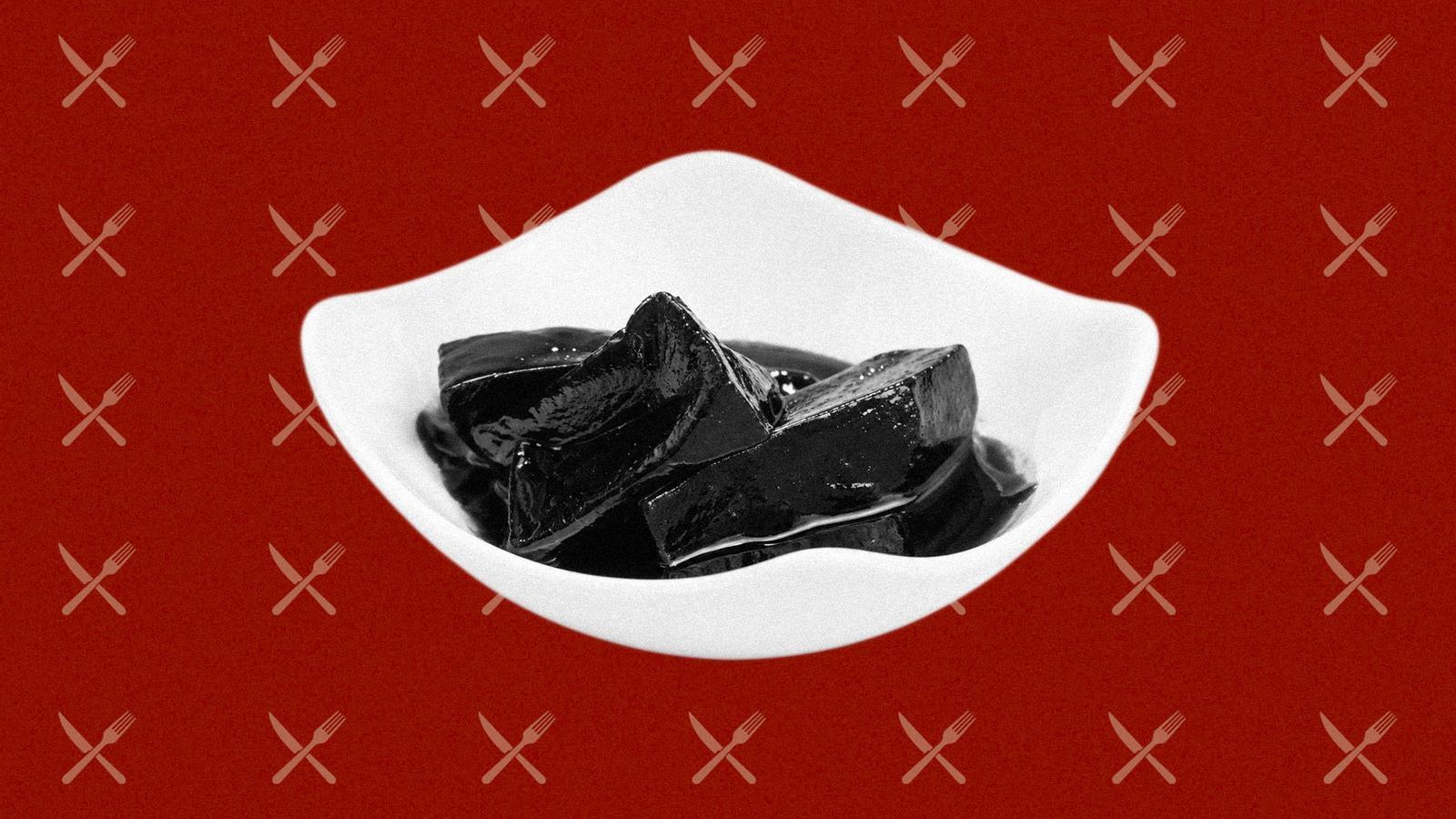
At a stall in the farmers' market of Ciutadella de Menorca, a farmer tells me that he prepares the 'arrop' by candying fruits and then reducing them. The result is a glass preserve jar, like the usual ones for jams, containing a dark, black liquid. "We use it especially for All Saints' Day, to dip the fritters in," he explains. The jar costs eight euros, the same price at which he sells a jar of capers and another of 'figat' (fig jam), and I ask him how he has prepared the 'arrop'. In a large pot, he has candied summer fruit, especially figs, grapes, and prickly pears. Once they have been candied, when all the fruits have turned into a unique and homogeneous paste, he has transferred it to another pot to reduce the liquid over low heat. This second cooking is what caused the 'arrop' to turn into liquid. Afterwards, he poured it into the glass jar, sterilized, which he prepared in a bain-marie. For All Saints' Day, in Menorca, the fritters are dipped in 'arrop' and it can also be done with honey. Both options are good. For his part, the chef Joan Bagur, who is in charge of all the kitchens of the Vestige Collection Menorca group, confirms the recipe to me and tells me that it is very much alive, that it is eaten on November 1st, but in homes it is also common to have it all year round, as a natural substitute for sugar.
From Menorca to 'The Book of Sent Soví'
While the Menorcans season dishes with arrop, in the oldest recipe manuscript of our country and of Europe, The book of Sent Soví (consult the wonderful edition promoted by the missed Paco Solé Parellada at the Barcino publishing house - 7 Portes), we find the word arrop in several recipes, including savory ones. At no point does it describe how it is made, but rather mentions it to complete a dish along with salt and vinegar. Perhaps back then arrop was so common that it was not necessary to describe how it was made. It is a hypothesis that we can maintain because the book describes step by step recipes that we can still make at home today: and I refer, for example, to the porrada.
Be that as it may, we can incorporate arrop into our recipes today. It is the sweet that we can have made and ready, just to put on top of the dishes we want. It is a natural sweet, and today we should say that it is a very good leftover recipe. In a summer and early autumn in which our fruits have been scorched on the trees, I cannot think of a better way to take advantage of them before they all end up on the ground.
And I end with the verses from the play Els Pastorets, as they are performed at the Círcol Catòlic in Vilanova i la Geltrú, in which we still hear the word arrop, which fortunately really exists.
What shall I give to the Mother's Boy.
What shall I give him that he will find tasty?
I would give him fresh bread and cheese.
And a small plate of honey and cottage cheese.
If I were to find something very good!
Give him syrup of the best kind.
