Trump's failed energy truce

-
CAT -
CAST
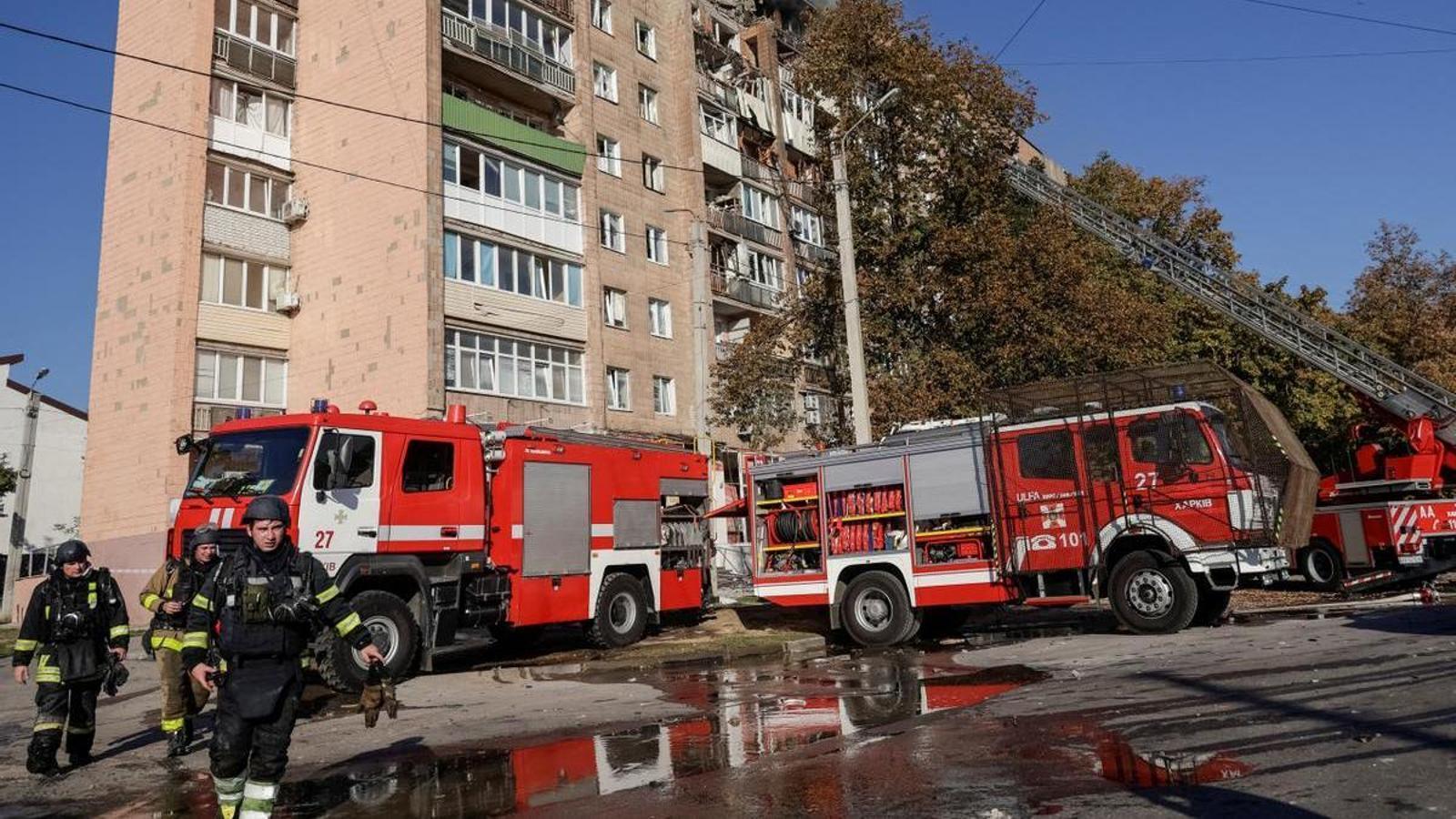
The so-called "energy ceasefire" between Russia and Ukraine announced by Donald Trump has not even begun. When he tried to impose it on Sunday, Volodymyr Zelenskyy replied that he knew nothing about it but that they would accept it. "We are ready to respect an energy ceasefire if Russia is ready to do the same," he said. As of this edition's deadline, Russia has officially said nothing about it, but it hasn't been necessary. Last night, Russia attacked a power plant in Kharkiv and a gas production plant and a service station in Zhytomyr, according to Kyiv.
In reality, beyond the Ukrainian citizens who see winter approaching, the person who seems most interested in this truce is Donald Trump. He is aware that the midterm elections are approaching with inflation through the roof and fuel prices skyrocketing due to the war in Iran, which he himself started. That is why he agreed with Putin on the purchase of 300,000 tons of Russian diesel, probably insufficient to change the price dynamics in the United States but a good headline before the elections... and a breath of fresh air for the Russian economy. It is no wonder that, when after this announcement Ukraine attacked a Russian oil export plant in Novoshakhtinsk, Trump responded by attacking Zelenskyy. "It is time for Ukraine to have another president," he declared.
Trump has gone so far as to point to Zelenskyy as the culprit for the global rise in fuel prices: "We told him that he could do whatever he wanted with Russia, but no attacks on refineries, because it is causing a global problem," he said. It may suit him to turn Zelenskyy into a scapegoat, but it is unlikely that he will succeed. In any case, Europe must take note of the situation.
The European decision to accelerate the manufacturing of drones together with Ukraine advances in the line of guaranteeing the defensive autonomy that Europe needs. Especially from the statements of the NATO military commander-in-chief in Europe, General Alexus Grynkewich, who yesterday explained how he believes the Atlantic Alliance should act in the face of an attack on allied territory. "My theory of victory is simple: we will block the initial attack. If the attack persists, we will neutralize it and prevent the enemy's advance. And if necessary, we will break the enemy forces and the operational combat system that is deployed against us," he said. In other words: he would avoid an immediate counterattack in the face of an operation against an allied country. "We are not looking to inflict a strategic defeat on our adversary. We do not need to. We only seek to stop any attack in its tracks and prevent them from seizing our territory and holding it," he added.
In this context, yesterday's announcement of the broadest battery of sanctions the European Union has ever launched against Russia seems insufficient. It incorporates nearly 1,600 names linked to the Russian military-industrial complex to the list of sanctioned persons and entities, but it comes while the United States, on the other hand, eases the Russian economy with the purchase of diesel. This purchase, Trump's attempt at a truce, the North American president's statements against Zelensky, and the assertions of the NATO military commander should make it clear to the European Union that it has no choice but to act in a more decisive and cohesive manner. Because, once again, it cannot rely on its old partner on the other side of the Atlantic.
