Clarify the accident and review the model

-
CAT -
CAST
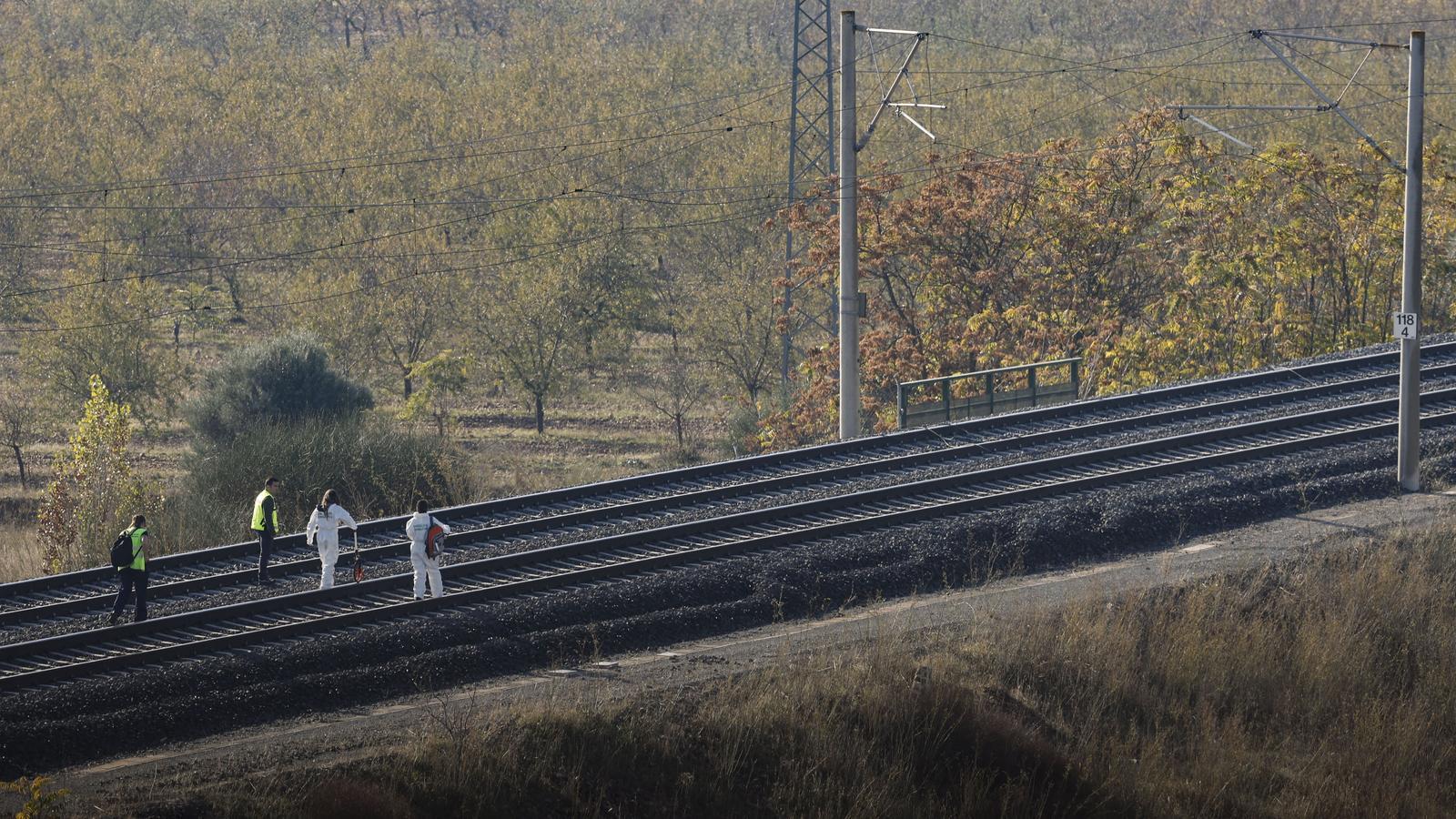
BarcelonaWhen such a terrible accident occurs as the one in Los Yébenes, in Toledo, and previously the one in Adamuz, a commotion and social alarm are produced that are so high that there is a tendency to seek quick answers where there are none. Experts point out that accidents are always multi-causal, and that it is not always easy to find a concrete explanation for them. In any case, two levels must always be distinguished. First, it is necessary to identify the error or the chain of errors that led to the misfortune. And second, to analyze the underlying causes that made the error possible.
In the case of Toledo, it is possible that the trigger for everything was human error, as the Ministry of Transport claims. But this does not prevent the entire system from having to be evaluated from top to bottom. From the outset, as the hours go by, it is becoming known that there were already alerts about the risks of switching to the manual system to direct traffic when the automated one failed, which is what happened in Toledo. A report by the state accident commission pointed out precisely in 2024, in reference to a case that happened in Cuenca, that human verification "is susceptible to failure." "This barrier [visual identification of the track] is susceptible to failure, as it depends completely on the human factor, which highlights the need to implement mitigating measures of a technical nature," stated the text that can be found on the Ministry of Transport's website.
Therefore, beyond identifying the specific causes of the accident, it will be necessary to rethink whether it is possible for trains to continue circulating manually as they have until now when the electronic security system falls, which stops the trains when it detects any anomaly in the network. The Spanish network is immersed in the migration of one of these systems, the LBZ, which is considered safe but old, to the ERTMS, which is more modern and compatible with Europe. This is not the case, however, for the line where the accident occurred, where the change has not yet begun. But it is still worrying that the system fails with a certain frequency, as train drivers denounce. But it would also be necessary to see if the maintenance level of the security system is adequate for a network that is the most extensive in Europe, but with much less intensive use despite the entry of private operators and the multiplication of passengers in recent years.
Ultimately, and beyond whether Minister Óscar Puente should resign or not, what is needed is to see if the system is, as a whole, well designed and equipped with resources to support current traffic or if the entire model needs to be rethought. It is important to point out that the commitment to high speed is not exclusive to a single party, although it is true that the great leap occurred following the promise made by José María Aznar in his investiture speech in the year 2000, when he promised that within 10 years all provincial capitals would be less than four hours from Madrid by train. In 2005, Spain already had 1,000 km of high-speed network, and today it has more than 3,000. A jewel in the crown that is in question today.
