Is Merz the leader that Germany needs?

-
CAT -
CAST
BarcelonaAngela Merkel held the German chancellery between 2005 and 2021, 16 years during which she exercised undisputed leadership in her country that also extended to Europe. Her formula combined economic austerity with gestures of great moral stature, such as the opening of borders to Syrian refugees during the 2015 crisis. Managing her legacy, however, is proving especially complicated for Germany, with a stagnant economy and a rise of the extreme right that was unthinkable just a few years ago.
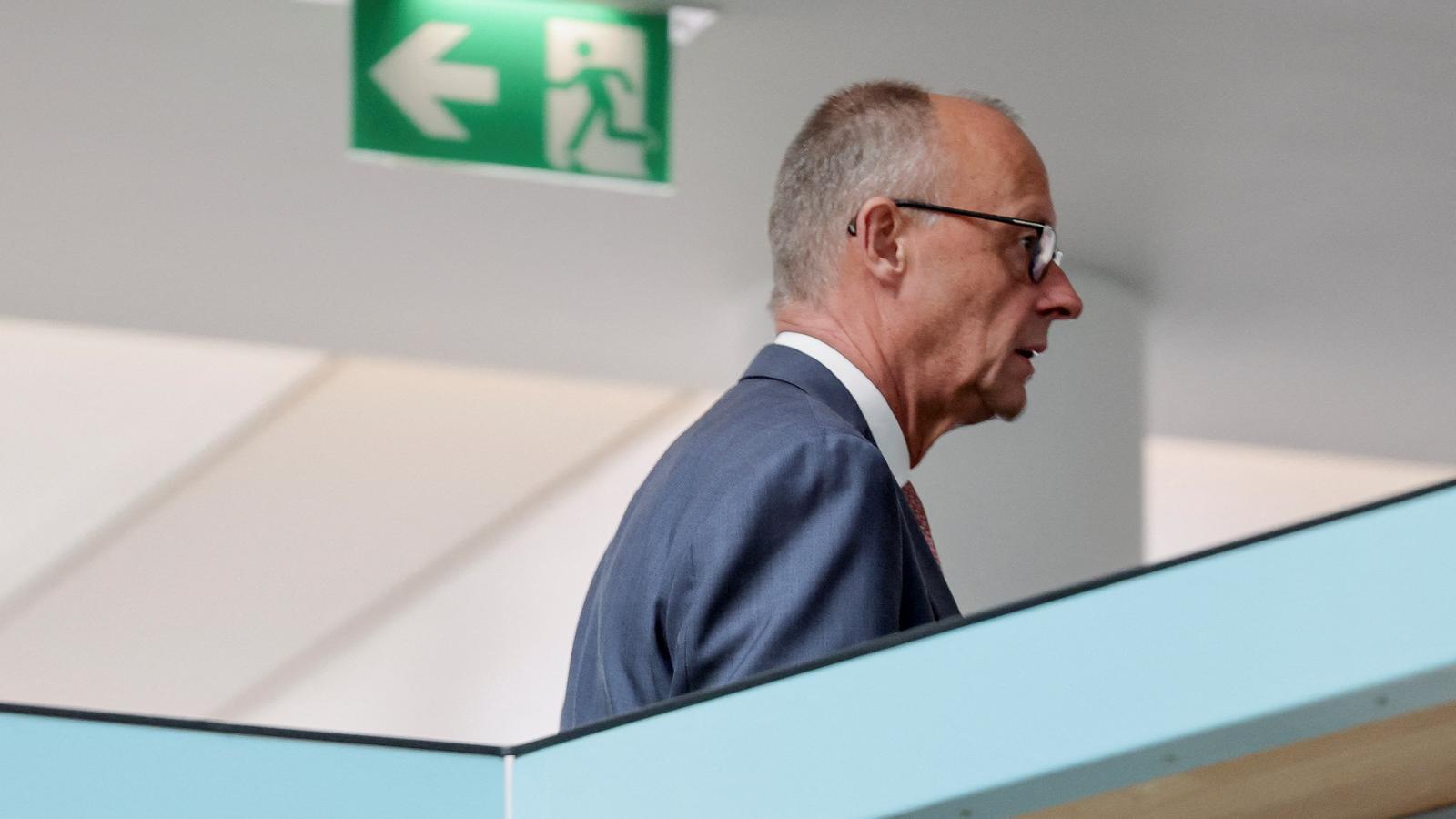
The fact is that neither the socialist Olaf Scholz before nor the Christian Democrat Friedrich Merz now have managed to become the leaders that not only Germany but also Europe needs in especially complicated times. The formula of the Grand Coalition, which at other times had been praised as an ideal formula both to avoid the influence of extremist parties and to implement structural reforms, is not working due to disagreements between the partners.
Having reached this point, and after the electoral victories of the AfD in Saxony-Anhalt and Mecklenburg-Western Pomerania and the defeat of the CDU, it is time to rethink many things. Merz has expressed his desire to continue in the chancellery, but voices are beginning to emerge within his own party questioning his leadership. The problem for the CDU is that there is also no internal consensus on what path should be taken. There are those who consider that the coalition with the Social Democrats is a burden and that more liberal and restrictive immigration policies must be implemented, and there are those who consider that the opposite must be done, to mark the border with the AfD much more clearly and save the coalition. Where there is consensus between one side and the other is that Merz's figure has been left very weakened and it is very difficult for him to hold out under these conditions until 2029.
For the rest of Europeans, however, it is essential that Germany does not deviate from what has been its course since the end of World War II and does not fall into the anti-European and nationalist temptation represented by the AfD. The CDU has been the party of great European leaders such as Konrad Adenauer, one of the founding fathers of the EU; Helmut Kohl, and Merkel herself. The latter has been very explicit about the need to maintain the cordon sanitaire with the AfD, but there are other leaders, such as the head of the European People's Party, Manfred Weber, who is in favor of moving closer to the far right (this Monday Weber visited Ceuta alongside Alberto Núñez Feijóo). For her part, the President of the European Commission, Ursula von der Leyen, also from the CDU, shone with her own light during the last European legislature, in which the pandemic was fought and the Next Generation funds were launched, but now she is completely missing. Europe needs Germany to get its act together and have a leader up to the circumstances. And it is not at all clear that this person is Friedrich Merz.
