How can we make forest management profitable?

-
CAT -
CAST
BarcelonaOften when we see old photos of mountain villages, there's something that catches our attention: there are far fewer trees than now. Indeed, until the mid-20th century, wood was the main fuel that heated houses and there was an entire economic sector dedicated to it. With the change in the energy paradigm and the introduction of fossil fuels and electricity, forests and wood ceased to be profitable, and the result is that the forest mass has multiplied to such an extent that it now occupies 70% of the territory in Catalonia. Less wood is consumed, and moreover, what is consumed is mostly from abroad, specifically 80%.
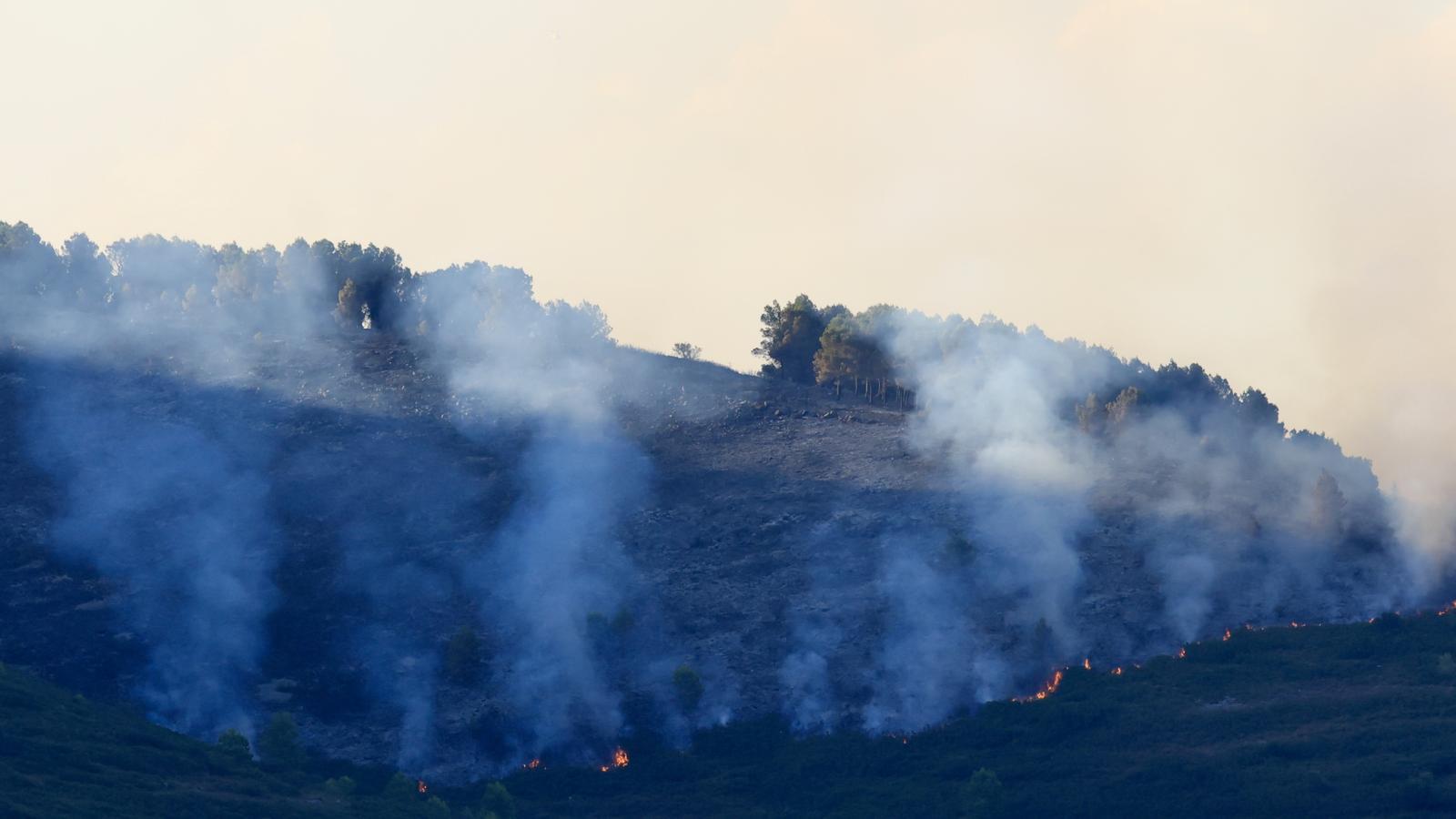
Given these figures, and with the experience of the devastating fires that this summer have affected Empordà and Castelló, as well as other parts of Spain, such as Madrid and Andalusia, and Europe, the question is obvious: is it possible to increase the consumption of local wood with the aim of improving forest management and removing potential fuel for fires? The answer to this question is not simple. Firstly, because we must assume that if wood is imported, it is because wood from abroad is cheaper; therefore, some kind of subsidy would be needed here so as not to pass the price on to the consumer. And secondly, because right now the wood sector, and consequently the resources that the Generalitat allocates to it, is relatively small, so a significant change in paradigm would be necessary, of which the administration would have to be the main driving force.
Change must come in two directions: from the production side and from the consumption side. Experts point out that the use of biomass for heating could be multiplied, starting, for example, with schools and other official buildings that currently consume gas or other fossil fuels. But also in private homes. Only if there is demand for a product can a sector be built around it – or in this case, recovered. And this is where all of us, as consumers, can have an impact.
In any case, it is evident that if we want to have manageable forests, we must also make them profitable and, therefore, viable for the people who want to dedicate themselves to them. Large forest masses may be pleasant to the eye or for photos, but they are a bomb about to explode in a context of rising temperatures due to climate change. The commitment to the forestry sector also has many other advantages that make it particularly necessary: it keeps people in the territory and rebalances the economy.
It is very unlikely that in the future there will be as many shepherds as in the past, nor a countryside with as many farmers, but there must be enough people working in the territory so that it does not deteriorate and go from being a postcard to becoming a threat to humans themselves and all the flora and fauna that inhabit it. Consuming Catalan wood may seem like an easy slogan, but in the long run it is likely to become an environmental necessity.
