Mireia Yter: “Young people must be at the center of socially responsible innovation”
Chair For Socially Responsible Digital Innovation (SoReDI) - Esade
-
CAT -
CAST
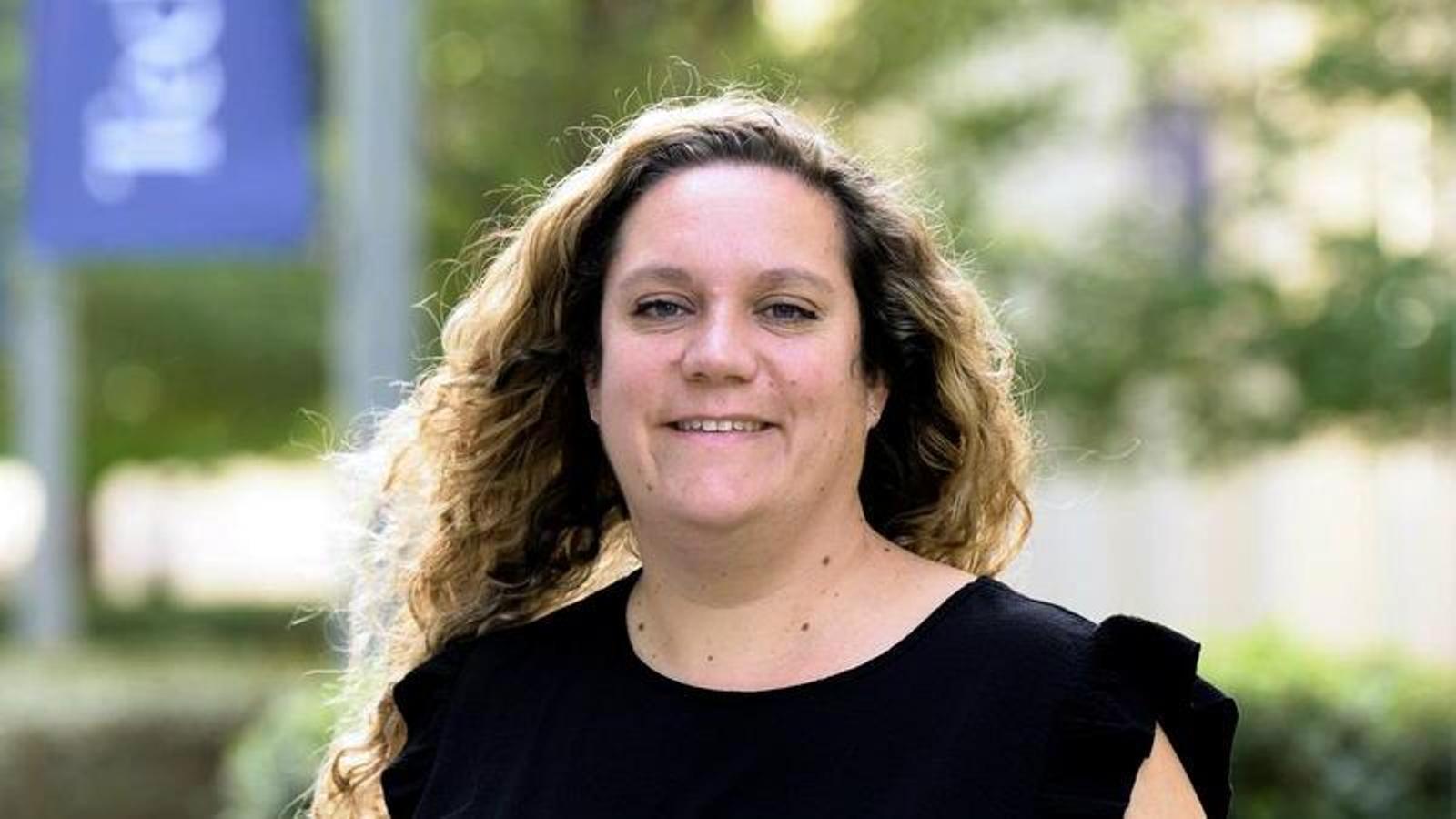
Mireia Yter, PhD in Sociology and researcher at the Chair for Socially Responsible Digital Innovation (SoReDI) at Esade, studies the relationship between young people and generative artificial intelligence. The expert warns of the need to preserve human relationships and protect the relational well-being of young people to prevent the use of this technology from fostering unwanted loneliness.
What does it mean for a technological innovation to be truly responsible and at the service of people's well-being?
— At the SoReDI Chair, we focus our research on the triangle formed between generative AI (specifically conversational AI systems), young people, and unwanted loneliness. In this context, we believe that innovation that is socially responsible must be so with the relational well-being of young people. That is, an innovation that, instead of generating emotional dependence on the model, improves human bonds both in terms of the quality of the bonds a person maintains (their reciprocity, security, plurality, and capacity to generate a sense of belonging), and in terms of their capacity and agency to cultivate, repair, and expand them with autonomy. How can we assess its social impact? From our perspective, the assessment must be in terms of unwanted loneliness. That is, understanding that the relational well-being of young people has an impact on levels of unwanted loneliness and that it is a reality that must be addressed.
What social risks must we keep in mind regarding the expansion of artificial intelligence and how can we prevent digital transformation from generating new inequalities?
— The main risk is that conversational AI systems offer the promise of companionship without considering the aspects related to the very nature of human relationships, such as: negotiation, mutual vulnerability, reciprocity, limits, or boundaries and obligations. In short, everything that implies otherness in a relationship. Conceiving relationships without these characteristics has a significant impact on what we expect from a relationship with another person, based on what conversational AI systems offer us: permanent availability, immediacy, memory, non-judgment, and constant validation. These characteristics are far from how human relationships develop, thus creating a significant gap between what we would like and what social reality can offer us.
How can we measure if technological advances really contribute to improving the well-being of society? What indicators should we take into account beyond economic ones?
— The indicators we should take into account pivot around unwanted loneliness in adolescents and young people. Although a cause-effect relationship cannot be established between the adoption and use of conversational AI systems and unwanted loneliness, it does seem reasonable to think that a certain association exists. Therefore, the indicators that we believe would be useful have to do with the socio-relational aspect. The feeling of belonging, social connection, social trust, and, ultimately, the levels of social cohesion can be the reference indicators if we want to measure whether technological advances contribute to improving the (relational) well-being of society.
What role can Catalan companies, universities, and knowledge centers play in the development of technology that is more ethical, inclusive, and internationally competitive?
— Companies play a key role in the development of tools that are responsible for the relational well-being of young people. One of the aspects that these companies should cover is the co-creation of their technological proposals together with young people. Young people must be at the center of socially responsible innovation. We must be able to count on their voice and make them participants in the design of the technological future.
How can organizations like GRAUSTIC contribute to connecting the business, educational, and technological worlds to foster responsible innovation with social impact?
— Organizations like GRAUSTIC can act as facilitating entities and generators of spaces for trust and dialogue between the different sectors involved in socially responsible innovation. These spaces are highly necessary to link often disconnected visions around the same reality. The promotion and enablement of these spaces are a primordial element in building the path toward socially responsible innovation in the digital environment.
