Joan Clotet: "The more digital the world is, the more human we must make it"
Expert in digital humanism, leadership, talent and transformation
-
CAT -
CAST
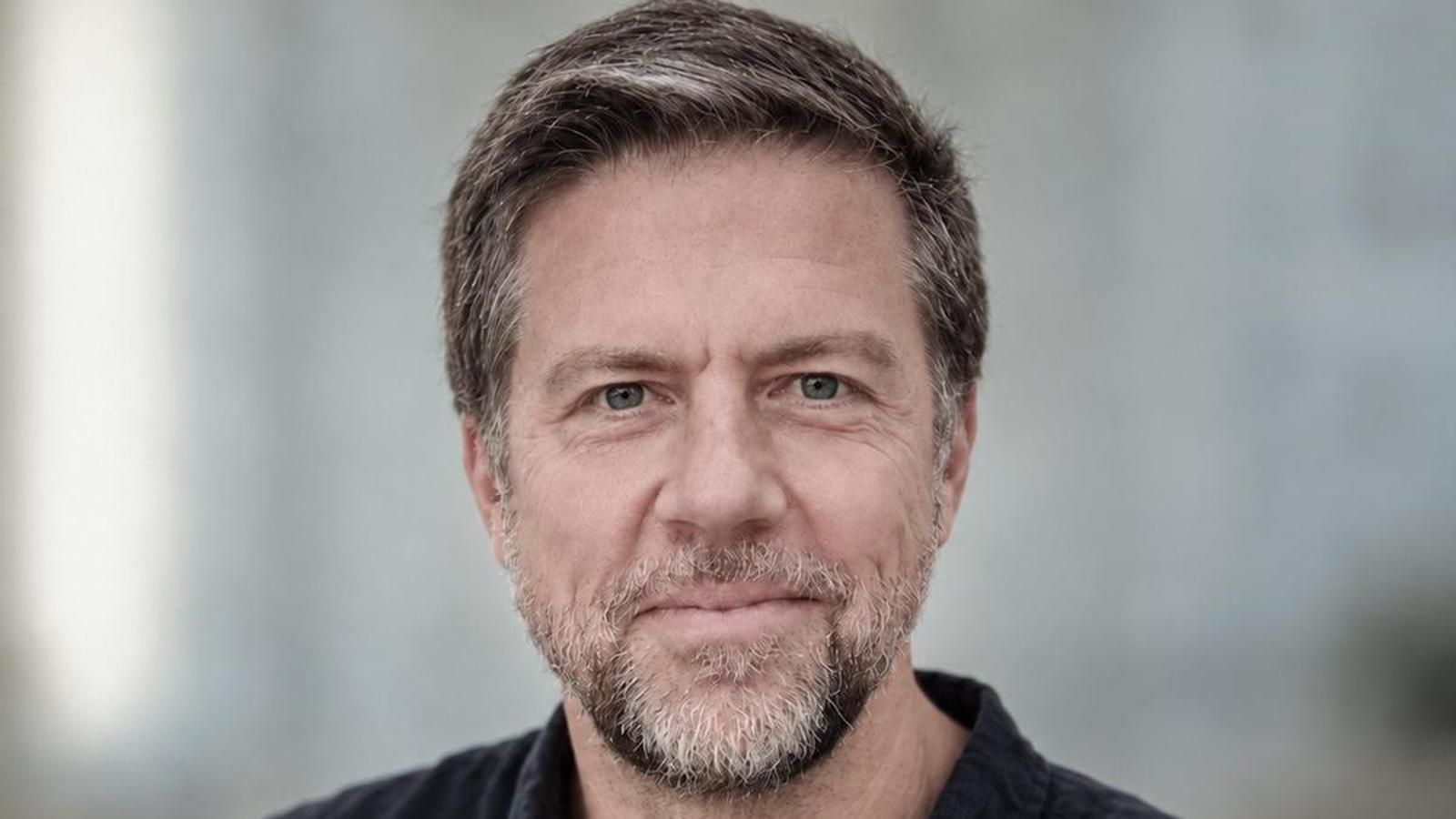
Joan Clotet, an expert in digital humanism, leadership, talent, and transformation, reflects on the reach of technology in our society and the need to reflect before throwing ourselves with open arms into the next novelty. It is necessary to have criteria and invest in what makes us human.
We constantly talk about artificial intelligence, automation, and innovation. But what should be the true purpose of technology?
— Being at the service of people and our challenges. Success should not be measured by what technology is capable of doing, but by what it allows us to be and achieve as a society. Technology is an essential ally for overcoming the many challenges we face and should always be at the service of meaningful purposes and people with values.
We often measure technological progress by its ability to do things faster or at a larger scale. What criteria should we incorporate to know if a technology also makes us live and work better?
— It is necessary to incorporate brave questions and sufficiently diverse conversations in the design phases. It should be essential and increasingly regulated to clearly anticipate risks. Also, do everything possible so that all users can decide with full knowledge of the facts. We all need to reflect personally on the negative impact of technology on our lives before throwing ourselves into the arms of the next novelty. As an example, a technology that increases the productivity or gains of a few while deteriorating the capacity to think or relate of a majority is not progress.
How can organizations integrate artificial intelligence without leaving aside human qualities such as judgment, empathy, and responsibility?
— Well, by investing in people as much as, or more than, in technology. I believe it is time to place greater value on everything that only we humans can do. Artificial intelligence in particular is cognitively powerful and perverse at the same time. The great risk is not that it "thinks" better and better, but that we stop doing so ourselves. A good starting point is to reflect on what makes other people prefer us, when we all have increasing access to AI-based services. We all need to invest in what makes us human, what no technology can do, and what other people value and are willing to pay for.
What kind of leadership do companies need to take advantage of the opportunities offered by new technologies without losing sight of people and talent?
— Well, one that is more humanistic and transformative. We need leaders with openness and technological curiosity and sensitivity to human value. People capable of understanding the opportunities of technology, but even more so of listening, generating trust, developing talent, and accompanying others through uncertainty towards the future. Future-proof leadership does not consist of having all the answers, but in knowing how to ask good questions, developing judgment within teams, and creating environments where people want to learn and contribute value. The more technological our environment becomes, the more necessary humanistic leadership becomes, and we, as people, are only inspired by other people.
How can we ensure that technology makes Catalan companies more competitive without losing the human factor or creating new inequalities?
— In Catalonia, according to Pimec, SMEs represent 99.8% and contribute 60.4% to the Catalan economy. If, while they are small, they neglect the human factor, they are failing from the foundation. Every entrepreneur should ask themselves from the beginning the reason for their business and what role people should play in its success. Perhaps technology will do more and more, but a humanist and digital company knows how to always keep the combination of human and technological capabilities balanced. It often involves investing and ensuring that no one is left behind due to a lack of learning opportunities. It is necessary to support companies that combine technological innovation with the development of talent and human value that provides confidence.
What strengths does Catalonia have in talent and digital knowledge? What should be promoted to turn it into an international benchmark in human-centric technology?
— Catalonia has a very valuable technological, university, and business ecosystem. We also have a tradition of creativity, entrepreneurship, and social sensitivity. The great opportunity is to better connect these worlds and commit to an innovation that incorporates ethics and the development of people. We should aspire to be benchmarks in the responsible application of technology. I believe it is possible to build competitive and innovative companies without renouncing the well-being, inclusion, and dignity of people. It is worth remembering, by the way, that technology is also made by people and that, in a time of high demand, they work where they want and feel better treated.
How can entities like GRAUTIC contribute to connecting talent, knowledge and companies to drive a responsible technological transformation with real impact?
— Creating spaces for gathering and honest reflection among technology professionals, companies, educational institutions, and human development experts. Great challenges are never solved from a single discipline. We need more dialogue, more collaboration, and a shared vision of the progress we want. We need to debate not just what we can do with technology, but what we want, for what purpose, and to anticipate the consequences for people and society. Any entity capable of convening and uniting interests deserves support.
If I could change one aspect of the way companies currently use technology, what would it be and why?
— I would stop asking myself how many people we can replace with technology and would start asking myself how we can multiply the value they provide thanks to it. This change marks the difference between a technological transformation and a true transformation where committed and expert people in their work are the ones who can contribute the most to your future if you treat them as people and not just as human resources.
