The trick to saving on shopping starts by taking advantage of the food you already have at home
The organization of shopping, the preservation of food and the planning of meals are some of the most effective tools to reduce the amount of food that is thrown away in homes
-
CAT -
CAST
97.5% of consumer food waste occurs within households, compared to only 2.5% corresponding to food wasted when eating out. These data, corresponding to the 2025 Household Food Waste Panel from the Ministry of Agriculture, Fisheries and Food, highlight the importance of taking action in this area. 2025 Household Food Waste Panel from the Ministry of Agriculture, Fisheries and Food, highlight the importance of taking action in this area.
The figures place domestic planning as one of the main ways to reduce food waste. The fight against food waste begins long before a product ends up in the trash. Organizing shopping, food preservation, and meal planning are some of the most effective tools to reduce the amount of food thrown away in households.
It is about adjusting consumption to the real needs of each family, a practice that allows for saving money, making better use of products, and moving towards more responsible and sustainable consumption habits.
Most of the products that end up in the trash have not even been used. In fact, three times more uncooked food is thrown away, just as it was purchased, than cooked food. Among the unused products that are wasted the most, fruits, vegetables, and greens stand out, followed by dairy products. In the case of already cooked food, legumes, especially dishes containing chickpeas, salads, and vegetable preparations are the recipes that are wasted the most.
The data also reflect that a significant portion of the cooked dishes that are wasted are previously kept in the fridge with the intention of consuming them later, but eventually end up in the trash. The rest is thrown away directly from the plate or the pot. This situation occurs especially in households with young people with children, although it also happens among retired people.
Shopping and consumption habits play a fundamental role in the prevention of food waste. Although many consumers already plan their purchases based on the meals they will prepare and freeze some of the cooked food to use later, practices that favor waste still persist, such as accumulating more products than necessary or throwing away food that could still be consumed. Therefore, it is important to continue improving purchase planning, food preservation, and the use of leftovers.
The importance of organizing the shopping
One of the first recommendations for reducing waste consists of checking the available food before going to the supermarket. Checking the contents of the fridge, the freezer, and the pantry allows you to identify which products you have at home, which are about to expire, and which should be consumed first.
This review is especially important in the case of perishable foods, as it avoids duplicate purchases and unnecessary accumulations and encourages proper product rotation.
Based on this inventory, creating a weekly menu allows you to organize meals according to the real needs of the household. The planning must take into account the number of diners, regular schedules, and any meals that will be eaten outside the home. This way, it is easier to adjust quantities, buy only the necessary ingredients, and maintain a balanced diet, thus preventing purchased food from ending up unused.
The shopping list is the next step in this organization. Creating it based on the planned menu helps to reduce impulsive purchases and optimize the family budget, as it allows you to focus on the ingredients and products that are actually needed.
It is also important to pay attention to the volume of purchases and the quantities prepared. Adjusting portions to the number of people, buying perishable products according to the pace of consumption, and choosing formats adapted to the size of each household are practices that help prevent waste from the very moment of purchase.

Store correctly to make the most of food
The organization of the pantry and the fridge also plays a fundamental role. The most perishable products and those with an earlier expiry or best-before date should be placed in visible and accessible places, preferably at the front, to make it easier to consume them sooner. This distribution should be applied both to newly purchased food and to what we already have stored.
Correct rotation of food helps to make use of it for longer and reduces the chances of it ending up being thrown away due to forgetfulness.
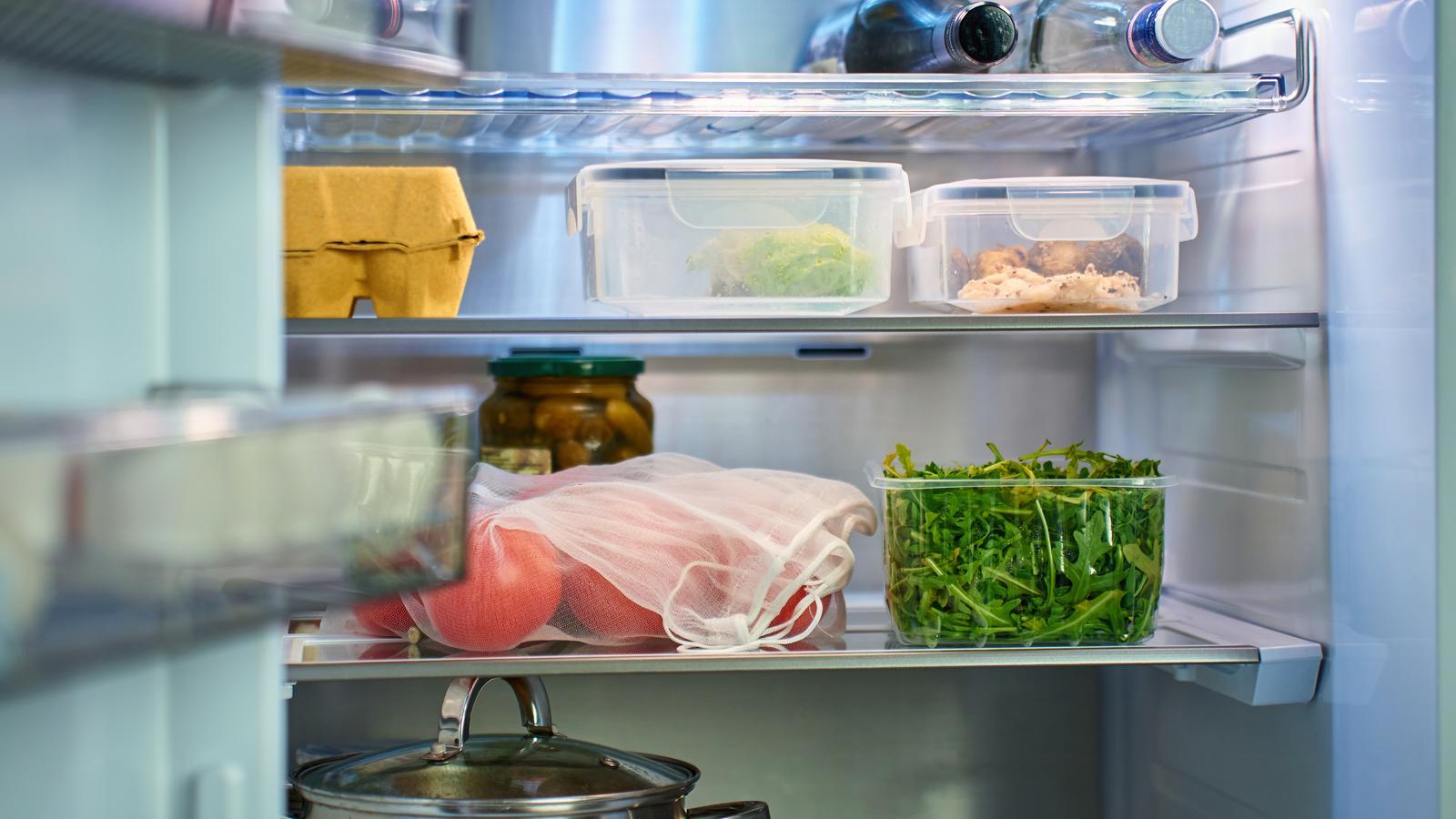
Proper storage is another essential aspect. Among the recommendations is maintaining refrigeration at suitable temperatures. Likewise, it is advisable to use airtight and transparent containers, which allow food to be kept in good condition and the contents to be easily identified.
In the case of prepared dishes that are kept in food containers, it is useful to label them with the preparation date and the contents. It is also recommended to use the freezer as an ally to extend the shelf life of food. If we know that we will not consume a product in time, we can freeze it before it expires, provided it is suitable for freezing. Likewise, it is advisable to do so in portions and to label the containers with the contents and the date to facilitate their subsequent use.
A second chance for leftovers
Food planning does not end when a meal is prepared. Making use of leftovers allows for giving a second life to numerous foods, which prevents small amounts of cooked food or products about to expire from ending up in the trash.
This practice can be applied both to already prepared recipes and to fruits and vegetables that have reached a more advanced degree of ripening.
The possibilities are numerous. Leftover vegetables can be used to prepare creams or broths, while ripe fruit can be used to make smoothies or pastry recipes. Similarly, leftover meat from a stew can be turned into croquettes and bread from the day before can be used to make toast, French toast, migas or breaded dishes. These are alternatives that allow you to take advantage of food that might otherwise end up being thrown away.
Making use of these preparations also requires proper organization of subsequent meals. Reserving space in the weekly menu to consume leftover dishes, storing them correctly, and periodically checking their condition are measures that facilitate their reuse and prevent them from being forgotten in the fridge.
Overall, good domestic planning helps prevent food waste, reduce food expenditure, and make better use of purchases. Added to these benefits are greater awareness of the value of food and the promotion of responsible consumption habits.
