This is how the TMB bus strike that begins today will be repeated every week in October
Fabra i Puig station reopened while Rodalies still drags problems derived from the rainstorm
-
CAT -
CAST
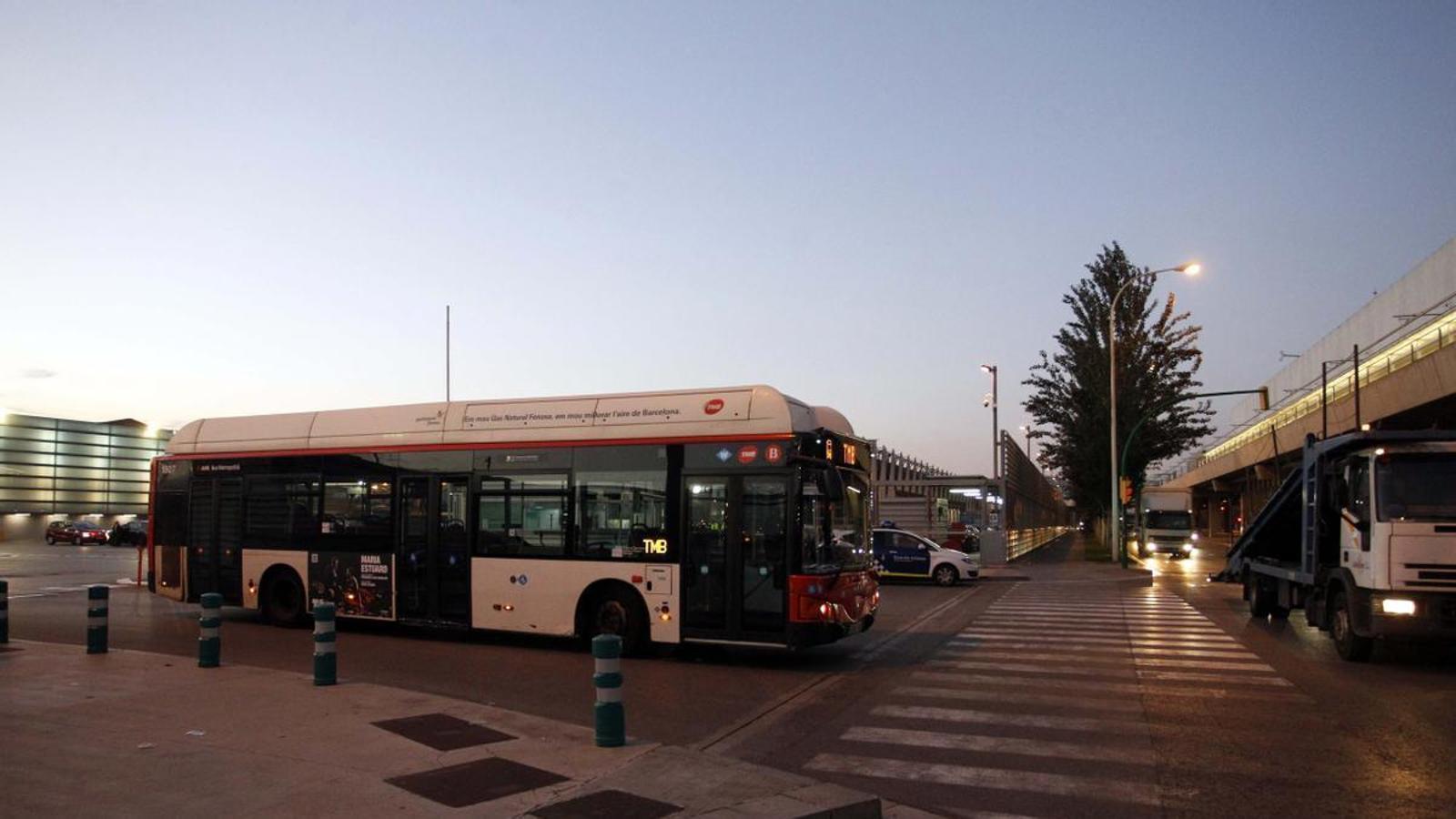
BarcelonaA new day with altered mobility, this time especially in Barcelona. This Thursday marks the first day of partial strikes by the bus workers of Transports Metropolitans de Barcelona (TMB). Previous negotiations have not been able to prevent the stoppages which, as announced by the unions, begin today and will be repeated twice a week throughout the month of October.
The stoppages will take place on the 8th, 14th, 15th, 20th, 22nd, 27th, and 29th of October in three two-hour slots: from 9 to 11 am; from 7 to 9 pm and from 11 pm until 1 am when the service ends. The staff rejected the latest mediation proposal from the company, but negotiations continue. The workers are demanding improvements to their work schedules, respect for weekly rest periods; salary increases, and a reduction of the working week to 35 hours. They also want the changes to be fully implemented starting next year and not progressively, as proposed by management.
The Generalitat has decreed minimum services of 40% during peak hours and 20% during off-peak hours to guarantee the right to mobility for Barcelona's residents during the strike days. Thus, between 9 and 9:30 in the morning and between 7 and 8 in the evening, 4 out of every 10 buses will run. For the rest of the time slots, minimum services will be 20%. The unions have warned that, for the moment, the turnout is total, at 100%, and they warn that if during these days management "does not make a move," they will call a general assembly on October 29th to finalize the next steps in the conflict.
Trains stop again at Fabra i Puig
Meanwhile underground, the Fabra i Puig Rodalies station has reopened its doors after being closed for more than two weeks following the collapse of a part of the lobby's false ceiling. Renfe sources have noted that they have finished the tasks to repair this incident, while improvement works on the space continue. The events took place on September 22 and caused minor injuries to three people who were attended to by emergency services and taken to the hospital. Following the incident, the station remained closed and trains stopped stopping there. During this period, users heading to Fabra i Puig had to get off at La Sagrera-Meridiana and continue their journey by metro.
The events happened after another episode of intense rain and while the station was under construction. According to the operator, accumulated humidity, the vibration from the work, and the age of the false ceiling, over a hundred years old, could have caused it to fall.
The impact of the downpours on Rodalies
In the rest of Catalonia, the railway network still drags on problems derived from the heavy rains that have fallen in recent days. The R2 North line still registers incidents and the alternative road service between Granollers Centre and Sant Celoni is maintained, while trains are indeed operating in the direction of the Airport. The queues at the stations (both for trains and buses) are becoming chronic at this point and users oscillate between indignation and resignation. "I left Clot at half past six in the morning and, upon arriving in Granollers, the bus had just left. Now I have to wait for it to fill up before it leaves again and I will be late for work," explained Rosa, a user, to the ACN.
In Girona, the situation is similar. The city is facing its fifth day without trains following the disruptions caused by the rains. Renfe continues to have the alternative plan with buses deployed, which translates into queues and "exhaustion" for users. This morning there was also no R11 train scheduled and there is still no concrete date for the restoration of the service.
