The "light pirates" accused of defrauding 61 million from Barcelona and Madrid
The National Court will try this autumn a network of dozens of companies and seventeen defendants who face up to sixteen years in prison
-
CAT -
CAST
BarcelonaThey knew thoroughly how the electricity market in Spain works and took advantage of its own "security mechanisms" to defraud it. The fraud exceeds 61 million euros, according to Red Eléctrica's calculations, and there are 93 affected companies that are now trying to obtain compensation to recover the money they lost with this deception. The National Court will try this network between October and November, which operated from Barcelona and Madrid and was supervised from the Sarrià office where the businessman Esteban Roig worked, whom the Prosecutor's Office identifies as the director of the entire structure and requests that he be sentenced to sixteen years in prison. Sixteen more people are also accused, who could face sentences of between nine and six years depending on their degree of involvement.
According to the Prosecutor's Office in its indictment, the accused opened at least thirteen energy trading companies and allegedly organized themselves not to pay producers for the energy that they themselves did collect from final consumers. The deceptions began in 2012 and were uncovered at the end of 2017, when the main accused was arrested and spent a year in provisional prison. Among the most affected energy producers are Endesa with 19.83 million, Naturgy (7.29 million) and Repsol (4.84 million).
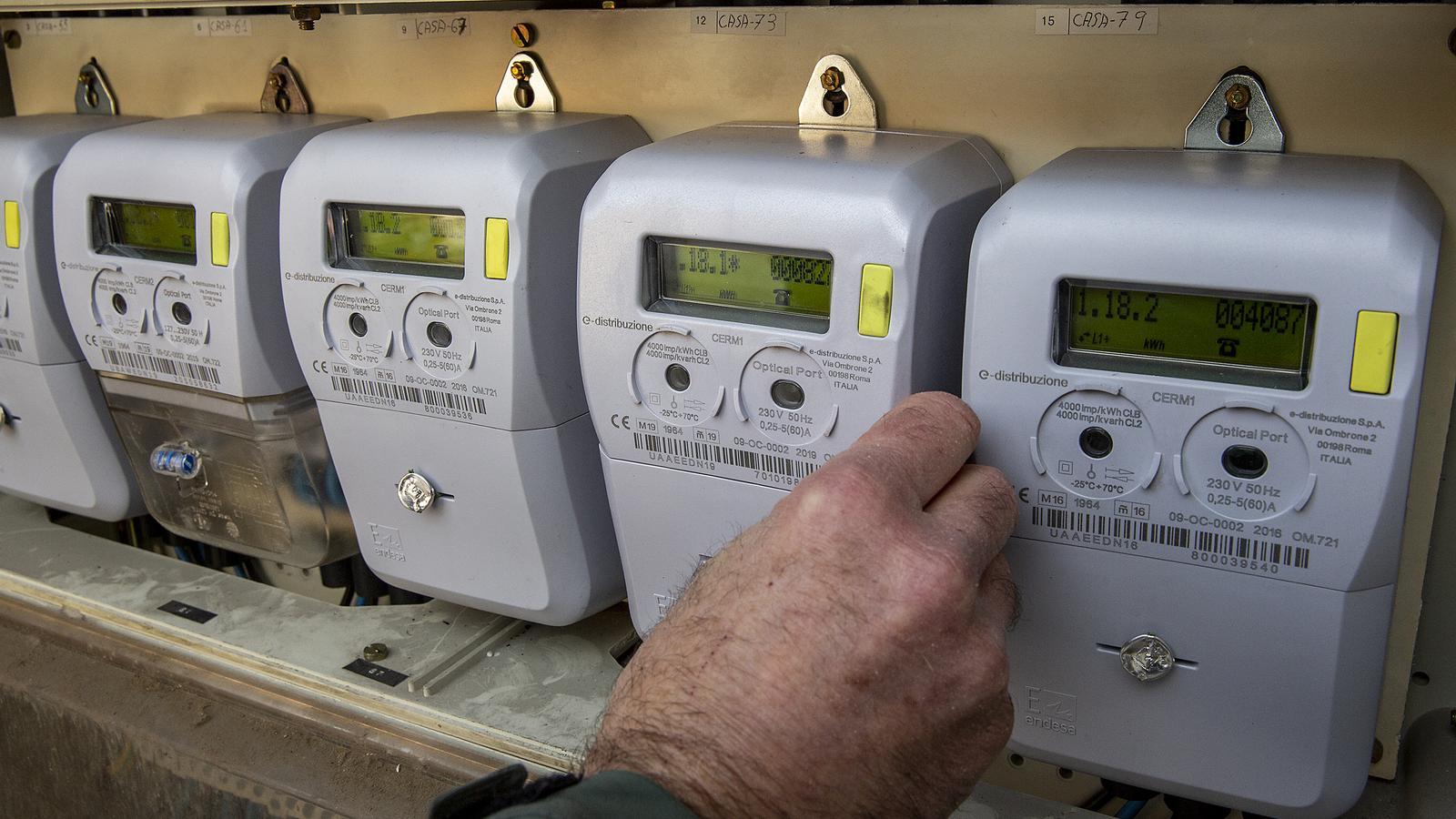
They took advantage of the system's own operation: since electricity cannot be stored, traders usually buy from producers the amount they anticipate they will need to cover customer demand, but if at any point they need more than anticipated, it can be covered with "adjustments" or "deviations" which were the key to this millionaire fraud. Normally, these adjustments represent less than 10% of the energy ultimately supplied to final users, and sometimes they force producers to increase production. Due to how the system works, it is not possible to know which specific trader is responsible for this extra energy that had to be produced until about eight months have passed. Meanwhile, traders can invoice clients for everything they have supplied them thanks to the meters.
This impasse of a few months was the loophole for fraud, according to the prosecutor. Non-payment to producers entailed an investigation by the National Commission of Markets and Competition (CNMC) that would end with the company being disqualified and expelled from the state electricity system, but in any case, the non-payment would have already harmed not only the producers: the unpaid "deviations" end up being passed on to the final price of energy, so that the end consumer ends up bearing them.
Hide the money
The first step was to create the marketing companies and quickly attract customers by offering very low prices. At the same time, this forced more and more "deviations" and an increase in energy production. Once this first period of customer acquisition was over, they gradually reduced the amount of energy they bought each day. They reached the point of buying only 5% of what their customers would request, so the amount of energy the end user paid for increased, but the system never collected.
Although Red Eléctrica warned of the non-payments and the CNMC initiated proceedings and disqualified the companies involved, the network was prepared to circumvent these sanctions with a complex structure of companies, according to the indictment. Thirteen marketing companies are being investigated in the case, but many more were involved in the network. According to the Public Prosecutor's Office, about forty, including management companies and shell companies. They themselves diverted customers to a new company, also related to the network, when the first was about to be disqualified. Furthermore, part of the funds obtained by the thirteen marketing companies were transferred to other companies linked to the network to hide them, some administered by the accused themselves.
The marketing companies' operations center was in Madrid, but the network also had other companies based in Barcelona. From the Catalan capital, they operated in different commercial sectors and were fed by funds from the illicit sale of energy. In fact, the headquarters in a building in the Sarrià neighborhood was the "link between the fraudulent marketing companies and the rest of the organization, which gave an appearance of legality to the executed activities," explains the prosecutor.
