Zapatero, Pedro Sánchez's last man

-
CAT -
CAST
MadridThe indictment of José Luis Rodríguez Zapatero is not just the indictment of a former Spanish president (which is significant in itself). It is also the indictment of Pedro Sánchez's closest confidant after his inner circle has fallen: José Luis Ábalos, in preventive detention, and Santos Cerdán. Zapatero is the last pillar of the PSOE leader to be called into question by an alleged corruption scheme.
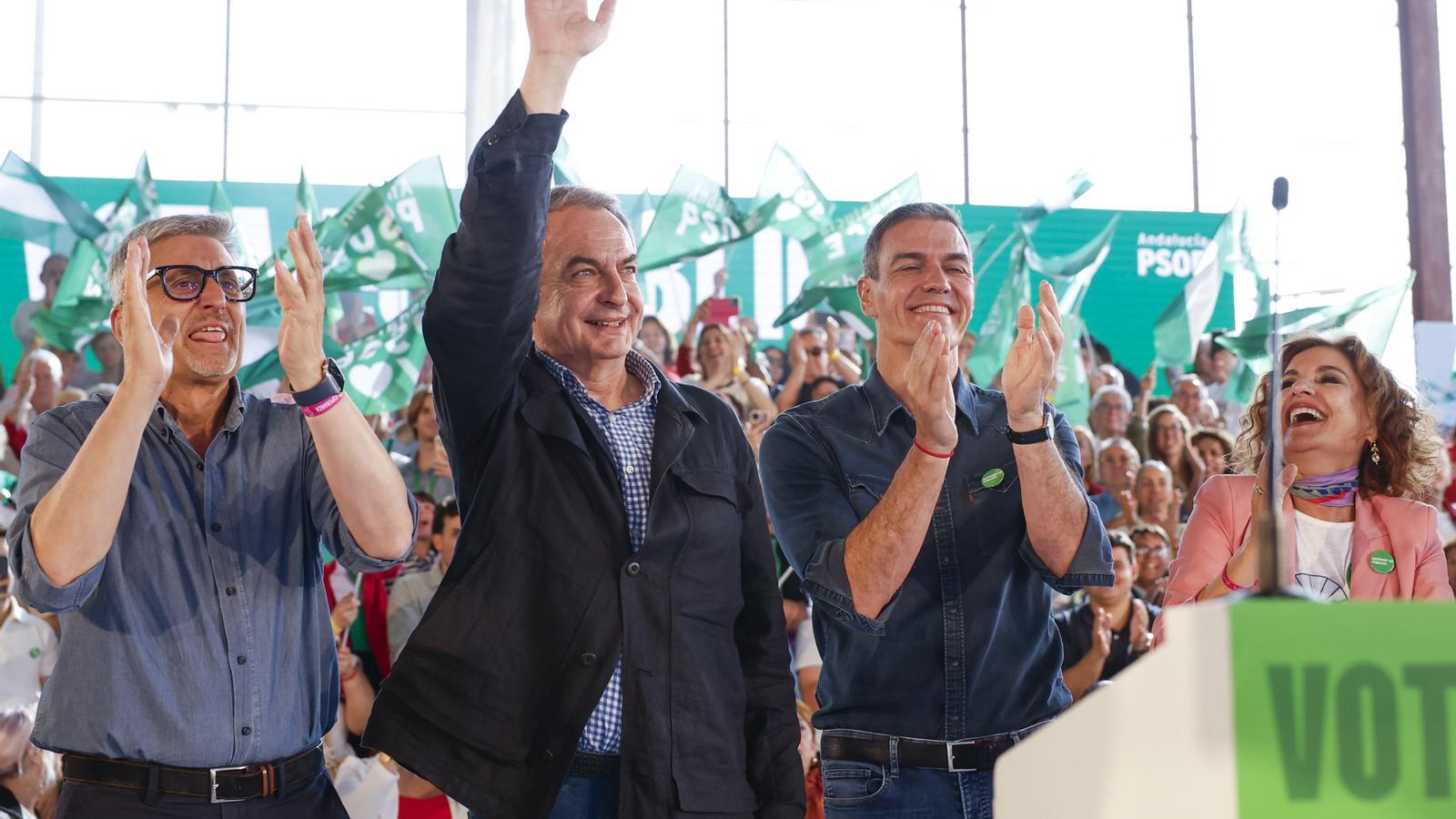
With Felipe González almost voting for the right, the former Spanish president is the only reference that Sánchez's socialism can claim. It is not for nothing that he has been deeply involved in the Andalusian elections, and he is even credited with the PSOE's comeback in the second week of the 2023 election campaign. But there is more: without Zapatero, this legislature probably would not exist. He was the architect of the plurinational majority and the one who wove the necessary trust with former president Carles Puigdemont to secure Pedro Sánchez's investiture. Along with Santos Cerdán, he was Junts's interlocutor at the negotiation table in Switzerland and the necessary firefighter to steer the mandate's main crises with the juntaires. In fact, from that table, no one from the PSOE's front line remains unsullied by justice.
The 'they say, they say, they say'
In Madrid, journalistic information about Zapatero's possible links to illicit operations in Venezuela has been published for some time – today it was El Confidencial who broke the story – and alarms already went off on February 27 when the investigating court number 15 of Madrid, which was investigating the case of the Plus Ultra airline rescue, decided to recuse itself in favor of the National High Court because it considered that the case was taking on a "new dimension". The "they say, they say, they say" was that what they had found on the mobile phone of Julio Martínez Martínez, arrested in December 2025, directly implicated Zapatero. That it was moving forward, let's go, using the expression used by Isabel Díaz Ayuso's chief of staff, Miguel Ángel Rodríguez.
In socialist ranks, the news has not come as a surprise either, although they admit they had no prior information that it would come out this Tuesday from the judiciary or police circles. They tend to say they are not controlled. Even so, they have accepted that judicial pressure will increase (will Pedro Sánchez ever be indicted during the legislature?), especially as the Spanish elections approach, which Moncloa maintains will be in 2027. They consider that there is harassment around the Spanish president: Judge Peinado has brought his wife, Begoña Gómez, to the brink of being put on trial – the jury trial could be just before the elections –; next week the trial of the PSOE leader's brother, David Sánchez, begins; the Ábalos case is already awaiting sentencing and the former minister is in prison, while the Cerdán case is under investigation for alleged illicit commission payments.
However, the party's reaction has been different in these cases. While they speak of a political operation in the case of Begoña Gómez or the president's brother, the truth is that in the case of Ábalos and Cerdán they have given credence to the accusations and have built a firewall regarding the party. What will happen with Zapatero? For now, he has the confidence of Moncloa – "We trust in his innocence," they say – and also of the leading figures of the party, who fiercely defend his legacy. The question is whether, as details of the investigation become known (the secrecy was lifted this Tuesday), the PSOE will be able to maintain this position or if it will happen to him as in the case of Cerdán, who after an initial defense they let him fall. But Zapatero is Zapatero and the implications this case will have on the mood of the socialist ranks cannot yet be measured.
