The great Italian diva who flirted with fascism
Pietro Marcello X-rays 'Eleonora Duse, the divine' the rise of the Mussolini regime through the last professional and vital stage of the actress
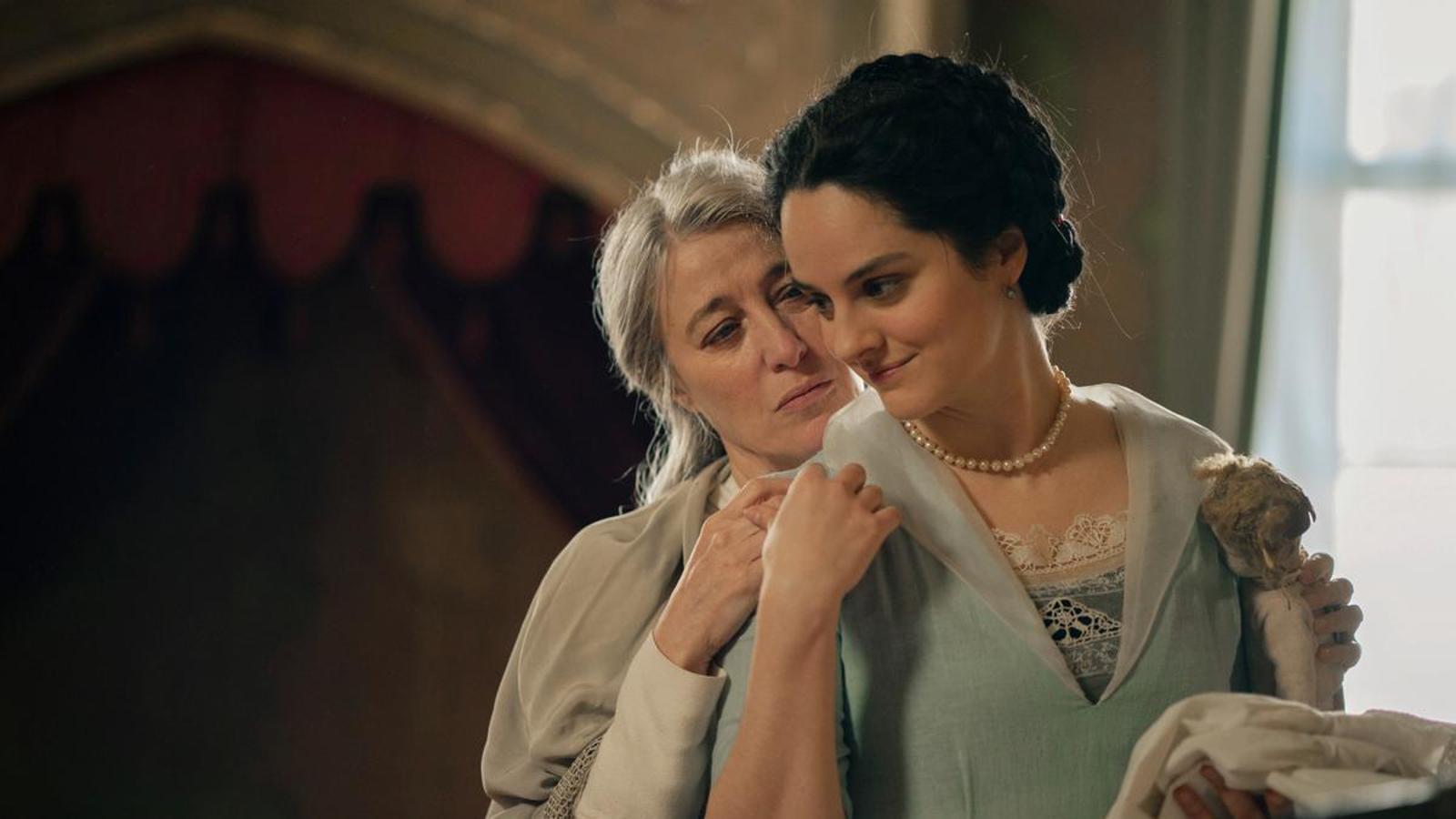
- Direction: Pietro Marcello. Screenplay: Letizia Russo, Guido Silei and Pietro Marcello122 minItaly and France (2025)With Valeria Bruni Tedeschi, Fausto Russo Alesi and Fanni Wrochna
Before Hollywood's studio system began manufacturing film stars, Europe was ruled by divas, theatrical actresses who achieved massive acclaim and critical prestige, turning them into true national icons of popular adoration. Pietro Marcello revives the figure of Eleonora Duse, a myth in Italy at the turn of the 19th to the 20th century, to explore, from the actress's mature stage, the rise of fascism in her country. A subject the filmmaker had already addressed in Martin Eden (2019), a more balanced and brilliant film in its revision of cinematic historical drama. Marcello understands well that the fascination with divas, also as people, lies in their contradictions and in how they embrace life's most tempestuous dimension.
But Eleonora Duse, the divine woman, of course, everyone in the 21st century knows of an Italian dramatic actress who died a hundred years ago, and it presents us with an already old Eleonora, without first portraying the significance of her figure. This makes it harder to connect with the professional who prioritizes theater over motherhood and with the woman captivated by Gabriele D'Annunzio who, like him, ends up flirting with fascism. Valeria Bruni Tedeschi throws herself into her portrayal of Duse, but her intensity sometimes devours, rather than elevates, the character. The film stands out particularly in scenes focused on theatrical performances, when the passion for this art is depicted from within and in close-up.
