Why do the PSC and Comuns not agree to prohibit the speculative purchase of housing?
The two formations have stalled in the negotiations and have presented amendments separately
-
CAT -
CAST
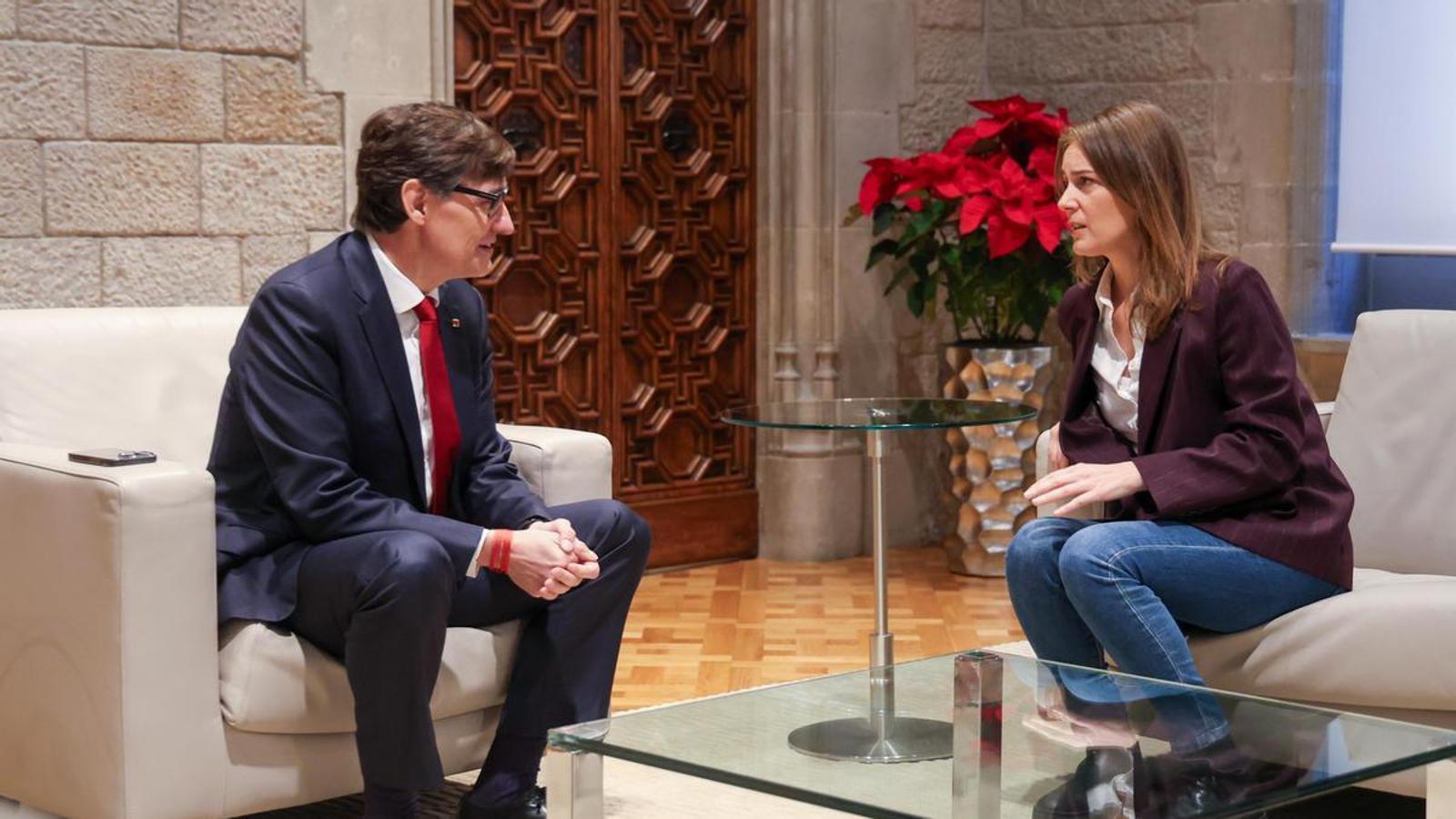
BarcelonaTo save the budget, the PSC agreed to legally prohibit the speculative purchase of housing that the Comuns were advocating for. Four months have passed and the project remains stalled, with an unfavorable report from the Council of Statutory Guarantees and without the two partners managing to agree on a common solution to overcome the obstacles. What separates them?
To begin with, the Comuns' proposal advocated modifying the urban planning law so that town councils in tense market zones could prohibit housing purchases that are not for living in. In other words, the goal of the group led by Jéssica Albiach in the Catalan chamber was to limit housing purchases, and it primarily affected large holders and companies. However, after the opinion issued by the CGE, the socialists made a proposal with changes to adapt to the body's recommendations. The proposal involves defining the uses of the housing and not limiting its purchase. In this way, and according to the text they sent to the Comuns, it is proposed that in tense market zones, housing be for "exclusive or priority use for habitual and permanent residence" if the affected municipalities decide so. It would be made explicit, yes, "the duty" to allocate the apartments to this use, but no one would be prohibited from buying them.
This approach is not sufficient for the Comuns, because it does not respond to the initial objective of the rule to limit housing purchases. In fact, they point out that this is already what the current law regulates and that it has not curbed housing speculation. The socialists, however, believe that the approach of Jéssica Albiach's group could lead to "legal uncertainty." For the moment, the two groups have presented their amendments to the law separately – this Friday was the deadline to do so – but neither party considers the negotiations closed. However, the Comuns had indeed set this Friday as the deadline to reach a pact that, for now, has not been possible.
The two sides, however, can negotiate until the law reaches the Parliament floor for its final approval. It is not expected to be voted on until after the Spanish elections, as the last plenary session to be held before the polls is next week's and parliamentary sources rule out reaching it in time. "The door is not closed," said the Minister of Territory and Government spokesperson, Sílvia Paneque, this week. However, Albiach reproached the executive last week for not "fighting the battle" for this law to see the light of day. The Comuns, in fact, are not willing to lower their demands because they consider the norm to be "necessary." And even more so when state elections have just been called precisely in the face of the housing emergency.
Albiach's party, in fact, has made housing its main banner this term. It was so in this year's budget negotiations, in which they put a battery of measures on the table to negotiate with the Government and which all ended with an agreement that raised the resources allocated to this area to 1.25 billion euros. And this will also be their main demand ahead of the November 29th elections. They were the ones who pushed the hardest to move forward the two housing decrees that the Spanish government approved after the eviction of Maricarmen Abascal. Furthermore, Comuns sources criticize that the PSC always drags its feet when it comes to regulating the sector and stress that they only take steps forward in this regard when they are forced to by Albiach's party.
