Plebiscite on Sanchismo... looking to 2030
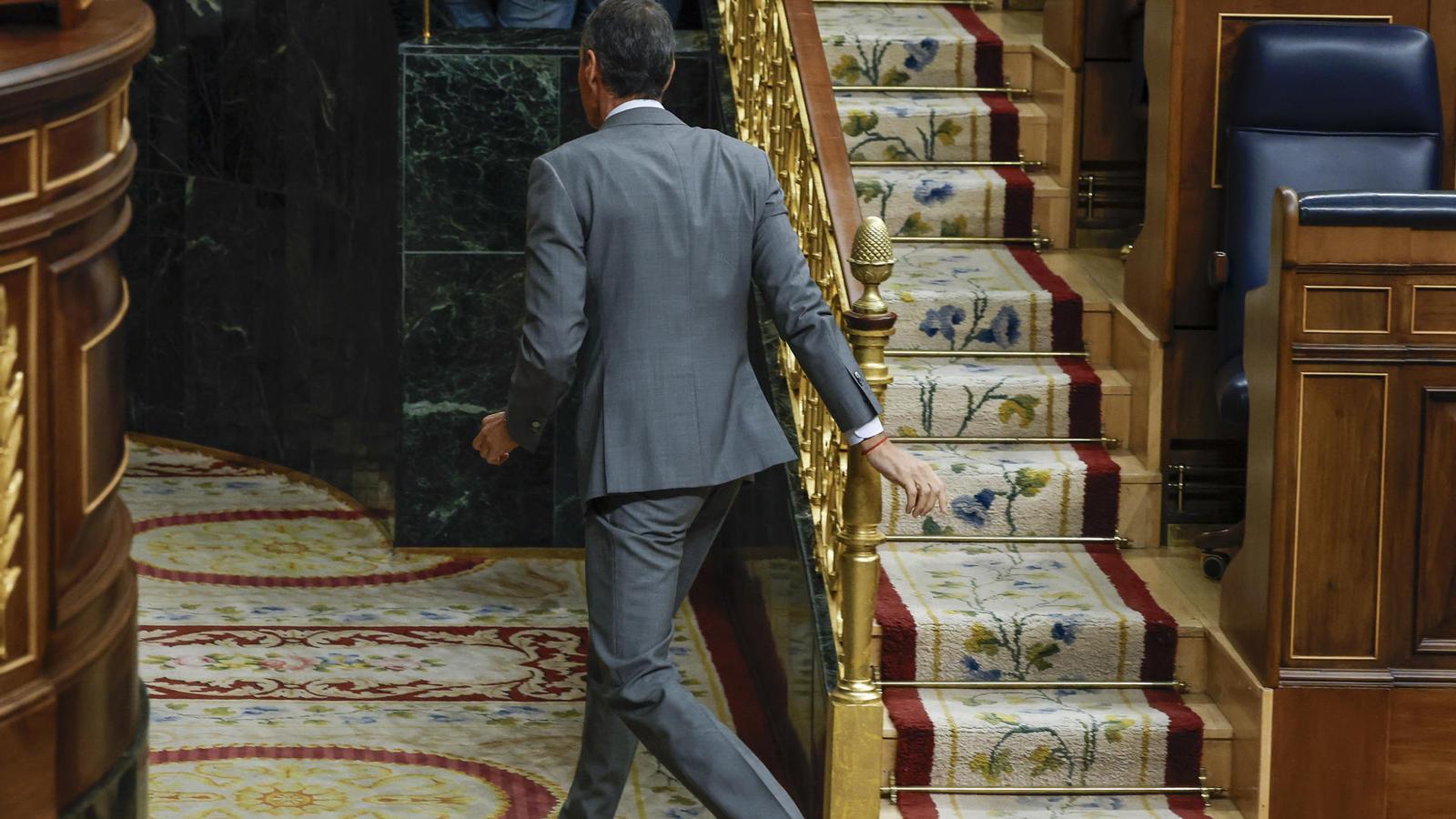

BarcelonaPedro Sánchez has called snap elections that, in reality, are a plebiscite on his person and, especially, on what he represents and what we know as Sanchismo. Sanchismo is defined, first of all, by opposition. In a world dominated by a strong conservative, and even reactionary, impulse, Sánchez has managed to build his own profile that is almost countercultural: his congenital smile and optimism clash with the depression of the international left. The other great ingredient of Sanchismo is a specific way of doing politics, with a strong sense of power (something that especially makes the right nervous and has led him to clash with the deep state), and a mixture of opportunism and a sense of opportunity, just as he demonstrated back in the day with the amnesty and now with the housing decrees.
Sánchez has drawn the framework –either with him or against him– and the rest of the parties must now follow in his wake. The big difference compared to 2023 is that it is no longer possible for Junts to be part of the Sanchista equation. The Junts members, whether they want to or not, have positioned themselves on the other side, be it out of ideological conviction or electoral tactics. ERC and the Comuns clearly form part of the historic progressive/republican, and therefore now Sanchista, bloc that always returns in moments of the threat of involution, like in 1936. The unknown is whether Catalonia will respond as it has historically to defend itself from the threat of the right, voting en masse for progressive options, or if things have already changed and there is a significant percentage of Catalans who right now prefer a PP and Vox government.
The big question is whether the outburst of anger over the failure of the housing decrees will be enough for a comeback that, for now, no poll, except for the CIS, predicts. It is very difficult, but in any case, Sánchez is risking it all on an all-or-nothing bet. He knows that only sufficient support that places him near or even above Alberto Núñez Feijóo will be able to save his image. Because it is no longer just a particular government that will be at stake on November 29, but his political legacy. A Sánchez defeated at the polls will give way to a new PSOE of a Felipista style. On the other hand, a minimally reinforced Sánchez will be able to remain as the leader of the opposition and, let's not rule it out, run again, depending on how things go, in the next elections. It is what we could call the super-return.
