Is the new tax that Ada Colau proposes higher than the one that the rich already pay?
The Broad Front candidate proposes taxing assets of more than one million euros at a rate of 2%, which would rise to 3% for fortunes exceeding 50 million
-
CAT -
CAST
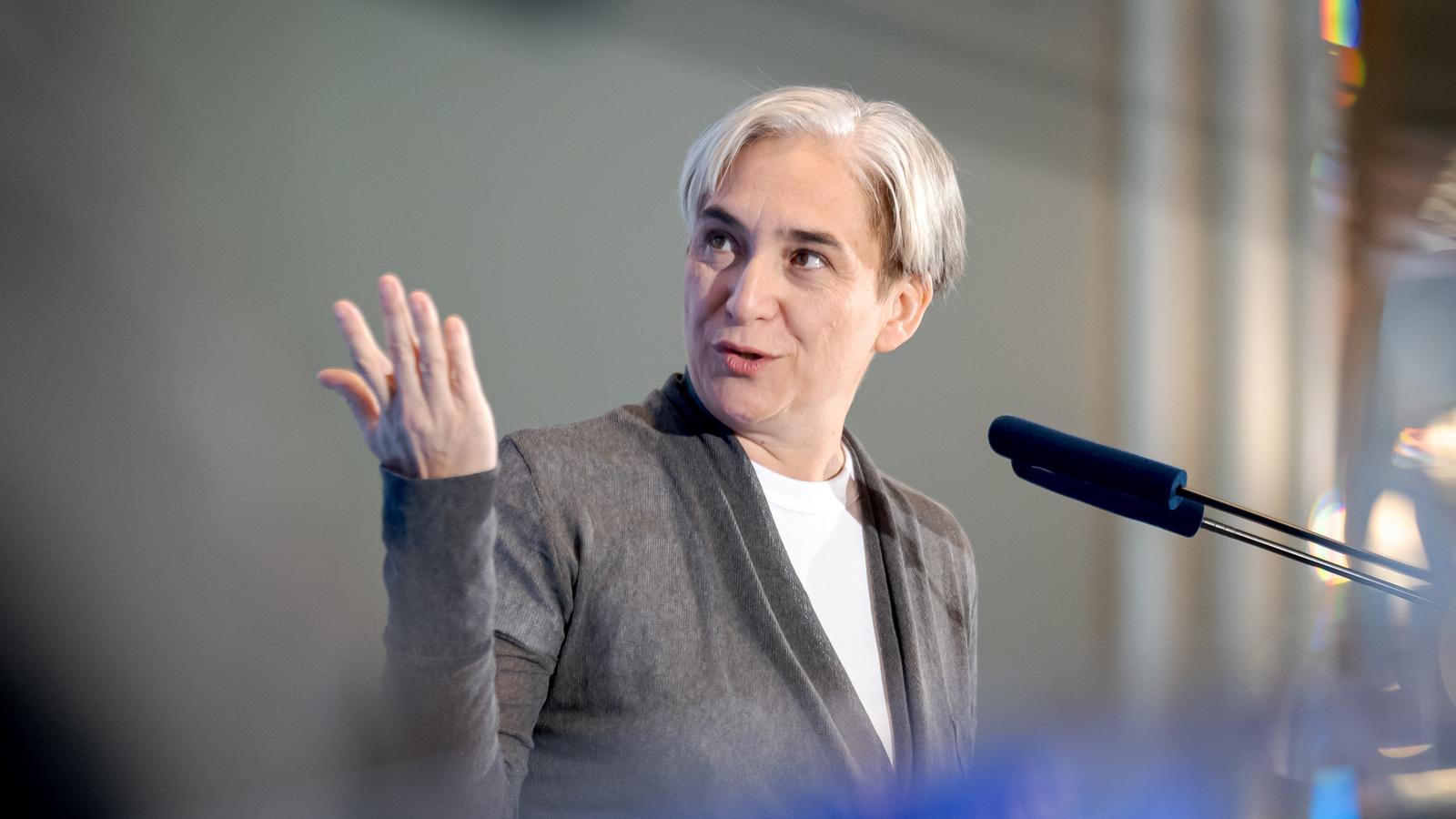
Barcelona"We are taxing the rich from the Ritz". Ada Colau has presented in Madrid the fiscal proposal of the Broad Front, which plans to tax net assets exceeding one million euros with an annual tax of 2%, which would rise to 3% for fortunes of more than 50 million. The candidate claimed this Friday the redistribution of wealth from the Ritz hotel, where the Nueva Economía Fórum event was held, and argued that "there is no right to accumulate wealth, but there is to health, to education, and to a dignified life".
The Broad Front calculates that the entirety of its fiscal reforms would allow for the collection of more than 10 billion euros annually to strengthen public services and dignify pensions. Colau has asserted that 1% of the population concentrates 26% of the wealth and has defended that large fortunes should contribute more to the sustainability of the welfare state.
A tax that already exists, but with a lower threshold
In any case, the proposal does not start from zero. Spain already has a wealth tax, ceded to the autonomous communities, which can modify its rates and apply bonuses. Furthermore, since 2022 there has been the state solidarity tax on large fortunes, which taxes net assets exceeding three million euros with rates of 1.7%, 2.1%, and 3.5%, depending on the brackets. This tax allows for the deduction of the amount paid for the wealth tax to avoid double taxation.
The main novelty of the Broad Front's proposal is to lower the entry threshold of the state solidarity tax from three million euros to one million. The party proposes taxing assets exceeding this amount at a rate of 2%, which would rise to 3% for fortunes of more than 50 million. The amount would be reduced based on the wealth and large fortune taxes that had already been paid. Therefore, it cannot be claimed that all taxpayers would end up paying more: the tax burden would depend on the assets and the taxes they already paid.
The Broad Front calculates that the new tax would affect about 231,000 people and that the 1,200 fortunes with more than 50 million euros would contribute a third of the collection. The party, however, has not published a technical report that would allow these estimates to be independently verified. Nor has it sufficiently detailed the calculation of the more than 10 billion euros it expects to collect with the set of fiscal reforms, which also include measures regarding large companies, banks, and property owners.
