Without a home there is no dignified childhood
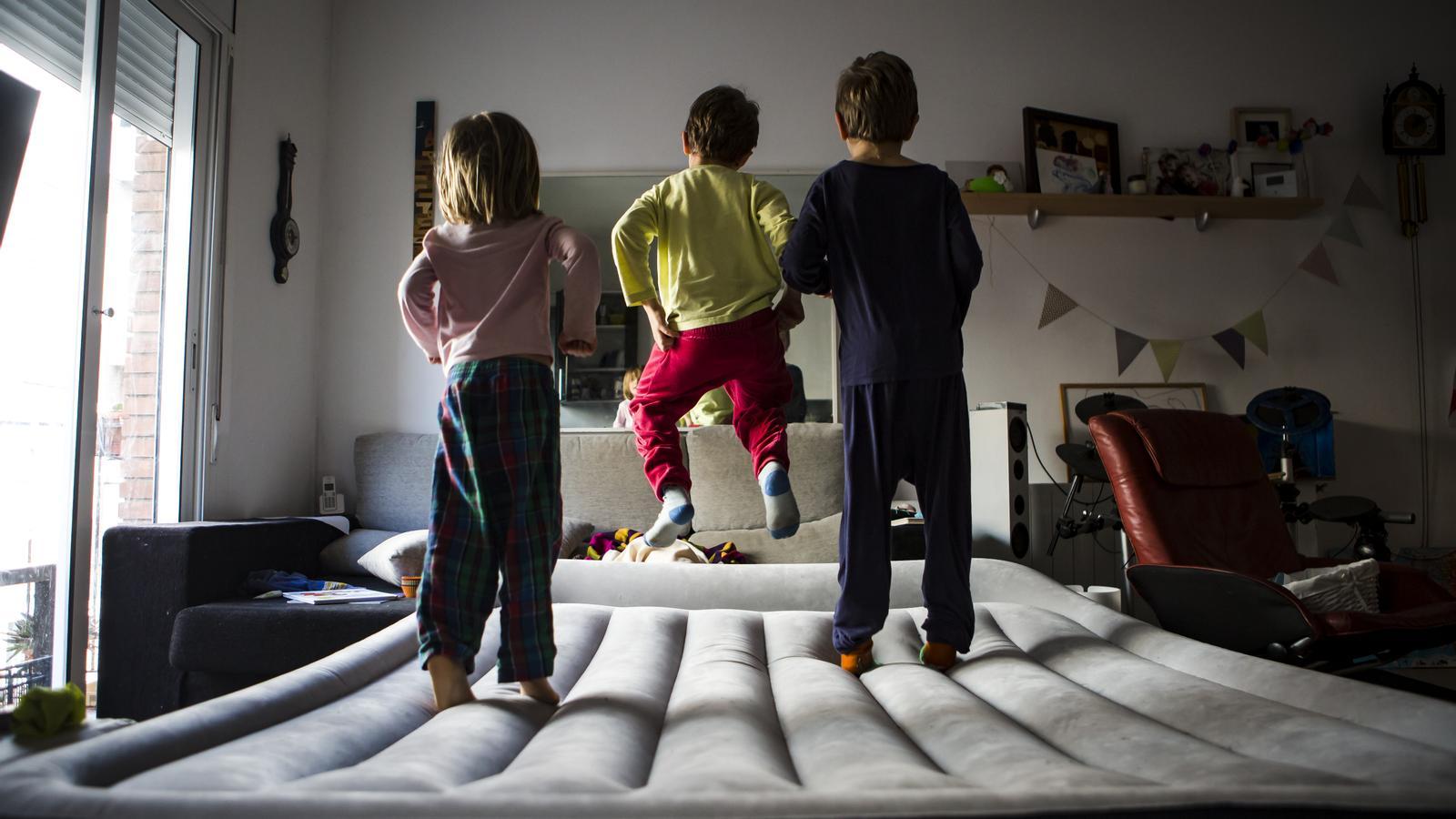

Talking about housing is in vogue and has become a political weapon in this electoral context, and beyond. Given the magnitude and urgency of the issue, the social demand for a right, and the effects of its violation on all citizens, we cannot forget how the shockwave reverberates in the lives of children.
And in this case, we must adjust the terminology, because it is not about providing or having just any four walls and a roof, but rather adequate housing in a healthy environment with services within reach. A place where children and adolescents can grow, play, rest, have privacy, study, and spend time with their loved ones in good conditions and with safety. Having it or not has different impacts on their daily lives, on their process of growth and the construction of social bonds, and on the experience of their other rights such as education, physical and mental health, well-being, protection, and leisure.
When this right is at risk, the consequences are served: overcrowding, cold, and humidity increase the risk of accidents and illnesses. Instability and temporality can lead to stress, depression, and social stigma. The fear of eviction and exposure to implicit violence cause anxiety and trauma. The lack of space and natural light affects conditions for studying, and the health effects can increase absenteeism.
Being aware that children need this adequate place to live, the game of supply and demand has turned housing into a good that is increasingly less accessible to families, and into an investment—often for speculative purposes—rather than a good for use. The increase in prices (50% for rent in 10 years), the scarcity of public housing (1.7% compared to 9% in the EU), the lack of a sufficient rental stock, and the increase in situations of discrimination and barriers to access (due to origin, nationality, and ethnicity, but also due to the simple fact of having sons or daughters or being single-parent families) make this right totter and cause a domino effect on the other rights of children.
Housing has become an increasingly important factor in explaining child and adolescent poverty. It is true that poverty cannot be combated without inter-institutional social policies articulated with bold housing policies, which take into account the reality of childhood and incorporate it into their DNA to achieve more integrated and sustained interventions. However, the housing problem no longer exclusively affects people and households in poverty, but the spectrum is widening, and this means that it also affects and harms other children. Regardless of the evolution, having children continues to be an aggravating factor.
That boys and girls have the right to adequate housing is reflected in various human rights instruments, including the Convention on the Rights of the Child, and also in international strategies such as the 2030 Agenda for Sustainable Development and the European Child Guarantee. Here at home, the Strategy to Fight Against Child Poverty also embraces this challenge.
Considering that children and adolescents in Catalonia represent approximately 17% of the population, it is obvious that we cannot continue to make them invisible, not even in housing policies, because they are full citizens and not a mere appendix of the family. Where and how to live is a matter that concerns them and in which they must be able to have their say and be heard. And this right cannot continue to be a second-class right or a right set aside by adult hegemony.
The urgency in the face of this situation makes it necessary to define lines and actions to make real progress: more public housing and financial aid for families with children, programs to eradicate shanty towns and substandard housing, and banning the eviction of vulnerable families with children are some of the urgent ones. Because childhood time expires, while negligence leaves lifelong consequences.
