Where are the founders?
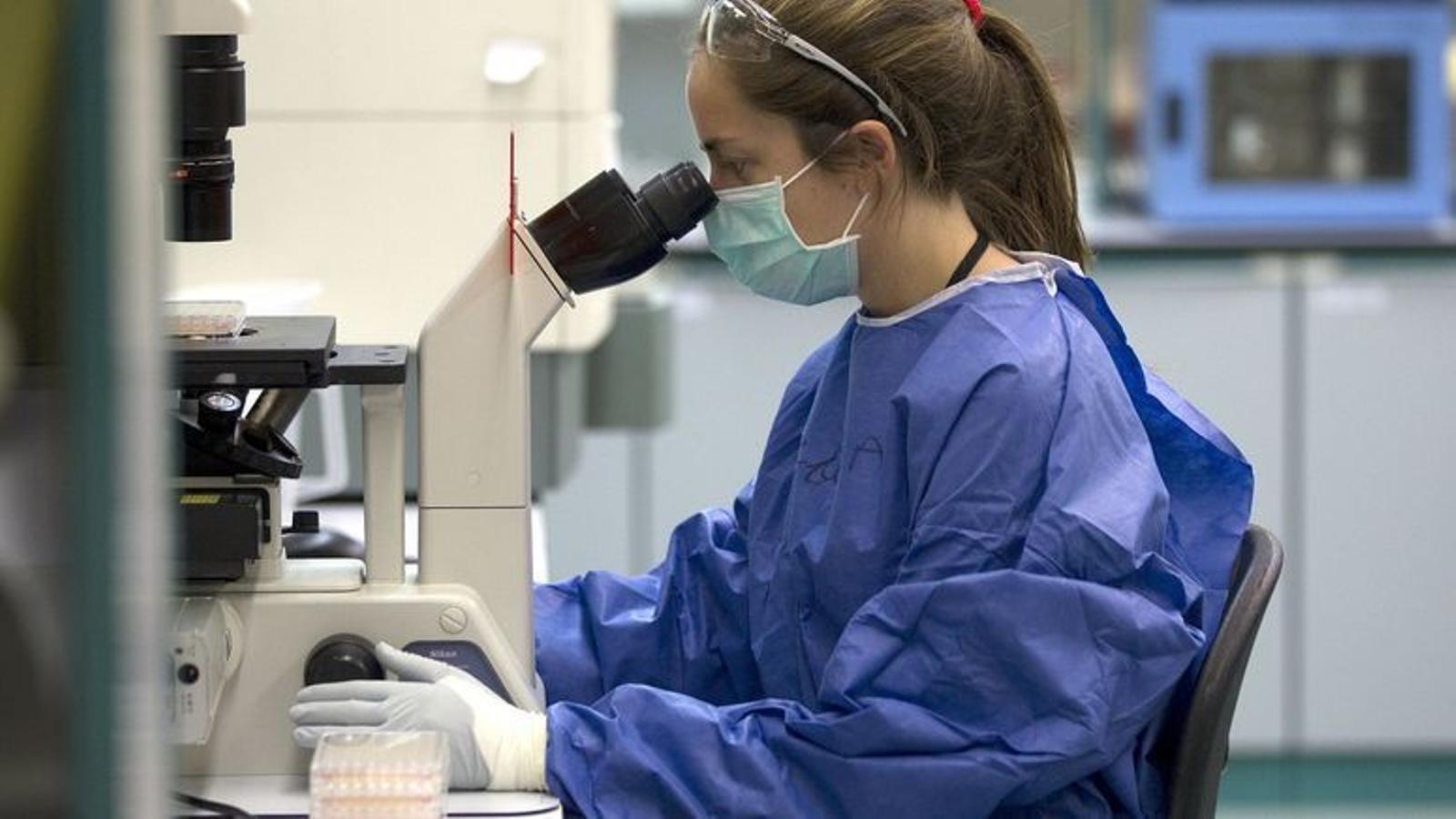

If I tell you that Catalan health start-ups with at least one female founder or CEO capture 49% of the investment, 3.4 times the European average, what do you think? That Catalonia has broken the glass ceiling of capital? That we can turn the page now? It is tempting to believe so. The data is from the latest BioRegion Report by Biocat, but when faced with a figure that is too good, one must look at the denominator.
Since 2016, 639 companies have been created in Catalonia start-up of health, a little more than one per week. In such a small ecosystem, a few large rounds move everything. In 2025 the five largest operations took 47% of the investment. In epidemiology we call this the small numbers problem: no one would evaluate any reality based on five cases.
The question that matters is another one. Where are the female founders? Only 202 of these 639 companies, 32%, have at least one female founder at the helm. And among the newly created ones, the proportion fell from 43% in 2020 to 25% in 2023, with no signs of recovery in the provisional data of the last two years. Money rewards companies born years ago while the pipeline thins out. We run the risk of celebrating the harvest and forgetting to sow.
Does it ring a bell? It is a known pattern. In the public healthcare system, women make up 75% of the staff, but they only hold 37% of management and general directorate positions, according to 2023 CatSalut data. The higher up, the fewer women. And where decisions are made about where capital goes, it is reasonable to think that structural barriers, a still very masculine financial world, and often unconscious biases weigh in.
In women's health, furthermore, there is a vicious circle. It has been a neglected field, with less scientific evidence and fewer clinical practice guidelines than other areas. Think about endometriosis or menopause. And that is without mentioning the diseases that affect both sexes and which for a long time have been studied primarily in men. Those who seek investment are asked for data on a need that has been little measured. Without data, it is difficult to convince, and without investment, scientific evidence cannot be generated. We are talking about half the population. Do we really think it is a niche?
What can we do? If you do research, incorporate sex and gender analysis, as the European Commission already requires by default, so that the need is documented. If you manage a fund, public or private, incorporate equity criteria and train the investment committee to detect biases. If you have political responsibilities, ask for long series before drawing conclusions from a single year. And if you are simply reading these lines, look closely at figures that are too good, especially those we like.
We have a dense ecosystem of investors and specialized services, scientific talent, and reproductive medicine of international reference. The 49% can be a starting point or a mirage, and we will make the difference together. An anomaly is only an opportunity for those who know how to read it. And you, how do you read it?
