A Halloween of fear
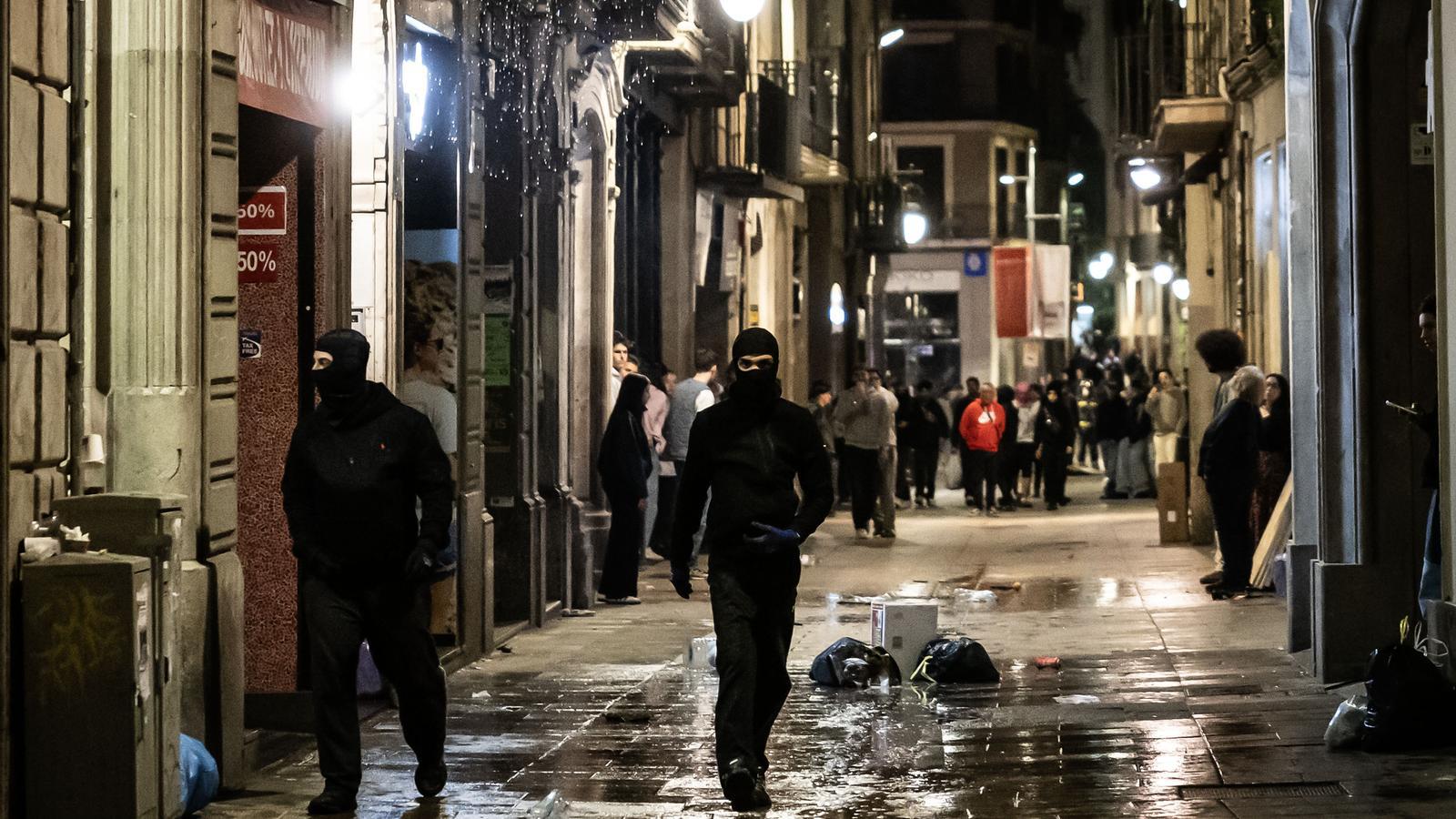

I don't know about you, but this week, around Barcelona, I've been told more than once: “I’m not moving from home on Saturday”. There are people who are afraid of going down to the city center and running into violent hooded individuals who destroy shop windows, loot stores, and burn cars and motorcycles to build barricades. The Mossos d'Esquadra and the Urban Guard are preparing a maximum-effort security operation, highly visible, and the tactic for dealing with the violent protesters will not be the same. Let’s hope it’s not necessary. And that, if it is, it works.
First it was the restlessness caused by uncertainty, then the sad realization that the present is not how we expected it to be, and now it is the fear of what might happen.
Shops will be harmed and the losses could be considerable. But the effects on collective confidence are incalculable, and not just for commerce: for leisure, for culture, for relationships between people. And because a society dominated by fear ends up seeking out highly inadvisable authoritarian refuges.
The counterattack of a PSOE against the ropes consisted of appropriating the housing drama and responding to the hatred of the far-right with “the power of love”, with a kind of pre-Christmas Love Actually where good feelings overcame resentment, antipathy, and what Pedro Sánchez had called “the mud machine”. The socialists changed the fist and the rose for a heart, they wanted to keep the representation of love and reserved for the opposition the role of hatred. And now, after two events that chill the blood, such as the violence of underage youths on the streets and the third fatal train accident in the same year (Adamuz, Gelida, Urda, 116 dead), the poetry has evaporated. And on top of that, the political replacement that is being envisioned is even scarier.
