An educational pact that reaches the classrooms
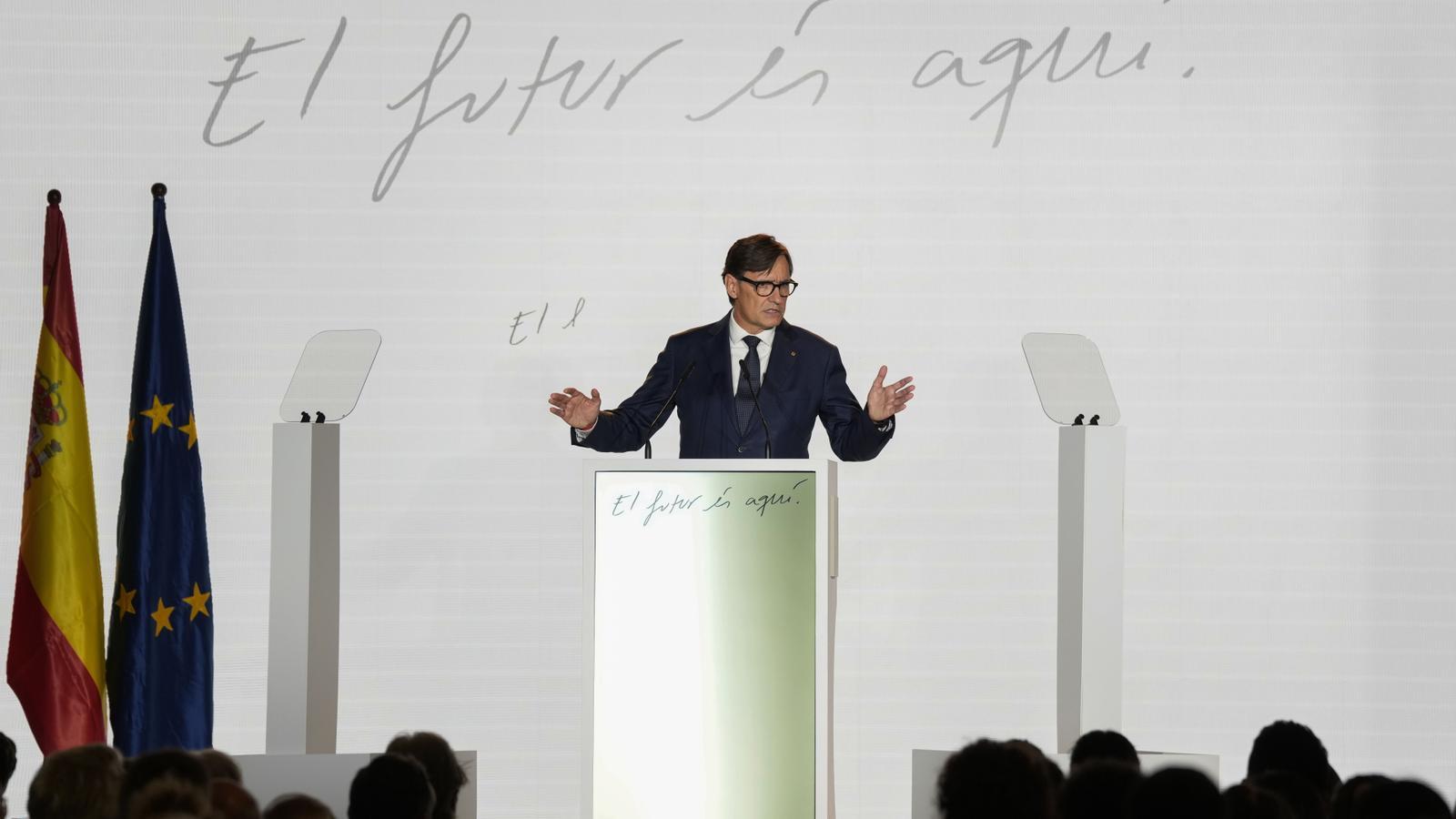

It is good news that the president of the Generalitat wants to make education a national priority. It is also good that he has put the goal of reaching 6% of GDP in education on the table. After the start of the school year marked by the strike and the disaster of the PISA tests, it is a good thing that the Government has resolved to look ahead and switch on the high beams. The president wants to generate consensus in the debate to take action; he will start by holding a round of talks with the parties and tasks the Education Council with being the instrument of the debate. These are, for the moment, the specifics of the proposal.For too long, voices have been raised to demand more resources and warn of the crisis in the education system, but the solutions proposed point in different directions. With different interests and visions, who will set the course of the debate? The president of the Education Council, interviewed in this newspaper, acknowledges the difficulty of reaching consensus and points out that generating a new climate of calm debate and trust would in itself be a first step forward.It does not seem, however, an easy milestone. New mobilizations are being announced, and the first thing that has been requested from the government is a calendar, budgetary resources, and concrete measures. Where will the money come from, how and when will it be invested? Because the 6% figure is very important, but it is not an educational policy. Money can make changes possible, but it does not decide by itself what change we want to make. Trust is not requested, it is built. And it is built when a promise has a schedule, an investment has a purpose, and a reform reaches the centers. When professionals can see that what is decided in the institutions ends up changing, even if gradually, their work and the students' learning opportunities. Perhaps the great educational debate should not reopen the old trenches: competencies or contents, innovation or tradition, equity or excellence, public or state-subsidized, screens or books. In the classrooms, these dilemmas do not exist with such simplicity. Reality is more complex and calls for fewer trenches and more capacity to move forward together. Miquel Puig warned, in these very pages, about the risk that a new national debate might end up becoming another round of consensus-building while difficult decisions continue to wait. Catalonia does not need to start a debate all over again because we are not starting from zero. We have a law and we have research, universities, schools that have accumulated experience, professional networks, management teams that have learned to manage complexity, and many practices that we know add value. Previous participatory debates have been held, we have magnificent written proposals that have remained dead letters. Programs that have gone down in history and were pioneers in their day.
The problem is not just knowing what needs to be done, but ensuring it actually gets done. Between what is written in a regulation and what ends up happening in a classroom, there is a huge gap. Educational policies do not transform reality just because they are well-designed: they need to be led, implementation capacity, coherence, monitoring, professional participation, and continuity. Do we have that capacity? What will we do, beyond the 6%, with the LEC –pioneering in its time and the result of a broad national agreement– that we have still not been able to deploy?It is an educational paradox that we know well. We can have a new curriculum without the way of teaching changing enough. An inclusion policy that leaves teachers alone in the face of complexity. A teacher training plan without enough time to learn from one another. A leadership policy that asks management teams to make changes without giving them time, resources, or the capacity to lead them. We can talk about school autonomy in a centralized and bureaucratic system that does not allow them to exercise it. The great challenge is not to announce more reforms but to ensure that the reforms reach the schools.Catalonia cannot afford for the educational pact to be a missed opportunity. Not only because of the urgency to improve education, but because the educational crisis goes hand in hand with a crisis of the country and of trust in politics.The challenge is not to rewrite what needs to be done, but to ensure that what we agree upon happens. That agreements and parliamentary consensus can go beyond a single term, because in education, changes require time. This demands commitment and responsibility from all actors, but also trust in teachers and schools: giving them time, resources, and training to make the change possible.We need a pact with clear priorities, resources, responsibilities, and continuity. Because an educational reform is not proven in a document nor is it decided in an office. It is put to the test on a Monday morning, when a classroom door opens. That is where we will know if we have really changed anything.
