Why newspapers have the duty to censor

BarcelonaFrom time to time a controversy erupts because a columnist reveals that an article has been censored, and announces that they are leaving the newspaper in question amid accusations of persecution and warning that freedom of expression is in danger. The latest example has been that of notary Juan José López Burniol at La Vanguardia. In these cases, I believe it is necessary to educate to explain why it is an obligation for newspapers to exercise censorship. The media have an editorial line, which is expressed through editorials, and then they have an expanded editorial line that draws a framework that includes everything that can be published in that newspaper. The premise is very clear: a medium does not have to agree with the opinion of its columnists, but it does have a social responsibility towards society and, therefore, must decide which ideas it wants to be a mouthpiece for and which it does not.
In the case of ARA, for example, an article by Anna Grau was censored in its day because it was considered to be racist towards black people. And later another by Xavier Roig in which half of the Catalan population was deprived of their Catalan status. This framework can be larger or smaller, and the final decision rests with the director, but everyone has it. Even digital media, which depend more on audience and tend to have broader frameworks. Without going any further, people like Joan Ramon Resina and Josep Sala i Cullell have left Vilaweb because they did not feel comfortable there.
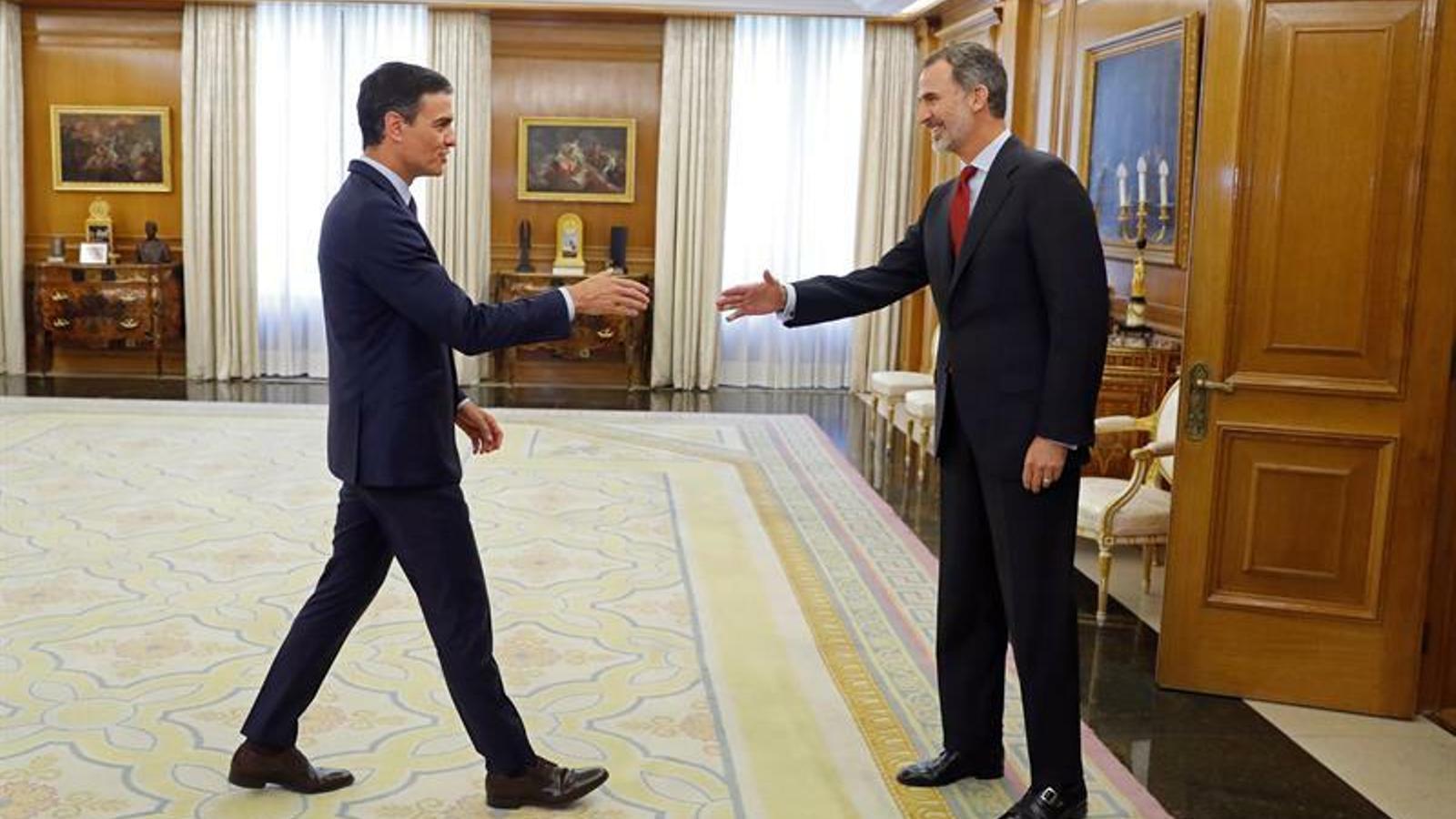
Now López Burniol has written an article in which he denounces an alleged plot by Pedro Sánchez and the independence movement to overthrow the Crown and destroy Spain as a nation, and warns that in a year there could be a confrontation in the style of 1936. And the newspaper, using its mandatory social responsibility, has decided not to publish it.
