Drama soup
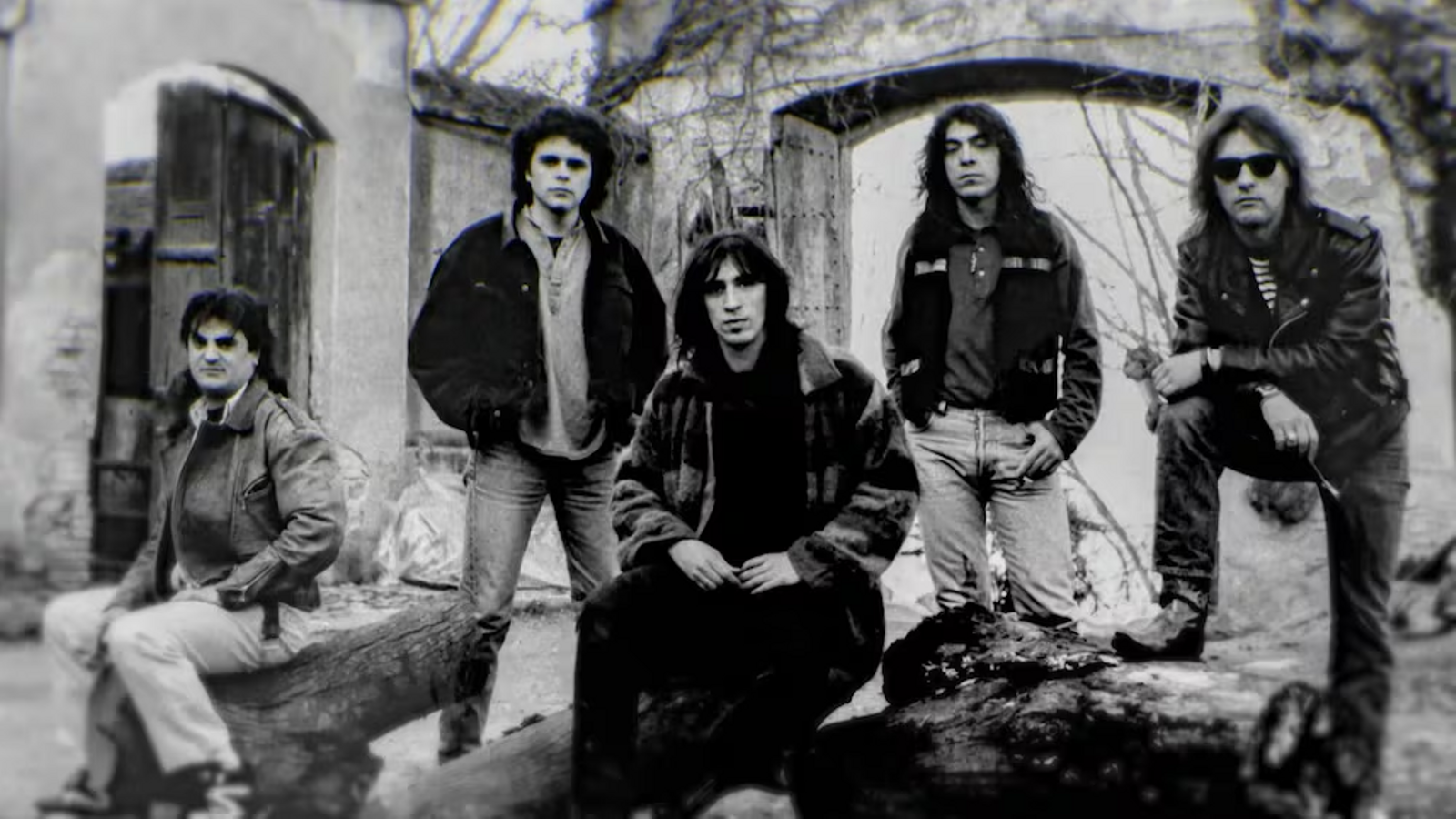

On Tuesday, Sense ficció revealed the inner workings of Sopa de Cabra, one of the essential and most successful bands in Catalan rock. Sopa de Cabra, tornar enrere played with the title of one of their songs to revisit the past. The circular structure of the story was a success. The camera, positioned at the top of the stage at the final moment of a concert, follows the musicians to the dressing room, where we witness a conflict. Josep Thió sends everyone away to scold his bandmates in private. A start that anticipates an unusual story, unknown to many of their followers. The documentary interviews each of the group's members separately. A frontal close-up against a neutral background that almost conveys the feeling of an interrogation in which the editing scrutinizes the coincidences in their responses. “Sopa de Cabra has never been a group of friends.” They all agree with this idea, and the viewer will have the opportunity to verify it. Many documentaries that delve into the lives of great rock or pop bands, or music legends, have a certain epic quality, even if there may be episodes of excess and misery. This production, on the other hand, breaks with the usual codes: it recovers archive footage of concerts and interviews, and explains the evolution, crises, and contradictions. It also knows how to activate the nostalgia of the group's followers, and contributes to reordering memories linked to the songs and concerts. But there is no epic. And precisely that is what makes it singular and memorable. Sopa de cabra, tornar enrere emanates a serene sadness, a latent pain that the protagonists have accepted and to which they now seem accustomed. Quintana and company, stars of Catalan rock, present themselves before the camera as anti-heroes and present an intimate narrative that conveys weariness. There is a disillusionment with their own history. The documentary has the virtue of sincerity. The members of Sopa speak with the honesty that comes from the distance of events. They don't need imposture, because now they have nothing to lose. They refer to "the truth we have built together". They seem like victims of the tyranny of their own success, forced to maintain the bond to earn a living, because what they shared worked and was liked. The documentary's strategy of bringing the group together for a meal and observing the relationship dynamics is magnificent, as the discomforts and tensions become evident. The preparation of a recipe becomes a metaphor for the delicate balance of coexistence. The documentary works very well with this sense of strangeness, of constant unease, a drama that rises in intensity and is difficult to understand. And the final twist that explains it is even liberating for the viewer. We understand that uncomfortable conflict that has opened the story. The circle is closed. And it serves as solace.
