Sopa de Cabra and the breaking of the band myth: "We are not friends"
3Cat broadcast this Tuesday the documentary 'Sopa de Cabra, tornar enrere', directed by Jordi Call and premiered on 'Sense ficció'

-
CAT -
CAST
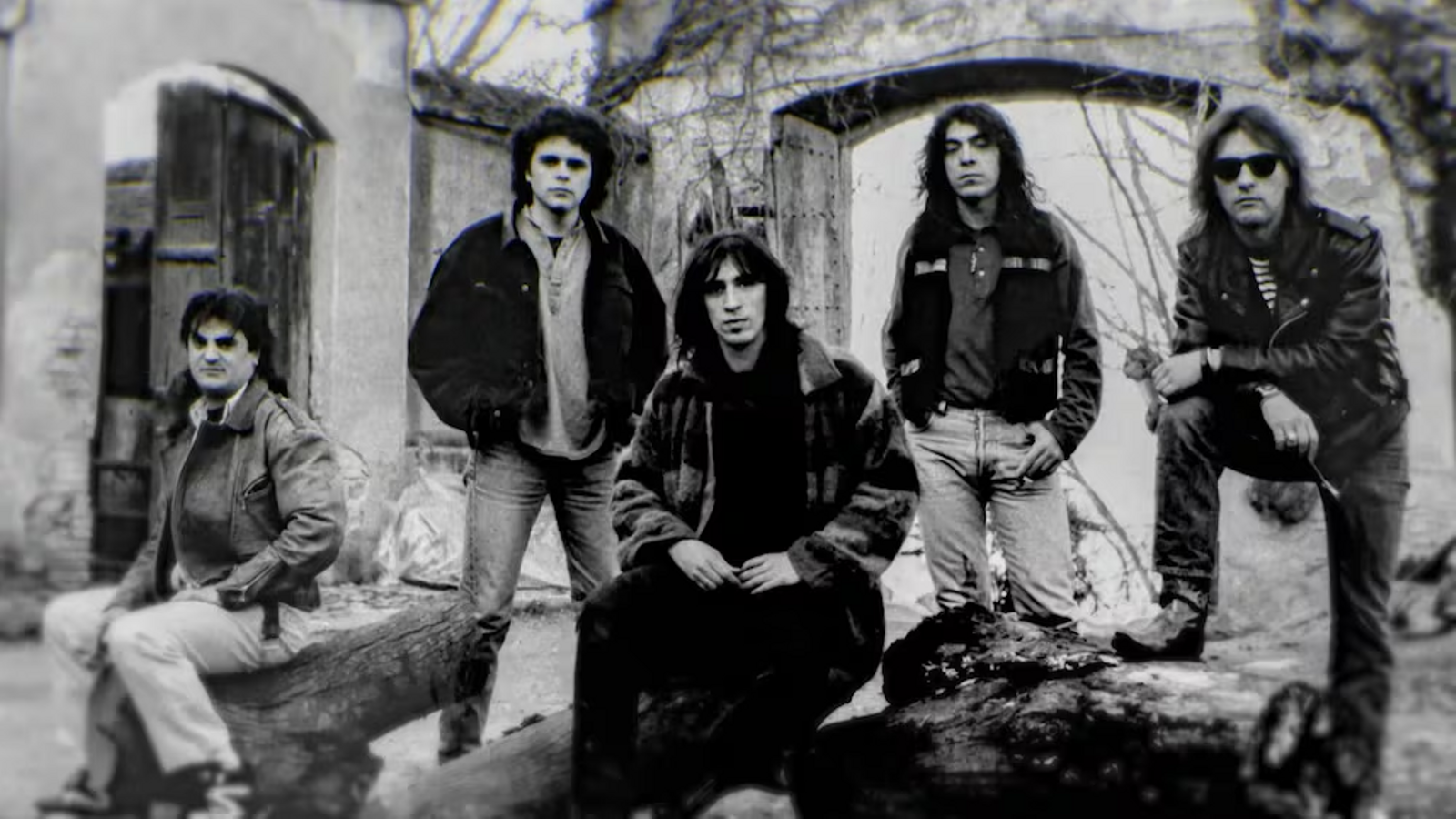
BarcelonaThis 2026, Sopa de Cabra celebrates four decades of trajectory with a commemorative tour and the premiere of the documentary Tornar enrere, directed by Jordi Call. The piece, aired this Tuesday on 3Cat's Sense ficció, highlights various aspects of the band's 40 years that had often remained in the background. For instance, the group members openly admit that they do not maintain a friendship outside the musical project. In fact, the documentary begins with an argument after a concert.
During the documentary, the members of the Girona group explain that, beyond rehearsals and concerts, their personal relationship is minimal. "We are not a group of friends," they summarize at different times. A confession that contrasts with the usual image of cohesion associated with a band with four decades of trajectory. Thus, coexistence has not been easy and, especially in the early years, discussions were frequent, they explain.
“And if we look for a singer?”
Beyond the tensions and frictions that have marked the group's trajectory practically from the beginning, the documentary also recounts the formation of Sopa de Cabra and how the band was configured. Josep Thió explains that the group was born from the dissolution of previous projects like Copacabana and Ninyin’s Mine Workers Union Band, from which several of its members came. Sopa de Cabra – a name inspired by the Rolling Stones album Goats head soup – was born in Girona in 1986.
"I suppose they thought of me because I also wrote." As Gerard Quintana recounts, his incorporation as a singer occurred because he was already known to some members. "One day we told Gerard to sing L’Empordà and he dared to do it. That's where Sopa de Cabra was formed," points out bassist Francesc Cuco Lisicic.
The 91 tour and the "Sopa de Venuts" controversy
The documentary also recovers controversial episodes beyond the group's internal dynamics, such as the 1991 tour, the most successful of their career but also one of the most controversial. At that time, public debate focused on the possibility that the band would incorporate Spanish into its repertoire, an issue that generated a strong reaction from the public.
Lisicic recalls a particularly tense episode from that period: "They threw a stone at me and I left the concert," he explains about a live performance marked by a hostile atmosphere. It also includes the critical nickname "Sopa de Venuts" (Soup of the Sold Out), used by some sectors of the public as an expression of rejection.
Josep Thió, composer and central figure of the group alongside Gerard Quintana, admits at one point in the documentary that he has received a diagnosis within the autism spectrum at 60 years old. In fact, he acknowledges episodes of emotional difficulty throughout his career: "There is a moment when the desired state is to sleep or not to live," he details. His bandmates, for their part, explain that the news did not particularly surprise them: "Things started to make sense to me," says Quintana.

The documentary received a good audience reception on Tuesday's prime time. According to data from Kantar Media, La Manchester's production gathered an average of 273,000 viewers and achieved a 17.6% market share. The piece combines archive images, current interviews, and scenes from the daily life of the 40th-anniversary tour, which the group began a few days ago at the Razzmatazz venue in Barcelona. Far from idealizing the band's trajectory, the documentary focuses on the complexities of sustaining a collective project for four decades, mainly through the musical bond.
