Really, can politics and sport not be mixed?
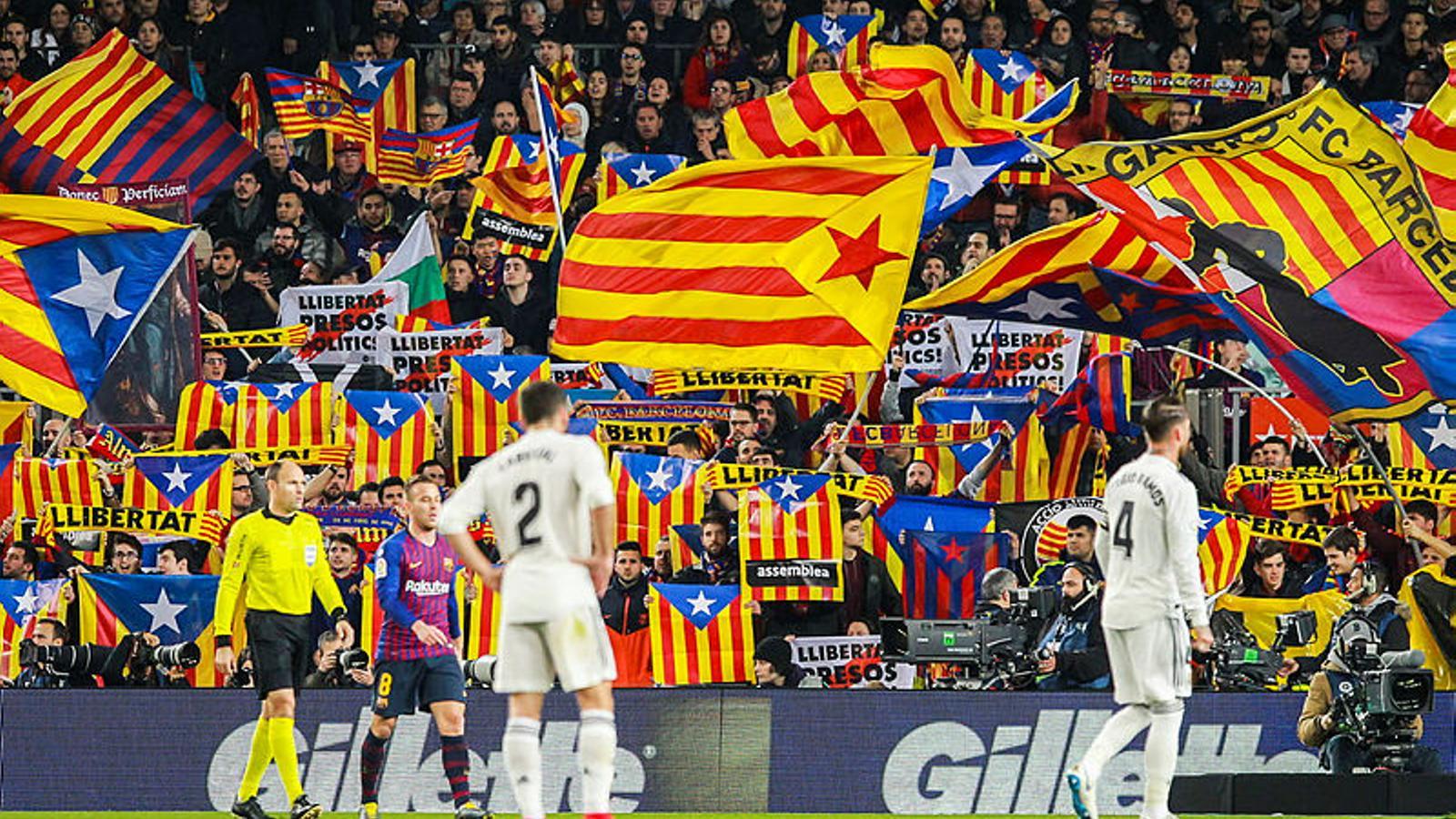

BarcelonaBarça's decision to suspend the tribute to the world champions has caused an earthquake on social media and a certain degree of discomfort in some Catalan press. Only this explains, for example, that this topic does not appear on the cover of the "Sport and be frankly hidden in the of World Sport. In programs like The Jugones beach bar, as was to be expected, they jumped on it and accused Joan Laporta of mixing politics and sport, of dividing Barcelonismo, and of positioning himself in favor of the independentists. And well, there are several reflections to be made here.
Politics and sport have always gone hand in hand. Specifically in the case of football, and specifically with the so-called national teams nationals, which are a powerful identity diffuser, especially through the media coverage they receive (which in turn yields them juicy economic benefits). The instrumentalization that Italian fascism made of the 1934 World Cup is well studied, as is that made by Videla's military regime in Argentina in 1978. In the case of clubs, history has led them to represent something more, as is the case with Barça, but also with Athletic Bilbao, Celtic Glasgow, and Rayo, and it is precisely this that makes them special. And, normally, clubs that present themselves as apolitical also have a discourse and values behind them. Or do they want us to believe that clubs like Real Madrid and Sevilla, which have incorporated the Spanish flag into their kits, are ideologically neutral? Nobody is. And this does not mean that all fans share these values.
Therefore, Laporta's decision is questionable, of course, but the mix of politics and sport would have been seen anyway with the tribute. And after the events in Elche, even more so. And above all, it was clear front-page news.
