The geopolitical challenge of a Trump punished at the polls
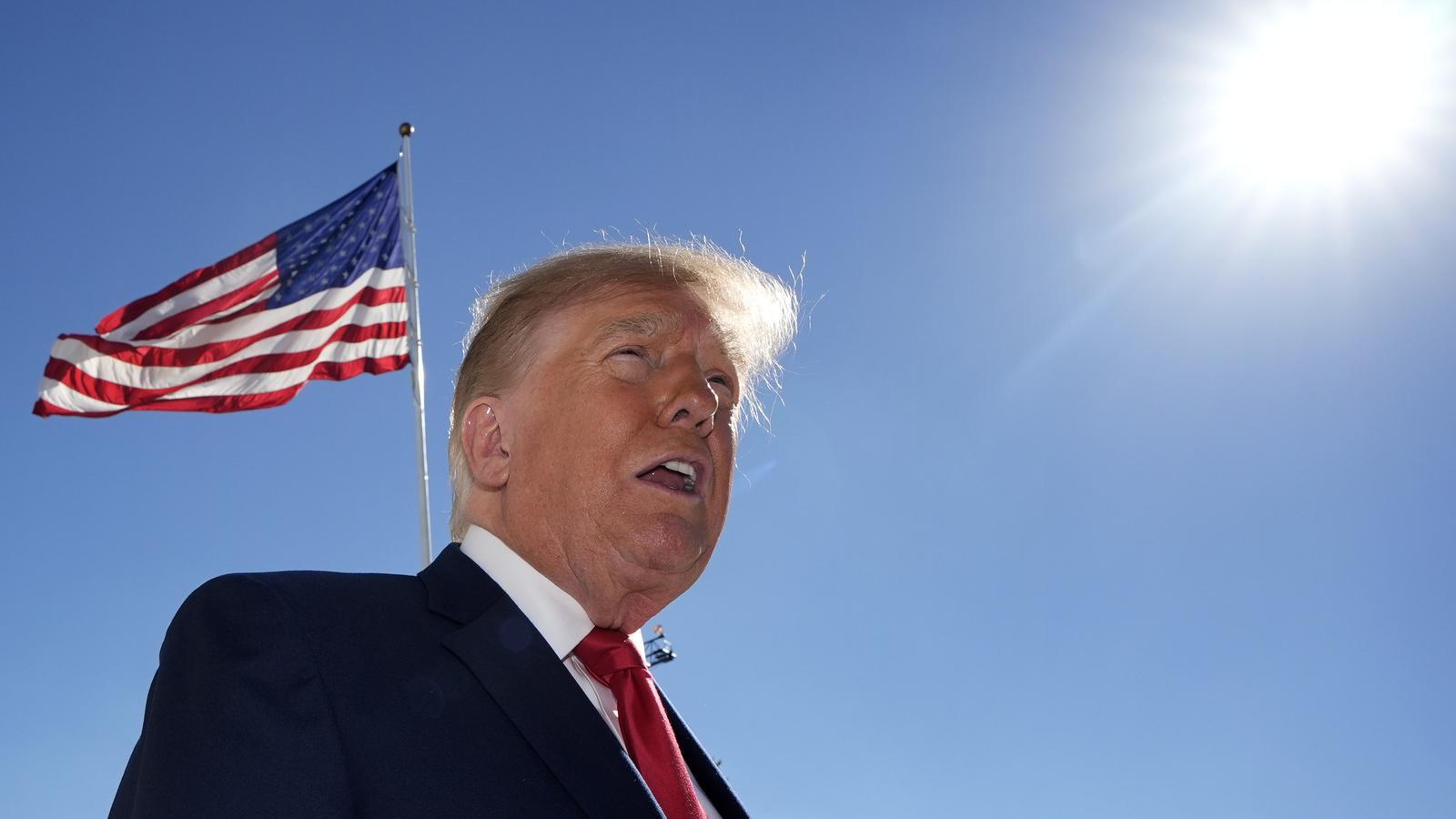

The world is waiting for elections that will be decided by the pockets of Americans. The price of gasoline and unaffordable electricity bills are today the thermometer of a discontent that will tip the next political majorities on Capitol Hill. Donald Trump has turned the midterm elections into a referendum. An examination of the costs of global volatility and the limits of presidential falsehood that masks the mess of his administration.
During the last year, the price of diesel has risen more than twice as much as that of gasoline, and the impact of this price hike is spreading throughout the American economy because the increase in business costs drives inflation in a long list of products. Meanwhile, the situation in the Strait of Hormuz remains extremely dangerous. More than 35 ships were attacked in October, more than in any other month since the start of the war, and the Tehran regime seems convinced that Israel and the United States are preparing to launch a third major attack on Iran in the coming months. For the moment, however, the war has already cost Americans more than 47 billion dollars, according to the Pentagon.
But, whatever happens in the midterm elections, it is likely that the foreign policy of the United States will not change much. Until now, Trump has already dedicated himself to almost completely ignoring the Republican majority in the chambers, and from Europe, there is fear that a Democrat-majority Congress, which puts a brake on the president in domestic policy, could further spur Trumpist unpredictability abroad. At these moments, the European balance swings between the fear of a wounded and electorally humiliated Trump, and the relief of a political rebalancing on Capitol Hill.
Trump is already well-versed in the use of presidential decrees and the disregard for the chambers: imposing tariffs, ordering the withdrawal of troops, weakening the historical alliances of the United States, closing trade agreements, and deploying military operations without going through Congress. An internally questioned Trump could try to consolidate his legacy from foreign policy. Brussels is already speculating on possible scenarios of the withdrawal of thousands more soldiers from European territory or a new onslaught against NATO. There are reasons for concern.
Ukraine is facing one of its most precarious moments since the beginning of the war. As winter approaches and Russia intensifies large-scale air attacks against Ukrainian cities, Kyiv has had to watch as Trump's United States reached agreements with Moscow to gain access to Russian hydrocarbons, and as a temporary disruption of Starlink satellites, Elon Musk's company, left them momentarily without vital communication infrastructure for Ukrainian military operations.
Trump's push to reach agreements with Vladimir Putin has intensified unrest in Ukraine and puts Europeans against the ropes, forced to decide on their own balances between defense investments, the impact of energy costs and inflation, and growing unrest that has brought protests to the streets in an increasingly significant part of European Union countries.
In a world that, since Trump's tariff war, has already bet on the diversification of alliances and the reduction of dependencies on an increasingly unreliable United States, the midterm elections will be, above all, the staging of where the country is heading: from the balance of power between the progressive and centrist sectors of the Democratic Party, with opposing visions of the role of the United States in the world, to the succession debate among the Republicans. But it remains to be seen to what extent one or the other could influence the great geopolitical game into which Trump may turn his final term. A great diplomatic horse-trading that could affect the immediate future of Iran, Ukraine, and even relations with China. A revisionist understanding between great powers, which some are tempted to compare to a Yalta 2.0, and which would pose a direct challenge to the middle powers that, as Mark Carney already warned in Davos, "if we are not at the table, we are on the menu". We are in a moment of global rupture in which Trump has become the great accelerator. The challenge of these midterms in international politics is to know who and how wants to put a brake on it.
