"Will you also die?": the keys to managing grief in childhood

-
CAT -
CAST
November and the holiday of All Saints' Day arrive, and for a few days we talk more about those who are no longer with us by bringing flowers to the cemetery, remembering grandparents, or telling old family stories. And while we do this, we try to manage our own emotions, and if there are children nearby, the question may arise: what do we do with children's grief?
Perhaps the first thing is to understand that children experience death in a somewhat different way than we do, from a more natural place. While we focus on the absence, on everything we have lived or everything we will no longer experience, they tend to be worried about much more immediate things: "Who will take me to school?", "And now what will happen?", "Where is he/she?", "Will he/she come back?", "Will you die too?"
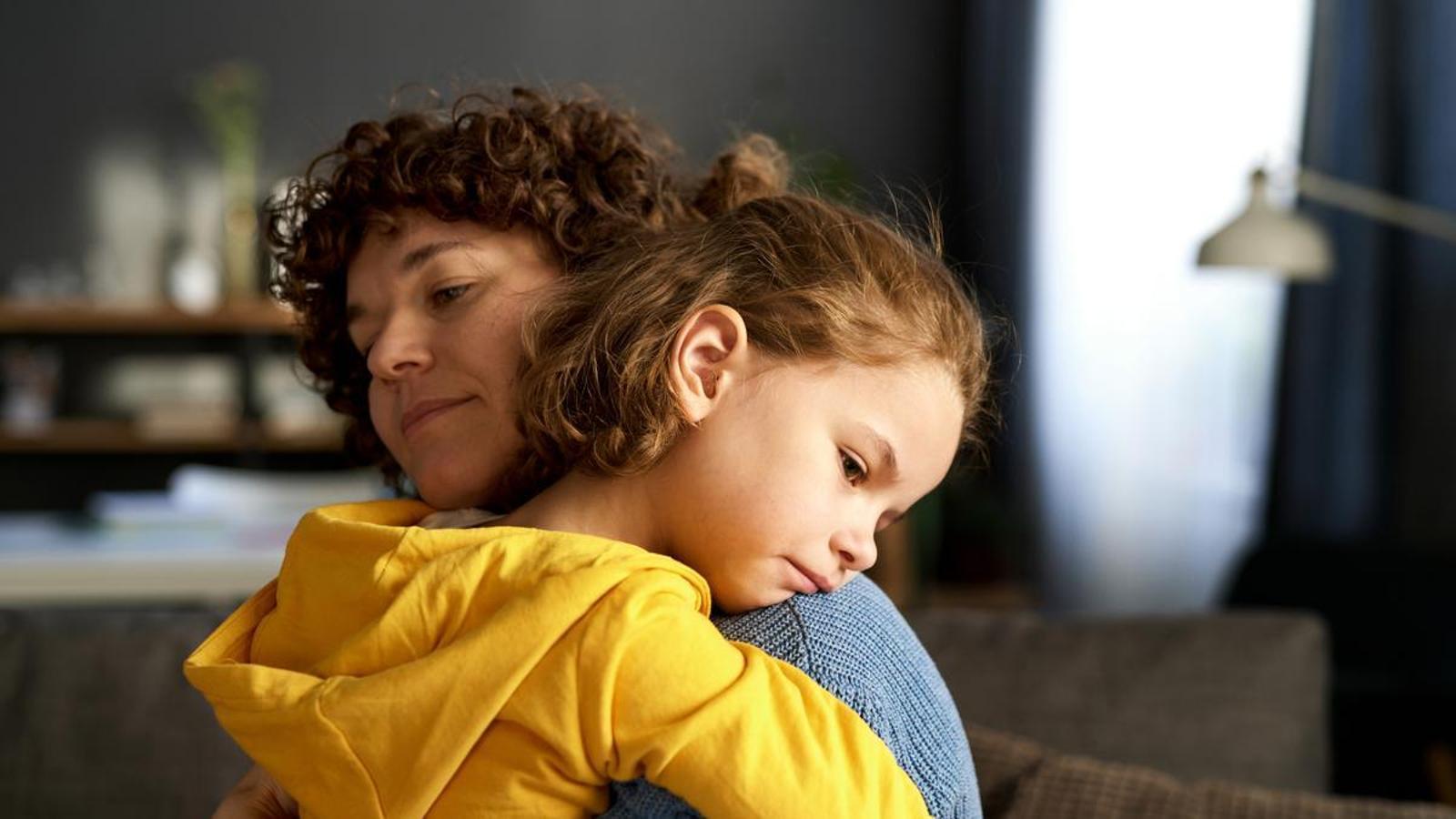
They need to understand what is changing in their world at that moment. And here we adults have a huge challenge, because our instinct is to protect them and spare them any suffering, and with all our good intentions we want to take them out of there by distracting them, making them do a thousand activities or buying them things. But in this way we are not helping them, nor do we help them when they ask us and we change the subject, nor when we hide our own pain so they do not see us suffer.
But it is not always necessary for us to turn away from pain; rather, it may be necessary for us to stay with it for a little while. And when a child loses someone they love, their sadness is theirs and belongs to them. I remember a 6-year-old girl who had lost her one-year-old baby brother, and for a year she had barely smiled. In the first days of the summer camp, I remember doing everything to make her happy and content; I wanted to distract her so she wouldn't suffer for even a second—not with her classmates, not with food, not with anything. I wanted to protect her to the ends of the earth because I felt she had already suffered enough. That was until I realized I had no right to do so; her pain was her own, and I had to be the first to accept that, and only then could I accompany her, support her, and help her navigate through it with honesty. Once I changed my perspective, she began to dare to ask those questions she had been hiding inside. The smiles arrived two weeks later.
As adults, perhaps we should ask ourselves: can we do it? Can we see the pain of our little ones without making it disappear?
Supporting grief means talking about death naturally, using words they can understand. It means answering their questions, even when we do not have all the answers, and allowing them to express what they feel in their own way, because many times they may cry and five minutes later start playing, ask about the person who has died and in the next moment ask for a snack, or seem sad today and not tomorrow. Their grief does not necessarily have to resemble ours.
And perhaps this time of year is a good opportunity to think about it and remember together those who are no longer here, without having to cover it up, and knowing that there are emotions that we do not have to fix, only learn to go through.

