The US and Iran return to the diplomatic starting point
Tehran denies the existence of direct talks with Washington, although it does negotiate with the Omanis

-
CAT -
CAST
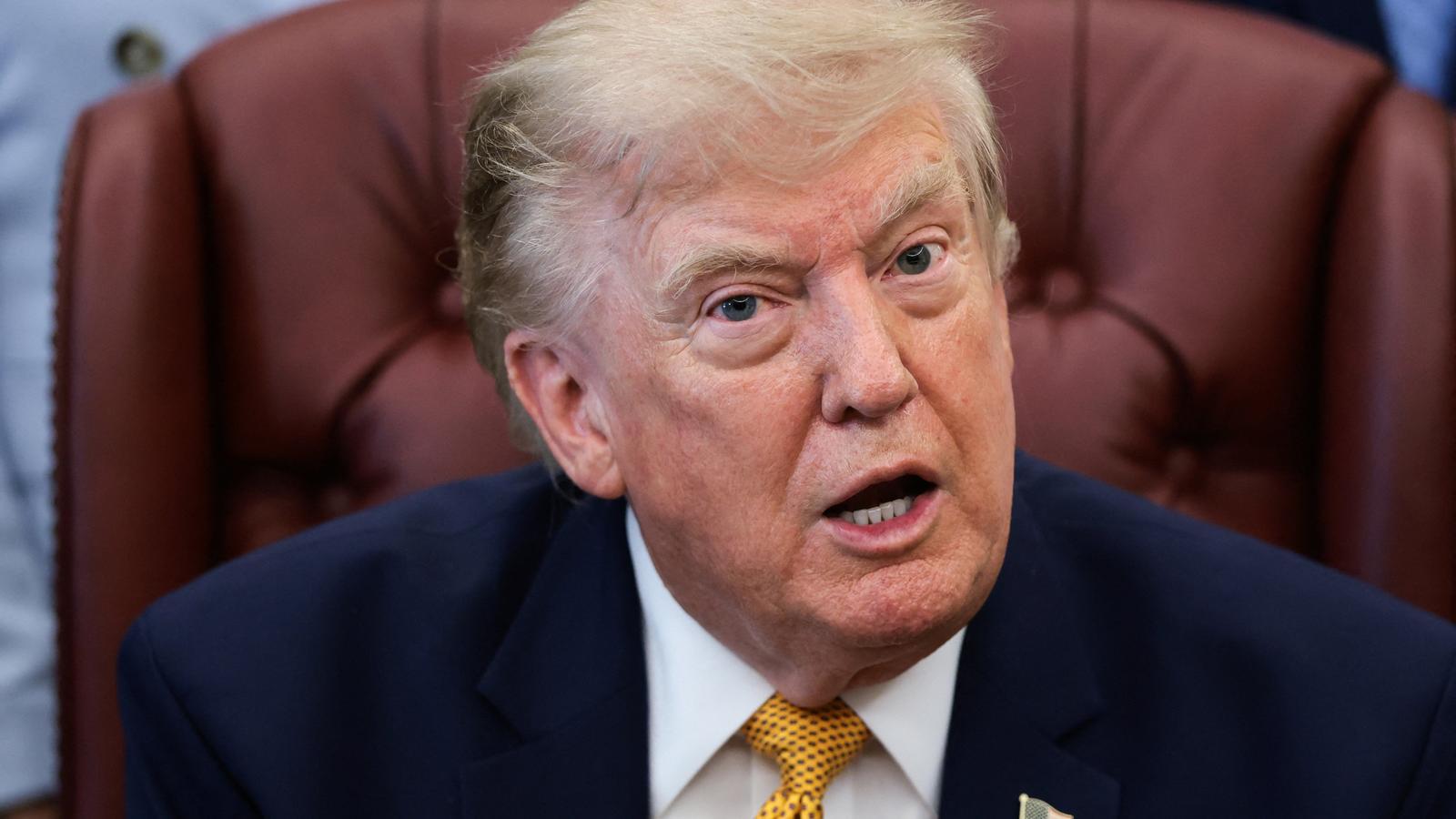
WashingtonIn Washington, the summer heat is unavoidable, but Donald Trump and the Iranian regime are once again repeating the loop of crossed statements from last spring. The only difference is that this back and forth is happening in a post-ceasefire scenario and where Tehran seems to have already gauged the US president. This Monday morning, the Iranian Foreign Minister, Esmaeil Baghaei, said that his country is not holding talks with the US, thus contradicting the announcement Trump had made on Sunday evening aboard Air Force One.
Without deviating from the expected script, the Republican returned hours later in a Truth Social post, accusing the Iranians of being "hypocrites" and assuring that they had requested a meeting. While oil prices are once again soaring due to the blockade of the Strait of Hormuz, Trump insisted that the maritime passage "is already completely controlled by the United States Navy." Later, in the Oval Office, the leader repeated again that "for some reason, when they are negotiating, [the Iranians] don't like to say they are negotiating. That's why I say we are talking."
The magnate answered journalists' questions within the framework of signing an executive order to create a commission focused on the families of fallen soldiers. The decree, which aims to improve housing and medical assistance services, comes at a time when the soldiers killed in Iran are beginning to weigh on Trump. The Pentagon has changed how it counts casualties, making it more difficult to compile a total balance since the war began at the end of February. Currently, at least 18 soldiers have lost their lives, although now, officially, the government only recognizes 14 as victims of Operation Epic Fury.
"This is the last chance for them [the Iranians] to sign a good deal," the leader insisted. Although on this occasion he has not accompanied the ultimatum with the usual threat of new attacks. The shift in tone seems to come from pressure from Gulf allies, especially Saudi Arabia, whose economic stability has been further compromised in recent days with the entry of the Houthis into the regional arena. With Hormuz closed, the monarchy was taking advantage of the exit they have through the Bab el-Mandeb strait, but the alternative has been compromised by the recent attacks by the Yemeni militia.
Pressure from Saudi Arabia
The same Trump acknowledged on Sunday from Air Force One that he had decided to suspend his threat to bomb Tehran again at the request of Gulf allies, including Saudi Prince Mohammed bin Salman, who had personally called him, according to reports. The US president suffers from the collateral pressure of rising oil prices and the electoral damage it causes, but the Gulf petrostates are the main victims of a conflict they did not start. However, Trump said on Monday that Hormuz could be open again "tomorrow." "You will find out tomorrow," he told reporters.
The entrenchment of the conflict has exposed the defensive vulnerabilities of the US in the region and has called into question the promise of stability with which they had been able to deploy their bases. Now, the presence of US soldiers is no longer a guarantee of security, but quite the opposite. The latest Iranian attack against US facilities in Jordan – where two soldiers died – has fueled new dissent within one of Washington's strategic allies, where there are increasingly more voices advocating for the withdrawal of US troops.
The Gulf allies also seek for Trump to lower the tension in order to continue negotiating with the Iranians. The part of truth about the tycoon's claims is that Iran did plan to meet with the Omanis this Monday to discuss the situation of the Strait of Hormuz, as confirmed by the Iranian Foreign Minister. Oman is the other territory bathed by the waters of the maritime passage, and the ayatollahs seem to only recognize Muscat as the other party with the right to control the ships that pass through it. In fact, the memorandum that Washington and Tehran signed in early June indicated as much.
