The result of the 'midterms' threatens Israel's umbilical cord
The Democratic majority that enters Congress can put pressure to reduce economic and military support to Tel Aviv

-
CAT -
CAST
BarcelonaSupport for the State of Israel, in the midst of the genocide in Gaza, has been one of the issues that weighed on the resounding defeat of Donald Trump and the Republican Party in Tuesday's elections in the United States. American public opinion has changed in these three years, and the defense of Israel is no longer a cross-party consensus policy within the bipartisan system. Democratic President Joe Biden, a staunch defender of Israel, had said and repeated that "if Israel did not exist, we would have to invent it," and the support of Trump's favorite son-in-law, Jared Kushner, for Israel and his investments in the Israeli military industry is well known. But on Tuesday, candidates critical of Benjamin Netanyahu's government and the Zionist project won in key states. And now, the Democratic majority in both chambers could cause the White House's support for Tel Aviv to change.
In fact, Trump himself, desperate in the face of the prospect of an electoral collapse, already announced on Monday that he would freeze the 4 billion dollars that Washington annually gives to Israel, the world's top recipient of US military and economic aid. It is hard to believe that Trump will keep this promise, or that he won't divert funds through other channels to Tel Aviv, but with the Democratic majority in Congress and the Senate, at least veteran senator Bernie Sanders will not be alone in criticizing this policy.
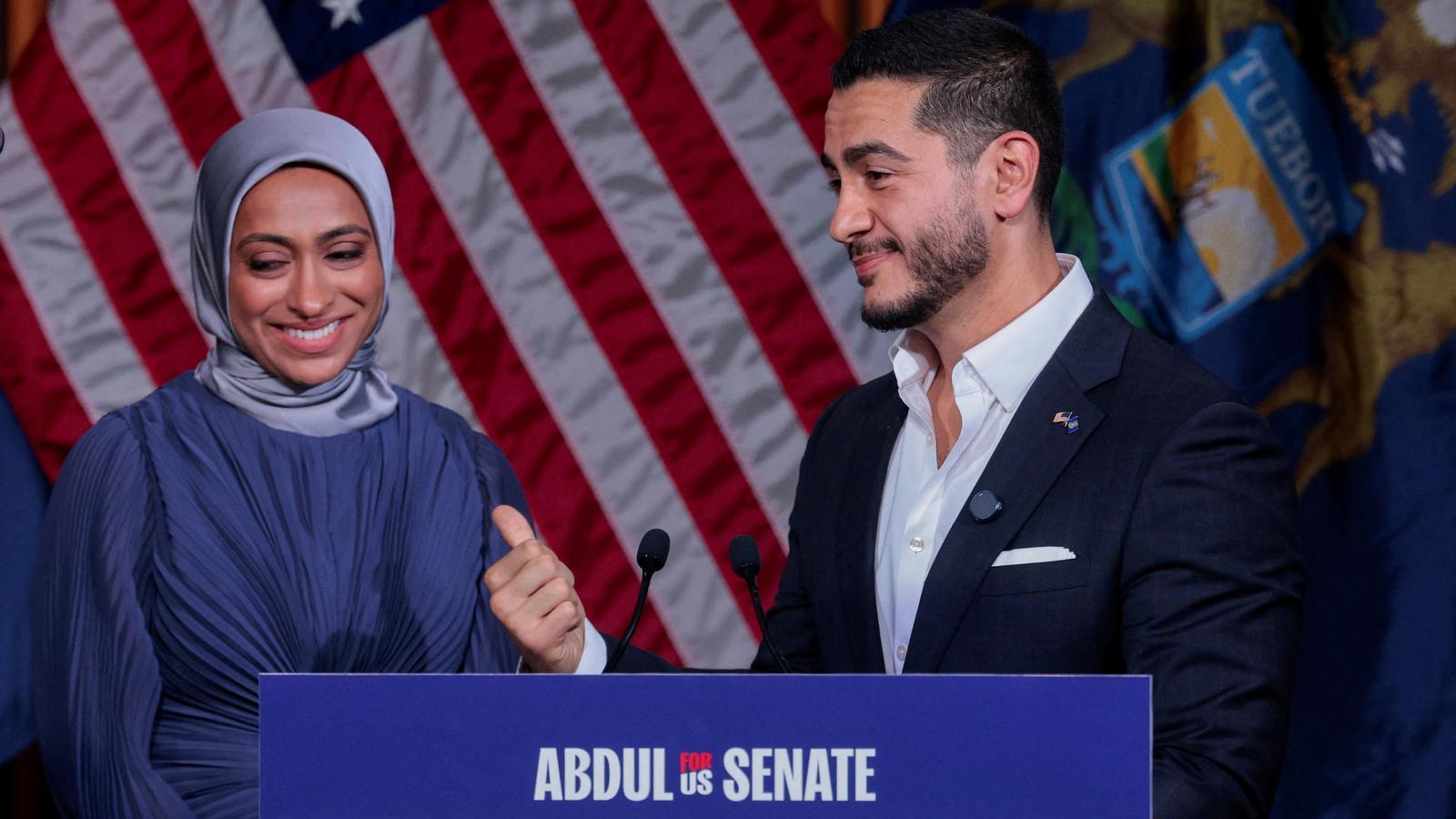
The most paradigmatic case is that of Abdul El-Sayed, senator-elect for Michigan who won despite the fact that the Israeli lobby, the American Israel Public Affairs Committee (AIPAC), invested 40 million dollars to try to prevent it. A doctor and son of Egyptian immigrants, and a firm advocate of public healthcare, he has called during the campaign for an end to American aid to Israel, a message that has connected with young and Muslim voters in a state where a significant minority of Arab origin lives. In fact, although it may seem surprising, El-Sayed will become the first Muslim senator in the history of the United States.

The novelty is that opposing Israel now yields electoral dividends in the United States, at least in some places. One of the most commented-on campaign videos published by a group supporting El-Sayed denounced military aid to Israel with a dialogue between a couple shopping at a supermarket: "You'll have to put the eggs back, because we need to save those seven dollars to murder Palestinians."
According to a poll published by Jewish Majority, a pro-Israel organization, 60% of Jews in Michigan also voted for El-Sayed. The fact is that within the United States – the country where the most Jews in the world live, even more than in Israel – Jewish voices critical of the Netanyahu government are becoming more and more vehement. In fact, the candidate also won in the Detroit suburbs, where more of the Jewish population lives.
Another thing that the Democrat-majority Congress could do is withdraw the diplomatic umbrella with which it protects the actions of its officials. As pointed out by Elisa Ewers, a researcher at the Council on Foreign Relations, "Democrats will push for significant limitations on military aid and will enforce U.S. legislation, and they could go even further, especially if Netanyahu's government and its policies continue." For the analyst, "in the best-case scenario, Democrats will propose strengthening diplomacy and defending United States interests in relation to Iran, Gaza, the West Bank, Lebanon, Syria, and other theaters, while trying to rebuild the foreign policy tools that the administration has dismantled." Ewers does not rule out the possibility that it all ends in a clash if Congress uses the budget approval process to impose restrictions on Middle East policy.
But on many of these issues, Democrats will have to secure the support of Republicans, even if minimal, because their control of Congress is not enough to overcome a presidential veto. "Trump could adopt an even more adventurous foreign policy, also in the Middle East, now that he faces real limitations in carrying out his domestic agenda. Congress will have to decide to what extent it wants to act decisively to recover its role in decisions regarding war and peace, after decades of yielding ground to the executive branch," the analyst warns.
