Who created the Oreos and the Chips Ahoy? The history of Nabisco
Now they are in the hands of the Mondelez group, which in 2025 invoiced 1,116 million euros in Spain alone

Let's place ourselves in Chicago, in the United States, in 1890. Adolphus Williamson Green, a 47-year-old man born in Boston and educated at Harvard University, runs a law firm. A group of biscuit manufacturers knocks on his door: they want him to advise them on merging their businesses. Green, who until then had had no connection with the biscuit industry, dives into studying the sector in depth and, suddenly, detects a great business opportunity.
At that time, practically all North American cities had one or two biscuit manufacturers that distributed their products in horse-drawn carts. In grocery stores, biscuits were sold in bulk, in barrels or wooden boxes, and often ended up going soft due to humidity. However, Green realized that, with the expansion of the railroad and the rise of advertising, there was room to grow the business on a national scale. What if, instead of selling the biscuits in bulk, they were marketed in small packages that kept them crispy and allowed them to be sold across the country under a single brand?
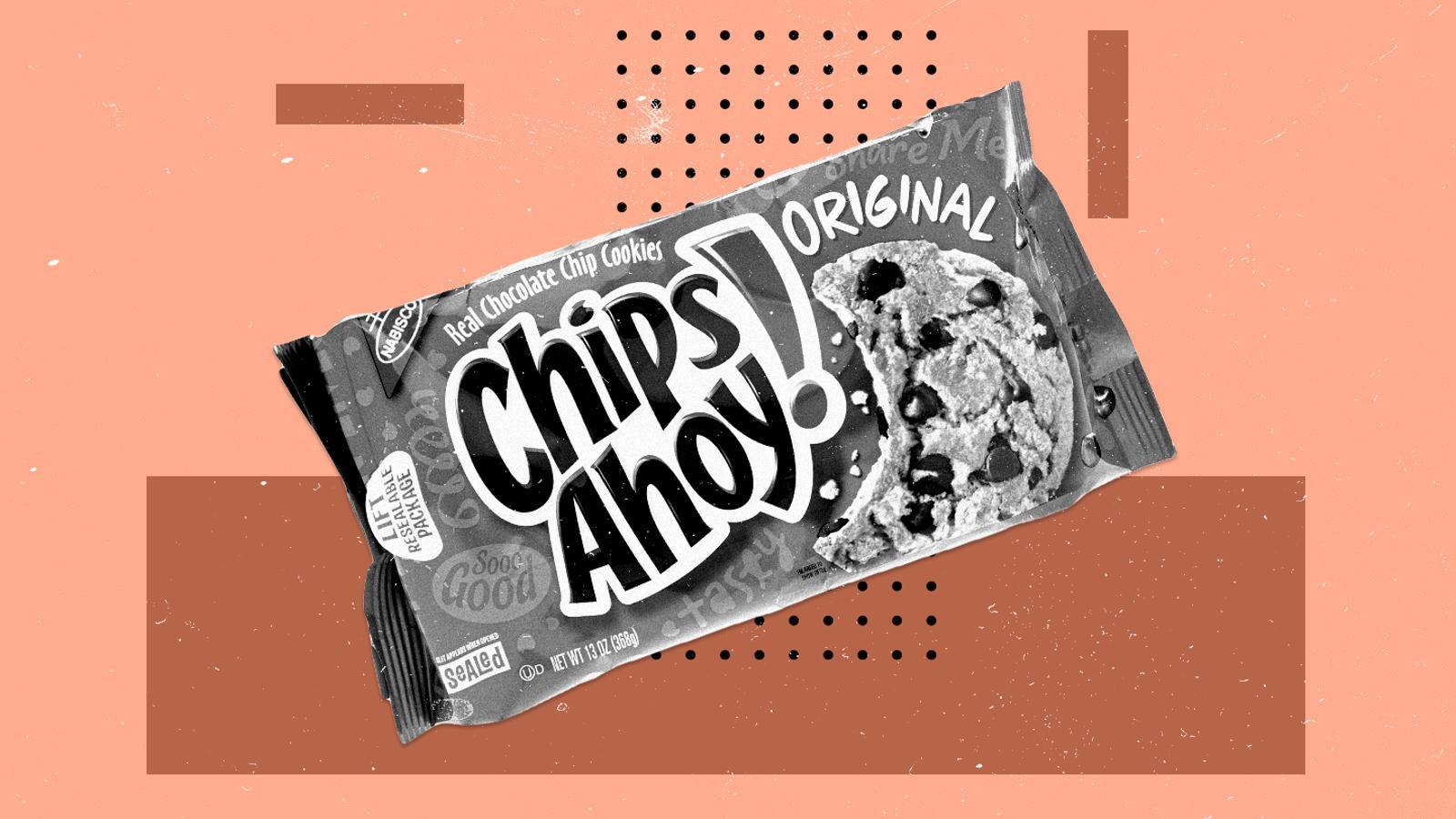
From that idea, Nabisco eventually emerged, a cookie empire that throughout the 20th century launched well-known brands such as Oreo, Chips Ahoy!, or Ritz onto the market. Today, all three are part of the American multinational Mondelez International, which also owns brands such as Milka, Philadelphia, or Fontaneda. In Spain alone, the group had a turnover of 1.116 billion euros in 2025. But how did that Chicago lawyer manage to become one of the great entrepreneurs of the American food industry?
From Uneeda to Oreo
In 1890, Green managed to group together about forty biscuit manufacturers from thirteen American states under the umbrella of a single company. In parallel, another lawyer from Chicago, William H. Moore, had carried out a similar operation with several manufacturers on the East Coast. After years of price wars, in 1898 the two companies merged and incorporated a third biscuit group into the business. Thus was born the National Biscuit Company – hence the name Nabisco – which suddenly went on to control more than half of the American biscuit market, with 114 factories and more than 400 ovens.
Green developed a package that protected the cookies from humidity and launched the Uneeda Biscuit on the market, which were sold in five-cent packages. To promote them, he filled the country with advertisements starring a boy dressed in a yellow raincoat. By 1900, he was already selling ten million packages a month. In 1912, he launched the Oreos, curiously inspired by some cookies that a competitor manufacturer had brought to market four years earlier: the Hydrox.
The modernization of the cookie giant
Green died in 1917, but the company continued to expand its catalog. In 1934, in the midst of the Great Depression, it launched Ritz crackers, which three years later were already being manufactured at a rate of 29 million units per day. After World War II, Nabisco modernized its factories and accelerated international expansion, especially in Europe. In the sixties, it created Chips Ahoy! and by 1972 it was already invoicing 1 billion dollars annually.
From the eighties onwards, however, the company went through several changes of ownership. In 1981 it merged with the food group Standard Brands and, four years later, the tobacco company R.J. Reynolds bought it for 4.9 billion dollars to diversify the business beyond tobacco. In 1988 the group was the subject of the largest leveraged buyout in American history at that time: the investment firm KKR acquired it for 24.9 billion dollars.
However, the operation left the company heavily in debt and, in 1999, KKR ended up disposing of it at a loss. Only a year later, and once the tobacco business was separated, Nabisco once again sparked the interest of a tobacco company, in this case Philip Morris, which paid 14.9 billion dollars to acquire it and integrate it into Kraft Foods. Since 2012, following the split of the latter, its brands have been part of Mondelez International. In Spain, the company Nabisco Iberia was dissolved in 2010.
