The maneuver that could expel Netanyahu from politics

-
CAT -
CAST
With the results of the parliamentary elections in Israel on the table, some possible scenarios are opening up, although caution must accompany speculation, because they are very diverse scenarios and can easily go in one direction or the other. The only thing clear in principle is that Benjamin Netanyahu has lost the majority in Parliament, largely due to the high number of seats obtained by the Arab parties.
It is most likely that Gadi Eisenkot, leader of Yashar, the second most voted party after Likud, will try to form a government. In any case, we cannot rule out that other opposition leaders, such as Naftali Bennett or Avigdor Lieberman, will also propose themselves for prime minister, as they have suggested during the campaign. This could create strong tensions within the ranks of the opposition.
Lieberman and other opposition leaders have said that in no case will they allow the Arab parties to enter the government. If they keep their word, we will head towards a repeat of the elections. There is the possibility that the Arab parties might support an arithmetically minority government from the outside, but it would be a very unstable situation that would by no means last the four years of the legislature.
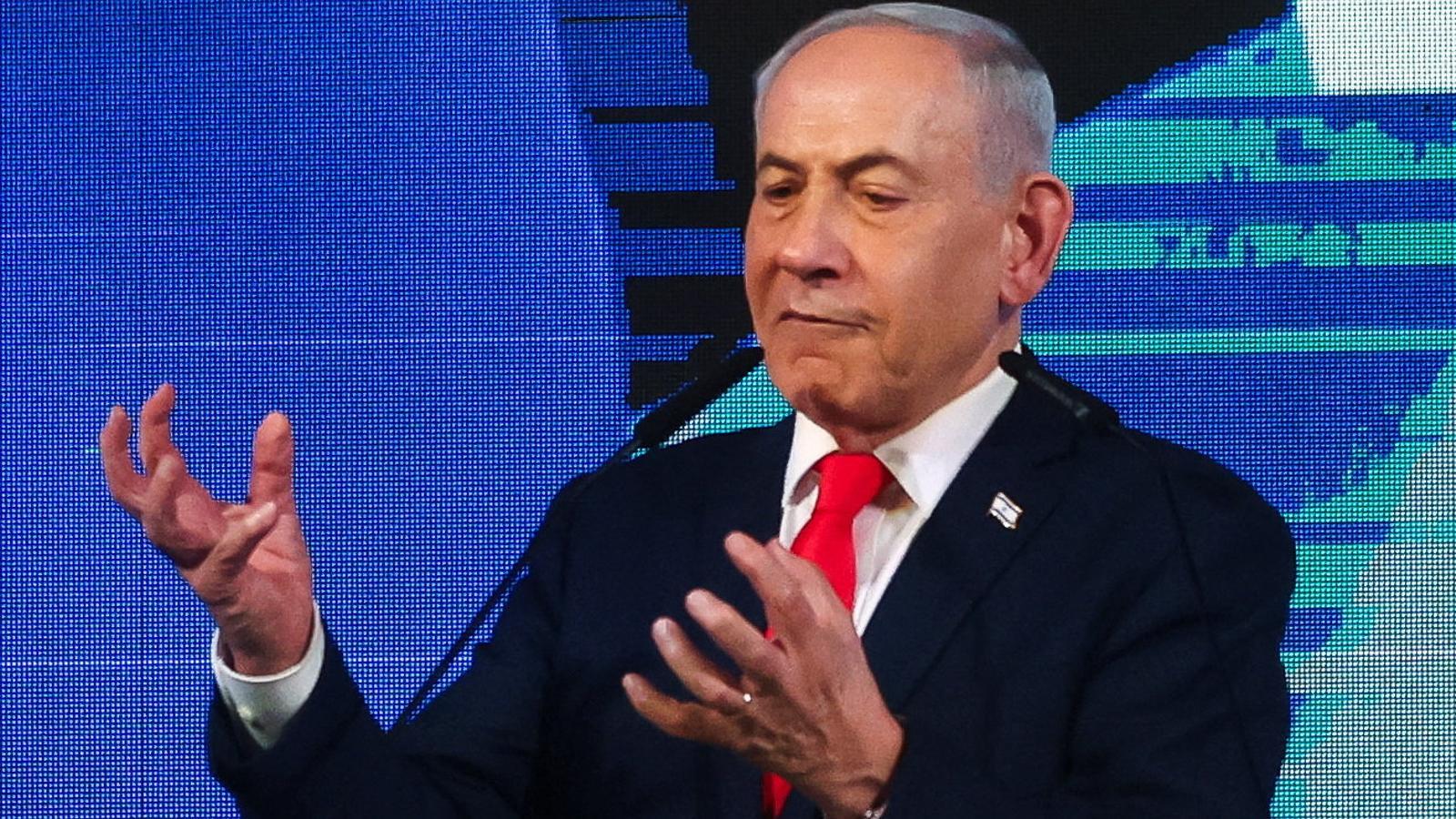
A speculation that has been circulating in Israel over the last few weeks would be the following. First of all, the Knesset would be constituted. The Zionist opposition together with the Arab parties would change the Speaker of the Parliament, who is now Amir Ohana, from Likud, and would choose another one from among their ranks. Next, the Knesset would pass a law that would prevent a politician accused in court (Netanyahu) from being prime minister. And then Parliament would be dissolved and new elections would be called.
This maneuver would remove Netanyahu from Israeli politics permanently. But it is not certain that it can be done, because it would need the approval of the Supreme Court. The weak point of the maneuver is that the new law would be directed against a specific person, Benjamin Netanyahu, and therefore the Supreme Court would reject it, as some jurists have pointed out.
If this maneuver does not succeed, immediate elections would be called, in which Netanyahu could run. The current prime minister has once again revealed himself as a first-rate political animal, and he will fight with all his might to continue leading the country, and above all to change its identity in the direction of creating an even more Zionist Israel with institutions closer to the right and the far right.
The birth of a new country
Taking into account the election results, it will be necessary to wait days, weeks or even months to see how the crisis evolves, without forgetting that we are facing a deep shake-up from which a new country is emerging that is more conservative, more Zionist and more religious than the one we know. Although Israel does not have a Constitution for obvious reasons, it can be said that the country's crisis is fully constitutional, and all the signs point to the fact that we are witnessing the birth of a new country.
The fight that Netanyahu has maintained in recent years against the state created in 1948 by socialist visionaries and its institutions will continue. Even if he is forced to leave political life, his ideas will probably not disappear, because a considerable part of the Israeli population accepts them.

