Banks, athletes and ex-combatants: new EU offensive to bleed Moscow dry
NATO considers “unacceptable” the Russian idea of returning to the 1997 borders
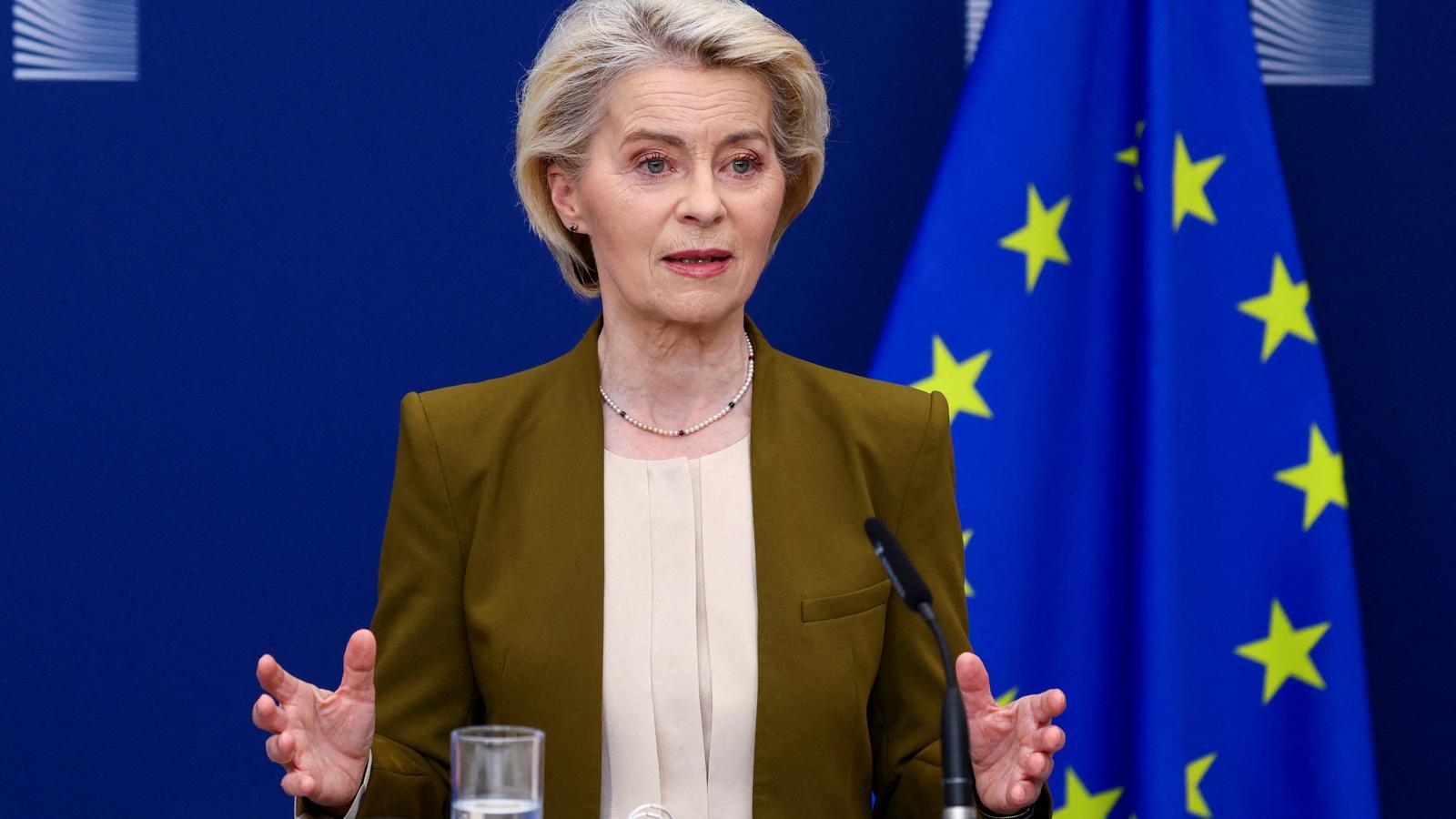

BrusselsThe European Union is tightening the noose on Russia. Ursula von der Leyen's executive presented its proposal this Monday for the 22nd package of sanctions against Moscow, which attacks financial institutions and cryptocurrency platforms, and proposes prohibiting European citizens from holding positions in Russian companies, in addition to materializing the veto of Russian ex-combatants on European territory.
After the most convulsive summer with Moscow's hybrid war and while the Kremlin expands its demands at the negotiating table, Brussels wants to increase pressure against Vladimir Putin's regime. "We will continue to propose new sanctions until Russia demonstrates a genuine willingness to achieve a lasting peace," the president of the European Commission claimed in a message to the press.
The new battery of sanctions focuses on three fronts. In the economic sphere, it expands the ban on transactions to sixty Russian banks, tightens control over crypto-asset platforms, and launches a working group to develop further sanctions on cryptocurrencies. Regarding the energy sector, it expands the prohibition so that no European company can help Russia "to build, operate, or repair its energy infrastructure," especially refineries. And finally, it adds the prohibition that European citizens may hold positions in the governing bodies of Russian companies. "There can be no normalcy in our economic relations with Russia," insisted the president of the European Commission.
In addition, Brussels is taking another step to activate the veto of ex-combatants on the bloc's territory, for which it had already proposed the legal basis in June, with the twenty-first package of sanctions. With the guidelines adopted today, it prohibits entry to the EU for any person (Russian or of another nationality) who "serves or has served in the Russian armed forces or associated armed groups since February 24, 2022, and has participated in combat operations in Russia's war of aggression in Ukraine." "Russian ex-combatants represent a risk to Europe's security. They cannot be allowed to move freely through our countries," the German leader warned.
The guidelines are accompanied by more restrictions for tourist visas for Russian citizens and also for athletes representing the country in sports competitions. “Russian citizens continue to pose a high risk to the security of the European Union, including hybrid threats, disinformation, acts of sabotage and espionage, and other hostile activities,” Brussels acknowledges. For this reason, it urges member states to stop recognizing non-biometric Russian passports and to include interviews and fingerprint verification in entry controls. European leaders must now approve the proposal unanimously in the EU Council before the sanctions enter into force.
Demands from the Kremlin
The expansionist ideas of Putin that have led to European sanctions have also been echoed by NATO Secretary General Mark Rutte. In an appearance from Berlin alongside the German Chancellor, he branded as “unacceptable” the Kremlin's suggestions that the Atlantic Alliance could withdraw from Eastern European countries and return to the 1997 borders, as a condition for a peace plan in Ukraine.
The Russian president has used the negotiations to put back on the table his demands regarding the east of the continent. Under the claim of redrawing the European security architecture, Moscow seeks to reduce the allied military presence and limit its cooperation with third parties, including Ukraine. Regarding a possible accession of Kyiv to NATO, however, Rutte remained evasive and passed the ball to the member states, to whom it “falls to make the decisions”. But Friedrich Merz picked up the gauntlet and acknowledged that “it was a mistake not to support the United States' proposal for Ukraine to join NATO in 2008”. Thus, he asserted that if Ukraine had become a NATO member, “this war probably could have been avoided”.
Finally, Rutte responded to reports suggesting that Russia is preparing to launch a nuclear satellite into space, assuring that the alliance is “evaluating” the situation. But he wanted to send a message of firmness: “I can assure you that we will always ensure we defend every inch of NATO territory. And that includes ensuring that we are secure regarding the space element,” he stated.
