The groups despised by Trump that arrive for the first time to power
A Muslim and an openly homosexual man will sit in the Senate, and a black woman and one from the native peoples of America will be governors

-
CAT -
CAST
BarcelonaDuring his two years at the helm of the White House, Donald Trump has singled out and ridiculed socially marginalized and minority groups, both in the United States and around the world. In the campaign for the midterm elections, he went so far as to say that he would request the installation of a metal detector at the entrance to the Senate if, as has happened, the Muslim Abdul El-Sayed, Democratic candidate for Michigan, won the seat. In his crusade against immigration, he has insulted, dehumanized, and degraded the country's Latin American and African communities, and has repeatedly harassed trans people, who are especially singled out in the US and whom the president treats as sick in speeches marked by a prevailing misogyny.
The testosteronal rhetoric of the New York magnate has placed these groups in the crosshairs. Those singled out by the country's highest political authority have also sometimes been targeted by the judiciary, which in the last decade has approved regressions of rights such as the repeal of the right to abortion nationwide, enshrined since 1973 in the Constitution, or the overturning of the ban on conversion therapy for LGBTIQ minors. None of this has prevented, however, candidates from various groups singled out by Trump and the Supreme Court from managing to reach positions of power that had previously resisted them in these elections, despite the global background current suggesting that these candidates might be electorally unprofitable. Who are they and what have they achieved?
The most significant triumph, due to the rank of the position he will occupy and the moment of global targeting that the Islamic community is experiencing, takes place in Michigan. Abdul El-Sayed will be the first Muslim senator in US history. During the campaign he received the support of former president Barack Obama, he defended public healthcare and opposed the shipment of weapons to Israel. For this reason, the one who was his rival in the Democratic primaries, Haley Stevens, published a harsh letter against him a few days before the elections, which triggered the final clash in the tense relations they had maintained for some time. Stevens had received funding for her campaign from the American Israel Public Affairs Committee (AIPAC), the main Israeli lobby in the US.
But El-Sayed is not the only one who will make history in the Senate. Chris Pappas, Democratic candidate for New Hampshire, will be the first openly gay senator in US history. With all polls pointing to a Republican setback, Pappas, who despite not hiding his sexual orientation has always spoken about it relatively little, had it relatively easy. He had to keep the seat that the Democrats had already held in this state since 2008. In the electoral contest, the new Democratic candidate has achieved a vote percentage similar to that obtained by his predecessor, Jeanne Shaheen, in 2020.
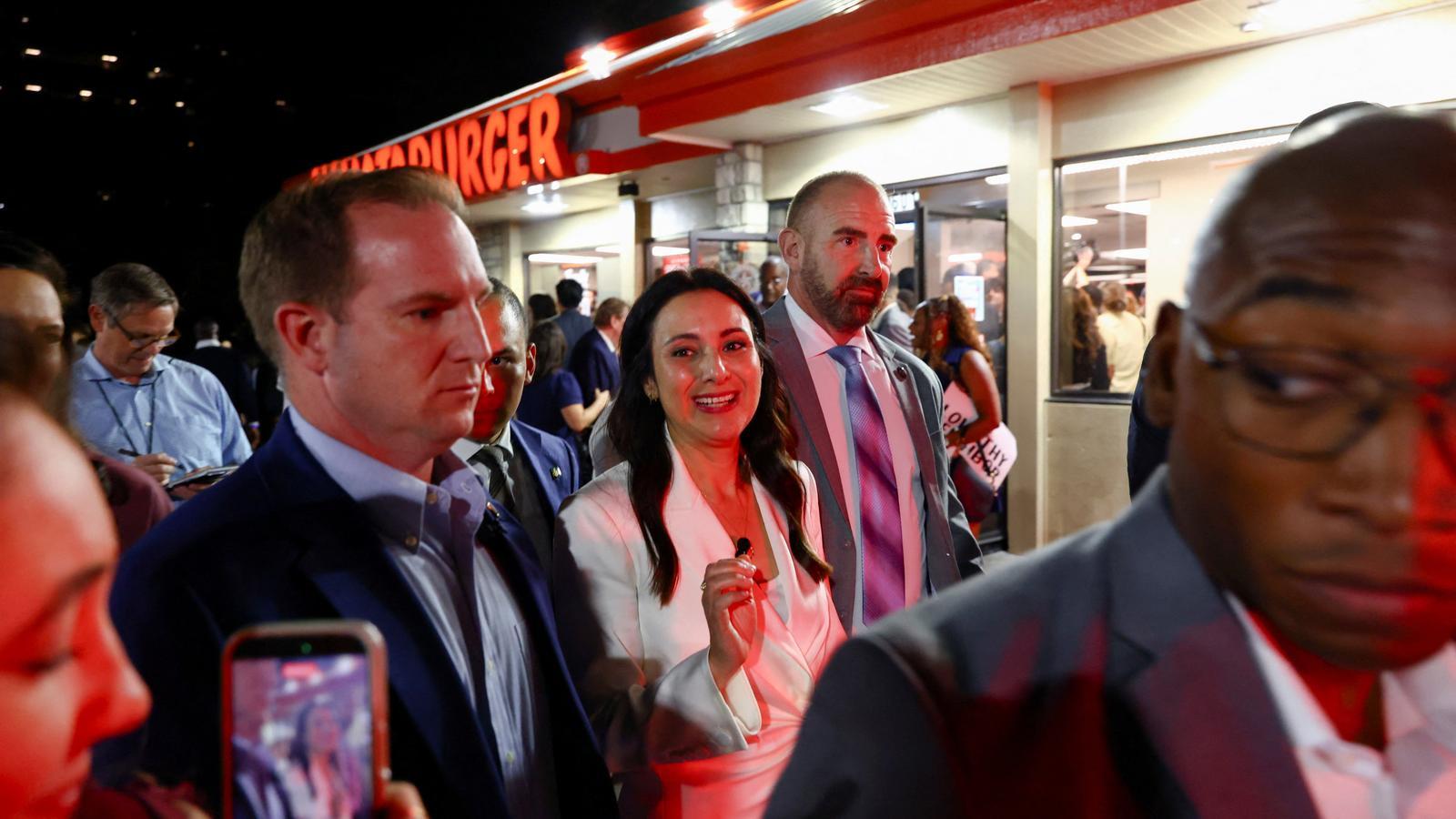
Beyond the Senate and the House of Representatives, in the midterm elections Americans were also choosing the governors of most states. The Democrats have wrested the governorship of five states from the Republicans, among which is Texas, a Republican bastion. Gina Hinojosa will be the first Latina governor to hold the position in this state. Also for the first time, but in this case on a national scale, an indigenous woman and a black woman will be governors of a state. Their names are Laguna Pueblo and Keisha Lance Bottoms, and from now on they will lead the states of New Mexico and Georgia, respectively. In Ohio, a woman will govern for the first time, Amy Acton, and California will have its first Latino governor since 1875, Xavier Becerra.
"We have returned to the basics"
However, few of the winning candidates have placed special emphasis on what their arrival to power could symbolically mean for certain groups. In line with the strategy of the Democratic Socialists of America (DSA) –the party of New York mayor Zohran Mamdani–, the candidates have placed economic issues at the center of their discourse. "In this campaign, we have not engaged in a culture war, we have returned to what is basic: working families," explains Gina Hinojosa in an interview with Politico. Without ideologically renouncing identity issues, the strategy of most Democratic candidates has involved focusing on the pockets of Americans, at a time when they are suffering especially due to rampant inflation in the country.
Despite these advances in representation, the action that both these elected officials and the Democrats as a whole will be able to take will encounter obstacles. The opposition to Trump now controls the legislative power, but the New York tycoon will remain in the presidency for two more years, and has already flaunted the right to veto that the law grants him, with which he can veto various measures approved by the Democratic majority in both chambers. In addition to the executive, the judicial power, with a conservative majority on the Supreme Court, will not facilitate social improvements either. But two years go by quickly, and various analysts point out that, unlike the first term, Trump this time will find it difficult to recover his popularity. There are 730 days left until the presidential elections.
