The EU's dilemma: Norway pushes for the ban on oil extraction in the Arctic to be lifted
Brussels revises its Arctic policy while Oslo defends the exploitation of new deposits as a guarantee of European energy security

-
CAT -
CAST
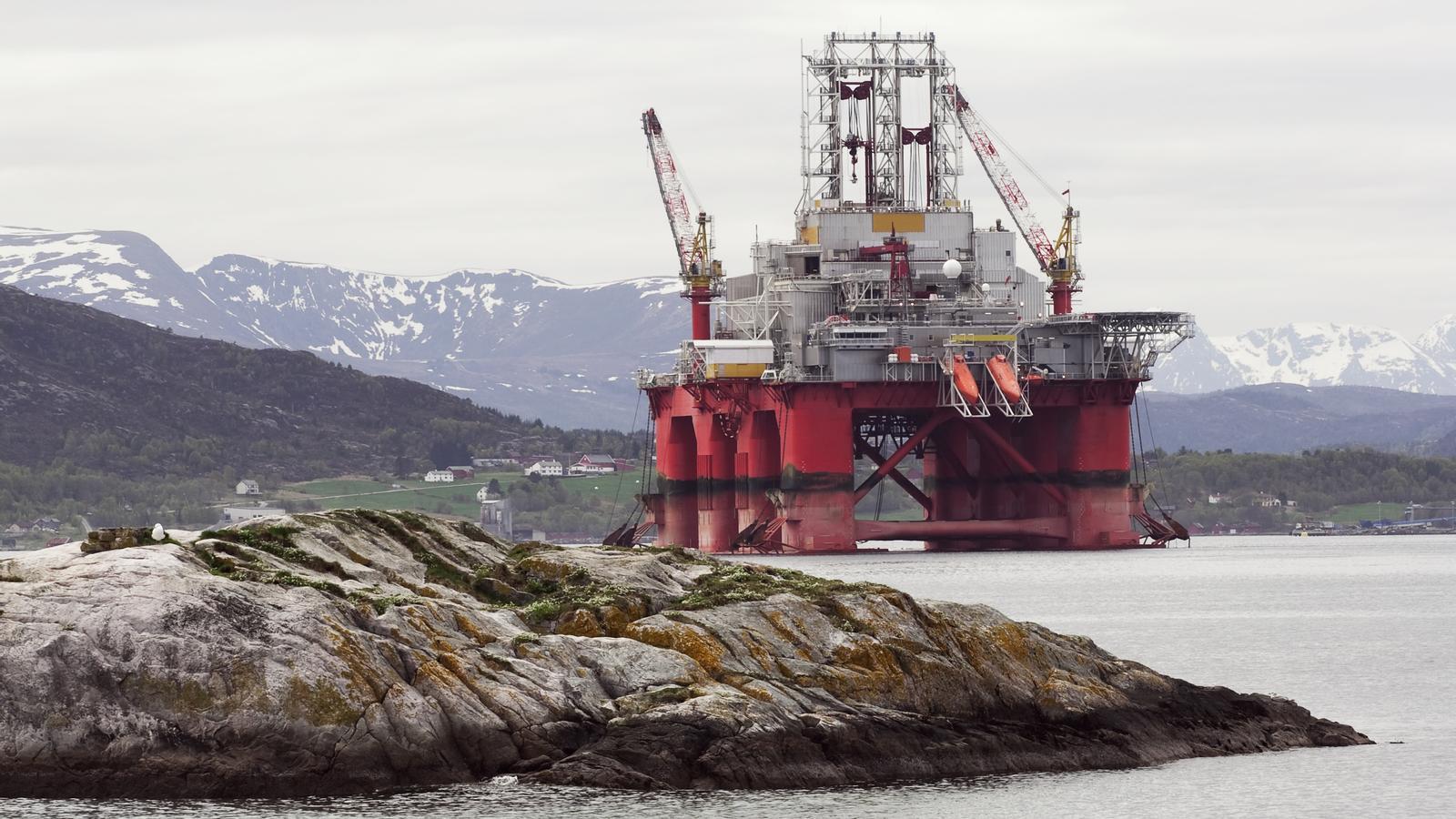
October 13, 2021, was an important day for the protection of the Arctic: the European Union signed the political commitment to curb the opening of new fossil fuel deposits in the region. Five years later, the EU is immersed in the process of reviewing the strategic lines of its Arctic policy, which will be presented at the end of September. This week, European leaders have met in Finland to discuss maritime transport, resources, and security in the region amidst growing pressure from the USA, China, and Russia.In this scenario, Norway estimates that two-thirds of its fossil resources that are still to be exploited are located in the Arctic. Given this, it is not surprising that in recent months Norwegian politicians and members of the oil industry have been visiting Brussels very frequently. The goal of the lobbyists is to pressure the EU to lift the moratorium that would allow for new oil and gas drilling above the Arctic Circle. All this despite the fact that Norway, which is not part of the EU, does not need any permit to exploit the Arctic, but its dependence on the European market means that the moratorium directly affects the economic interests of the Scandinavian country.“Norway is very active and knows how to make itself heard,” acknowledged the EU special envoy to the Arctic, Claude Veron-Reville, in an interview with Bloomberg. According to this newspaper, since 2011, 19 ministers of the Norwegian government have met with high-ranking EU officials with a folder on the table: that the EU should now look favorably upon the expansion of Norwegian oil activities located in the Barents Sea. In parallel, the Financial Times has also echoed an internal EU document that revealed that community partners were considering abandoning the moratorium on oil and gas activity in the Arctic.The main argument that Norway has defended is that “there are no climate reasons to treat oil and gas produced north or south of a certain line differently,” in the words of the Norwegian Foreign Minister, Espen Barth Eide. Faced with these explanations from the Labour politician, voices opposed to exploring new deposits in the Arctic warn that this territory is warming four times faster than the rest of the planet, and therefore the environmental damage would be enormous in a very vulnerable ecosystem.The other reason Norway puts forward has to do with the energy crises that have exposed the EU's vulnerabilities in the supply of fossil fuels. Since the start of the war in Ukraine, the EU has made great efforts to get rid of Russia as a supplier of gas and oil. Recently, the interruption of fossil fuel exports through the Strait of Hormuz has been added to this situation.Benefits for global instability
For now, Norway already contributes 30% of the EU's gas consumption, and 12% of the oil demand, but the state company Equinor and the Norwegian oil industry want to increase supply with the argument that the Nordic country is the most reliable and secure source of fossil resources for Europeans. The Ministry of Foreign Affairs itself has argued in a memorandum that Norway can help the EU achieve greater energy security. “Norway has significant untapped oil and gas resources,” says the document, which also warns: “Continued responsible exploration and production will allow Norway to continue being a reliable supplier for Europe, but restrictions on the production or import of Arctic oil and gas from Norway would undermine this role.”
However, oil and gas exports account for nearly 90% of Norway's total exports, and the revenue derived from this sector has not stopped growing since the imposition of sanctions on Russia. According to the financial group Nordea, between 2022 and 2023 the Scandinavian country obtained extra profits of 120 billion euros from the sale of oil to European partners. To this, at least 8 billion euros in extra profits derived from the closure of the Strait of Hormuz must be added, and the increase in the price of oil has led Norwegian energy companies to record historic gains on the Oslo Stock Exchange.Mobilization against prospecting
For the moment, the Norwegian government has announced the opening of 70 new exploration blocks with the goal of locating new fossil reserves, among others in the Barents Sea, where last year five new deposits were already discovered. What the Oslo government did not expect was such a forceful mobilization of 130 organizations, including think tanks, academics, and financial institutions like the powerful Nordea, who sent a letter to the European commissioners asking them not to allow the exploitation of fossil deposits in the Arctic.The letter argued “the fragility of the ecosystem in the face of gas and oil infrastructure” and stated with certainty: “An energy system based on internal renewables and large-scale electrification is much more resilient”. Furthermore, the letter also offers arguments against those who defend drilling in the Arctic as a necessary shield against Europe’s energy vulnerability: it says that “any new field approved today would not reach full production until around 2040”. For now, the European Commission is immersed in intense negotiations to finalize the Arctic strategy that must resolve the dilemma of whether the moratorium on gas and oil exploitation that Norway is pursuing should be lifted.

