French justice overturns the ban on social networks for minors under 15 years old
The Constitutional Council considers that the measure violates young people's freedom of expression because it is "disproportionate"
-
CAT -
CAST
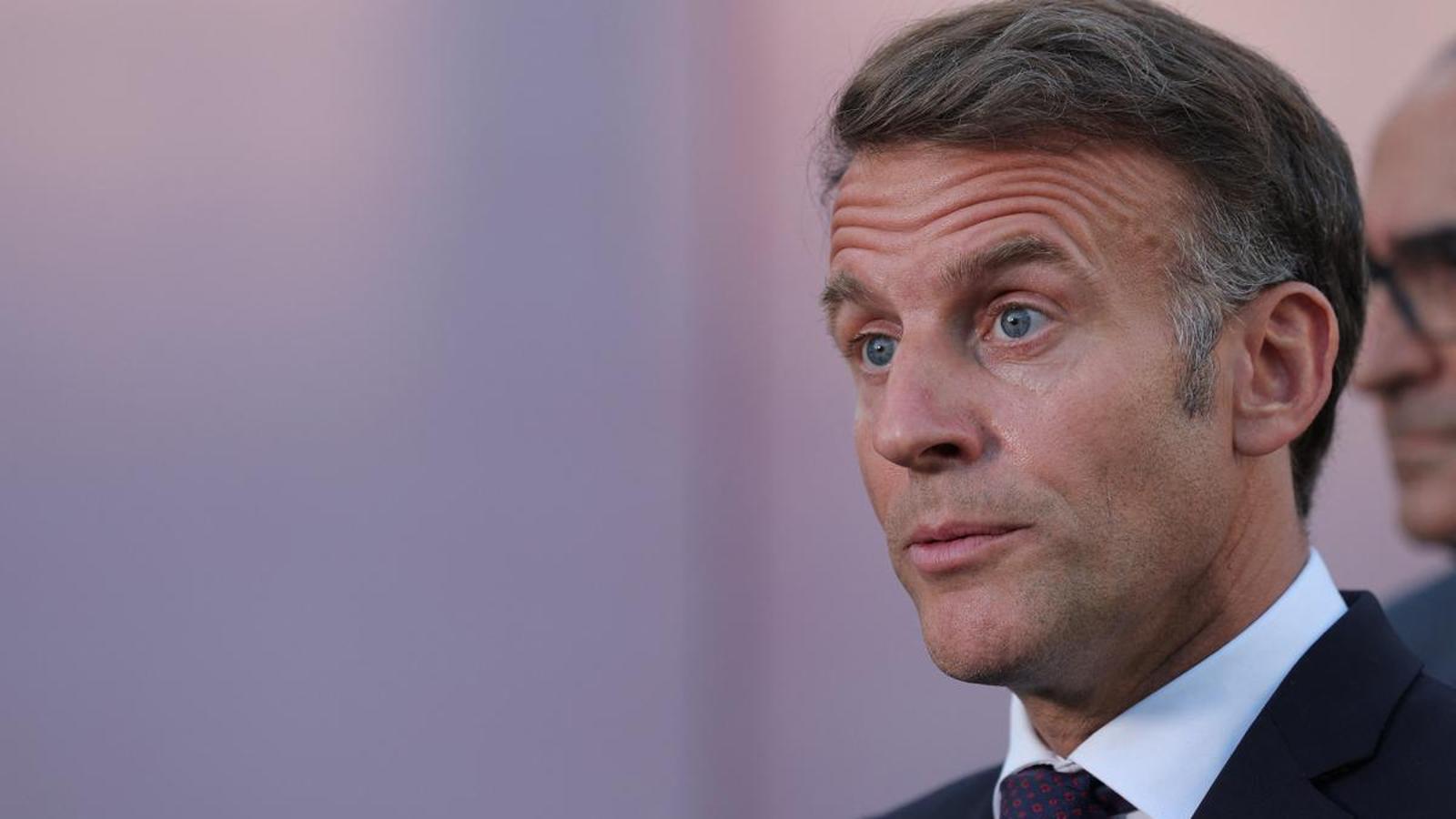
BarcelonaThe Constitutional Council of France has blocked President Emmanuel Macron's flagship bill that aimed to ban access to social networks for minors under 15 years of age. The body, responsible for ensuring the constitutionality of laws, has determined that the measure constitutes an "inadequate, unnecessary, and disproportionate infringement" on the freedom of expression and communication of young people.
France became the first European country to legislate in favor of restricting minors' access to digital platforms. In this regard, the court acknowledges the "constitutional requirement" to protect children, but qualifies that a total ban would affect online services with "undemonstrated risks to the health and safety of minors." Furthermore, the ruling criticizes that the law had been designed generically, without taking into account "the age, family situation, or level of maturity" of each minor.
The instance arises from a challenge to the first article of the law, which includes the ban on access to social networks for minors under 15 years of age despite parental authorization, filed by socialist deputies and the French radical left. Therefore, the court has only ruled on the constitutionality of this first article and has not addressed other aspects of the law, such as the prohibition of mobile phone use in schools starting from this new academic year, which remains in force.
The regulation, which was to come into effect on September 1st, was approved on July 21st by a vast majority in the National Assembly and the Senate. Its objective was to prevent minors under 15 years of age from using leading applications such as TikTok, X, or Instagram, as well as other essential communication and video services like WhatsApp, Messenger, and YouTube. During the drafting of the text, some legal experts had already warned of practical obstacles in applying the measure, as the approved text referred to "online platforms" without a concrete definition of what is understood as a social network.
The judicial setback is a blow to the Élysée's digital agenda. According to a statement from the French presidency, Emmanuel Macron has already ordered the Prime Minister, Sébastien Lecornu, to redraft the bill to correct the text and circumvent the objections and concerns ruled upon by the Constitutional Council.
A global issue
The Gallic proposal is part of a transnational movement that aims to combat the harmful effects, scientifically proven, of early overexposure to digital platforms. Macron justifies the ban by citing loneliness, school bullying, and the cognitive development that social networks can cause in adolescents.
Despite the intentions, critics warn that some procedures, such as those necessary to verify users' ages, may violate privacy, in addition to being sterile. Preliminary evaluations of the implementation of a restriction of this kind in Australia, the first country to restrict access to social networks for minors, reveal that the measure is ineffective.
The French leader intends to extend the initiative beyond French borders. Last April, the Gallic president led a summit, attended by senior European leaders, with the aim of establishing a coalition to build a majority to move forward in this direction". Countries such as Germany, Austria, Denmark, Greece, Ireland, the Netherlands, Poland, Portugal, Canada, and the United Kingdom are finalizing legislation to ensure this objective.
A group of experts consulted by the European Commission, which aims for a community action plan in this area, consider that the most delicate years for psychological development are between 10 and 13 years old. For this reason, Ursula von der Leyen announced that the EU would set the threshold at 13 years old, although member states will retain the ability to set it later. Pedro Sánchez announced in February that Spain plans to restrict access to social networks for those under 16 years of age.