Tehran responds to Washington's negotiation proposal while attacks in the Gulf continue
Trump says the response is "totally unacceptable" and Iran warns France and the United Kingdom over sending military ships to the region
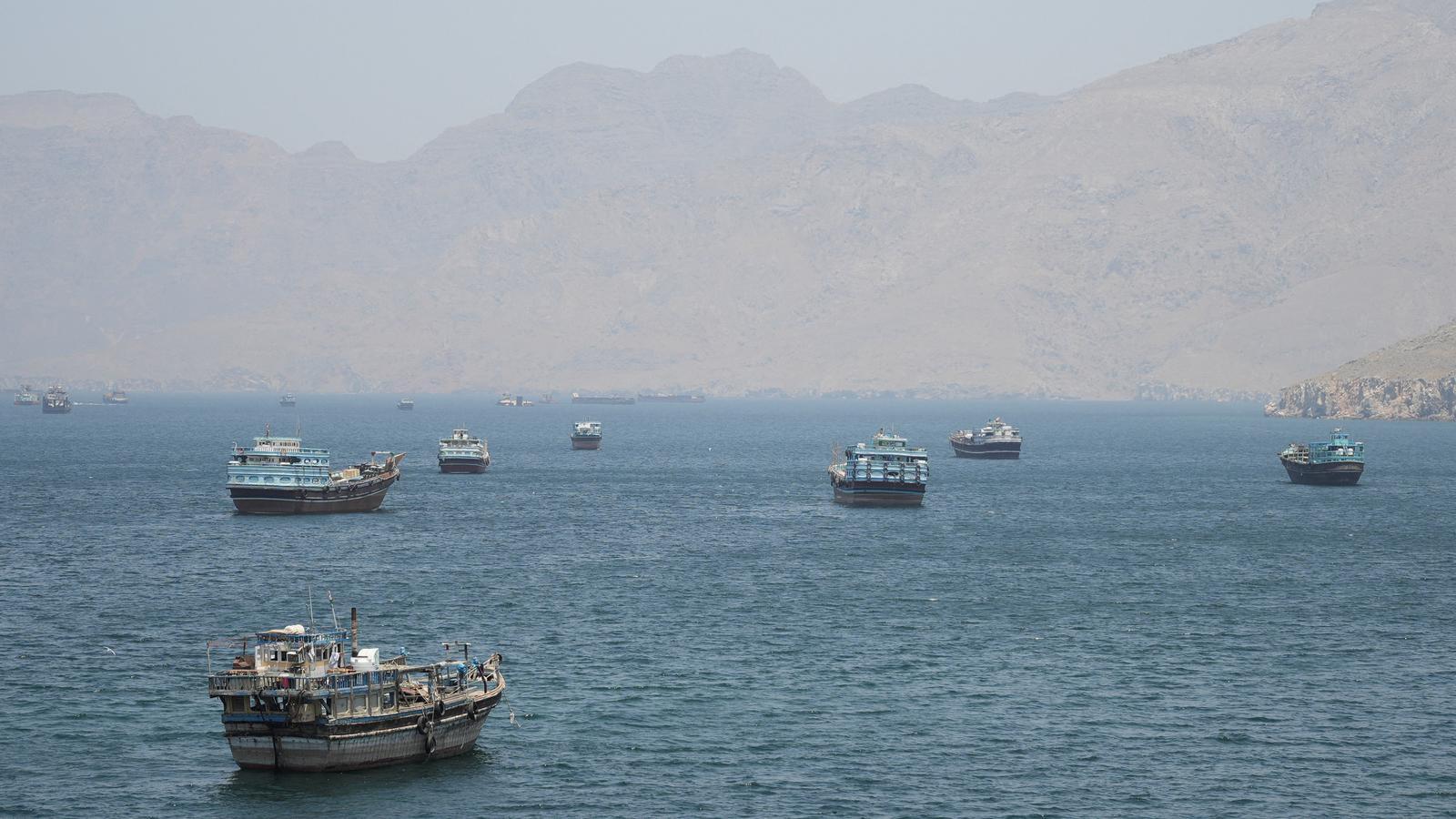
BarcelonaFor the first time since the start of the truce between the United States and Iran, Kuwait has denounced attacks on its territory this Sunday. The United Arab Emirates have also reported missiles heading towards the country, which have been intercepted by air defense systems, according to Dubai. These episodes add to the crossfire of recent days between Washington and Tehran, and cast further doubt on the truce in the Middle East. Meanwhile, developments on the diplomatic front are few and far between.
Iran responded this Sunday to the United States' proposal to end the conflict, and Donald Trump has already branded the Iranian reply as "totally unacceptable." On Friday, before leaving for the weekend to his Mar-a-Lago residence, Trump said he expected to receive a response from Iran on Saturday to the latest US proposal to end the war. However, there was no news throughout Saturday, and it was not until this Sunday that Iran sent a reply to Pakistan. For days now, the US president has been assuring that he is "about" to reach an agreement with Iran, but progress is slow and, at least publicly, positions are deadlocked.
For now, details about Tehran's opinion on Washington's proposal are scarce. It has been reported through Iranian media that the ayatollahs' response to Trump would emphasize ending the war, and would request guarantees that there will be no new attacks if an end to the armed conflict is agreed upon. Furthermore, Tehran is asking for an end to US economic sanctions. It also speaks of ending the war in Lebanon, where Israel launches daily missiles with deadly attacks despite another ceasefire that is also faltering.
One of Washington's main objectives in talks with Iran is for them to serve to limit the ayatollahs' nuclear program. So far, the White House has made it an indispensable requirement that this issue be addressed in negotiations, but Tehran wants to prioritize the resolution of the armed conflict to then, once this matter is resolved, focus on negotiations about enriched uranium.
Warning to France and the United Kingdom
The closure of the Strait of Hormuz has a large part of the world on edge due to the economic impact it has –and may still have– on the global economy. For this reason, France and the United Kingdom have been leading preparations for weeks for a mission that is to help facilitate the circulation of ships through this strategic point when tensions between the United States and Iran in the region allow.
Within the framework of this mission, this Saturday the United Kingdom announced that the destroyer Dragon of the British Royal Navy will head to the Middle East to "position itself before any future multinational mission", as detailed by a spokesperson for the British Ministry of Defence. Until now, the UK warship was in Cyprus, where it was defending the two British bases on the island after attacks during the early days of the armed conflict.
The move, which adds to the deployment of the French aircraft carrier Charles de Gaulle last Wednesday in the Red Sea, has put Iran on alert, which is playing one of its major cards in the conflict with its control of Hormuz. A control that, moreover, serves to gain power in the region. "In times of war as in peace, only the Islamic Republic of Iran can guarantee security in this strait and will not allow any country to interfere in these matters," warned the Iranian Deputy Foreign Minister, Kazem Garibabadi.

